
Plants
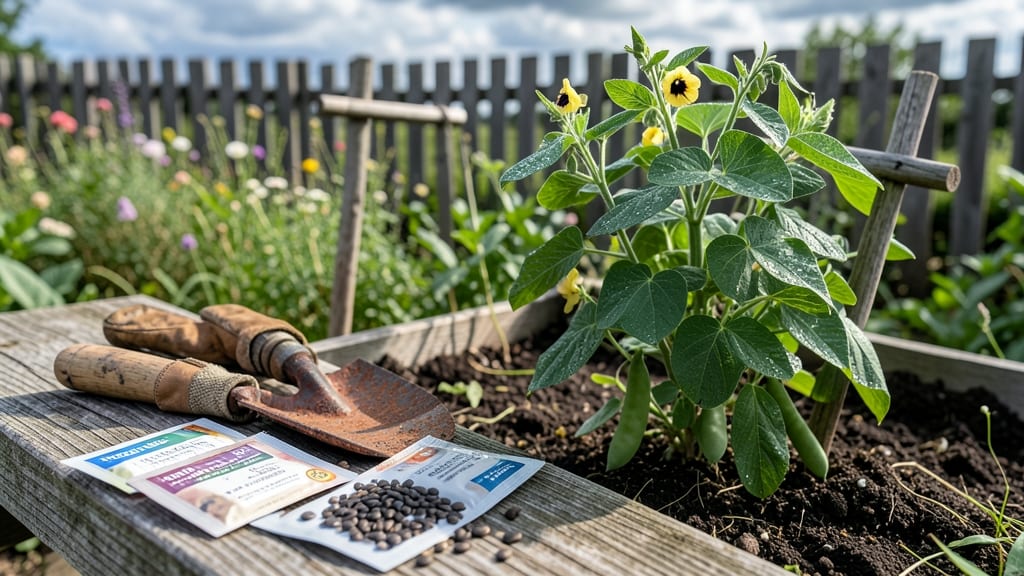
If you've ever planted black-eyed peas in Texas only to watch them fail because of timing, you're not alone. These hardy legumes need the right balance of soil warmth and frost-free conditions to thrive, and getting it wrong can mean the difference between a thriving garden and a wasted effort.
The key to success lies in understanding Texas' unique climate zones—from the cooler North Texas plains to the balmier South Texas regions.
Whether you're aiming for a spring harvest of tender pods or a fall crop to enjoy through the holidays, planting at the wrong time can expose your 🌱 to frost damage or stifling summer heat.
In this guide, I'll walk you through the optimal planting windows for your specific Texas region, how to check soil warmth, and when to avoid planting altogether. By the end, you'll know exactly when to put those seeds in the ground for the most reliable yields—no guesswork required.
Let's dive into the specifics so you can start growing black-eyed peas like a Texas gardening pro, with fewer failures and more delicious harvests to show for it.
Texas black-eyed pea planting calendar: best months by region and soil temperature
Texas’ diverse climate means black-eyed peas thrive in different regions—North Texas has cooler springs, while South Texas stays warm year-round. The key is planting when soil temperatures hit 60°F+ and avoiding frost risks.
For spring plantings, aim for 4-6 weeks before the last frost, while fall plantings should happen after the first frost to extend harvests.
In North Texas (USDA Zones 8a-8b), frost lingers until mid-February, so late February to early March is ideal for spring. South Texas (Zones 9a-10b) can start as early as January since frost is rare.
For fall, September to early October works statewide, letting plants mature before winter chill sets in.
Soil warmth is critical—black-eyed peas won’t germinate well below 60°F. Use a soil thermometer or the "barefoot test": if soil feels warm enough to stand on for 5 seconds, it’s ready. Central Texas (Zone 8a) falls between North and South, with March and September as sweet spots.
Here’s how Texas regions compare for planting windows, soil temps, and frost risks:
| Region | Spring Planting Window | Fall Planting Window | Last Frost Date | First Frost Date | Ideal Soil Temp |
|---|---|---|---|---|---|
| North Texas | Late February–Early March | September–Early October | Mid-February | Early December | 60°F+ |
| Central Texas | Early March–Mid-March | Late August–September | Late January–Early February | Mid-November | 60°F+ |
| South Texas | January–Early February | September–Early October | Mid-January | Mid-November | 60°F+ |
For spring harvests, planting in March ensures pods mature by May-June before summer heat stresses plants. Fall plantings in September yield harvests by November-December, perfect for holiday meals. In South Texas, you can even try winter plantings in December for early spring harvests.
Texas’ summer heat (above 90°F) can stunt growth, so avoid planting in June-August. Instead, focus on cool-season windows where soil stays warm but air temps are mild. Black-eyed peas are heat-tolerant but struggle with drought stress, so mulch heavily in summer to retain moisture.
Pro tip: Use row covers in North Texas to extend the growing season by 2-3 weeks in spring or fall. This protects young plants from late frosts or early chills. In South Texas, prioritize shade cloth during peak summer to prevent bolting (premature flowering).
Timing also affects pest pressure. Planting in spring avoids aphids that thrive in summer, while fall plantings escape spider mites that peak in late summer. Interplanting with basil or marigolds deters pests naturally.
Remember: Texas’ variable weather means checking local frost dates yearly. The Texas A&M AgriLife Extension provides updated frost maps—bookmark their Planting Calendar for real-time adjustments. With the right timing, you’ll enjoy homegrown black-eyed peas twice a year! 🌱
How to test soil warmth and prepare beds for black-eyed peas in Texas
Black-eyed peas need soil temperatures above 60°F to germinate properly. In Texas, this means waiting until late spring or early fall to avoid stunted growth. Use a soil thermometer to check—stick it 2 inches deep for accurate readings, especially in clay-heavy Texas soil which warms slowly.
If your soil is too cold, try planting in raised beds or black plastic mulch to trap heat. These methods can raise soil temps by 5-10°F, giving seeds the warmth they need to sprout reliably.
I’ve found that black plastic mulch works best in North Texas where mornings are still chilly in March.
Test Soil Temperature
Use a soil thermometer at 2" depth. Ideal temp: 60°F+ for germination.
Amend Heavy Clay Soil
Mix in compost or aged manure (1 inch) to improve drainage and warmth retention.
Apply Mulch
Use straw or black plastic to warm soil and suppress weeds. Replenish every 2-3 weeks.
Plant After Prep
Sow seeds 1 inch deep, 2-3 inches apart in rows 18 inches apart for airflow.
Texas soil often needs amendments to improve drainage and fertility. Work in 1-2 inches of compost or aged manure before planting to boost nutrient levels. For clay-heavy areas, consider adding sand or perlite to prevent compaction, which can suffocate roots and reduce yields.
Once your soil is prepped, mulch heavily with straw or grass clippings to retain moisture and warmth. I’ve seen 30% faster germination in mulched beds compared to bare soil. Just avoid piling mulch directly against stems to prevent rot—keep it 2 inches away from plants.
Finally, water deeply after planting to settle seeds into the soil. Use a drip irrigation system or soaker hose to keep moisture consistent without disturbing the soil. Overhead watering can wash seeds away or create muddy conditions that invite disease.
With these steps, your black-eyed peas will have the perfect warm, well-draining start—setting you up for a productive harvest in just 60 days. The key is patience: waiting for soil warmth pays off in stronger plants and higher yields.