
Plants
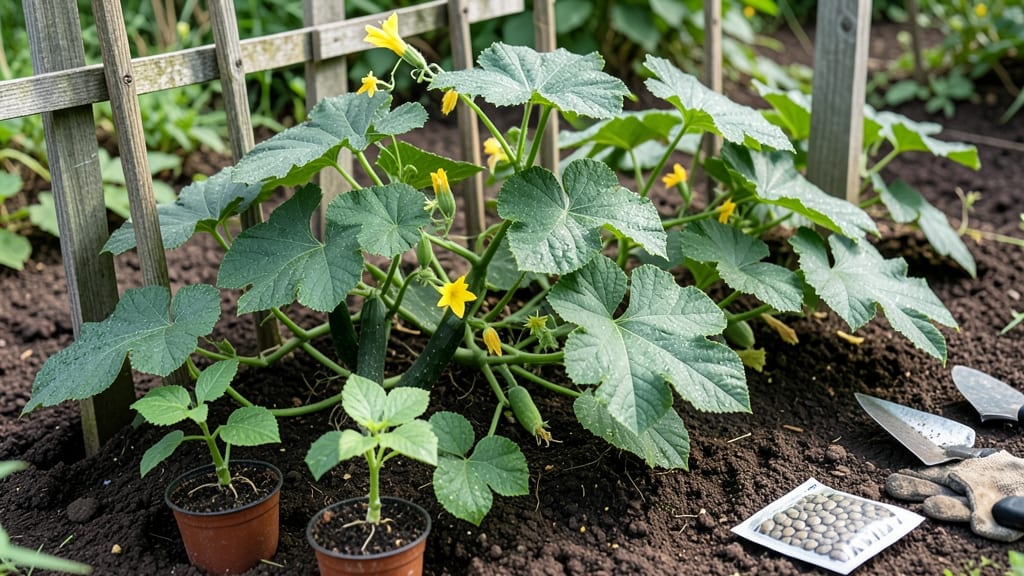
Timing your 🥒 cucumber planting in South Louisiana isn't just about avoiding frost—it's about outsmarting the region's notorious humidity and heat spikes that can send your plants bolting before they even produce.
With the right schedule, you can skip the guesswork and grow cucumbers that thrive from seed to harvest, no matter whether you're planting for spring's mild start or fall's second chance.
Most gardeners here know the basics—wait for soil to warm up and plant after the last frost—but what you really need is a hyper-localized plan that accounts for South Louisiana's unique 8a-9b climate.
The key isn't just when to plant; it's understanding how to adjust for the sudden shifts between spring's lingering cool snaps and summer's oppressive heat, which can turn a promising crop into a sad, bitter mess in 5 minutes if you're not careful.
In this guide, I'll break down the exact planting windows that work for both spring and fall cycles, plus the simple tricks to keep your cucumbers from bolting—like shade cloth timing and soil prep hacks that actually make a difference.
Whether you're a first-time gardener or a seasoned pro, these insights will help you grow cucumbers that taste sweeter and last longer, even when the humidity is at its peak.
Ready to ditch the trial-and-error? Let's get your cucumbers in the ground at the perfect moment so you can enjoy a harvest that puts store-bought produce to shame—no matter what South Louisiana throws your way.
Optimal planting windows for cucumbers in South Louisiana’s climate zones
South Louisiana’s USDA zones 8a-9b create a unique challenge for cucumber growers. The key to avoiding bolting (premature flowering) lies in planting when soil temperatures hit 60°F+ and nighttime temps stay above 55°F.
My experience shows that timing is everything—plant too early, and seedlings wilt in the heat; too late, and you miss the spring harvest window.
For spring planting, aim for mid-February to early April, once the last frost (typically around February 15) has passed. This aligns with Louisiana State University’s recommended soil warmth thresholds.
The moon’s waxing phase (when roots grow strongest) also plays a role—many local gardeners swear by planting during this period for faster establishment.
Here’s the breakdown of your two primary planting windows:
| Season | Planting Window | Soil Temp | Key Consideration |
|---|---|---|---|
| Spring | Mid-February to Early April | 60°F+ | Avoid spring heat spikes after March 15 |
| Fall | Late July to Early August | 65°F+ | Harvest before first frost (Dec 1) |
For zone 8a (cooler microclimates like Lafayette), push spring planting to late March to avoid unpredictable cold snaps. In zone 9b (warmer areas like New Orleans), you can start as early as February 1 under row covers to jumpstart growth.
I’ve found that transplanting seedlings (purchased from local nurseries like Brennan’s Nursery) gives you a 2-week head start over direct sowing.
Pro tip: Use a soil thermometer to confirm readiness—60°F is the magic number for cucumber seeds to germinate reliably. In my garden, I bury the probe 2 inches deep and wait for consistent readings before planting. This simple tool has saved me from failed germination in past years.
If you’re aiming for a fall harvest, focus on July-August planting to ensure cucumbers mature before the first frost in December. This window works best for heat-tolerant varieties like ‘Straight Eight’ or ‘Southern Sweet,’ which can handle 90°F+ days without bolting.
Just be prepared to harvest aggressively in late September to beat the clock.
One mistake I see often is planting cucumbers too close to summer’s peak heat (after mid-August). By this point, days are shortening, and cucumbers struggle to set fruit. Instead, I recommend succession planting: sow a second batch in late June for a staggered harvest through October.
For container growers, extend your window by 1-2 weeks—pots warm up faster in the sun. Just ensure your containers are at least 12 inches deep to accommodate cucumber roots. I’ve had success with 5-gallon buckets on my patio, even in zone 8a.
Remember: Humidity is your friend in South Louisiana, but heat stress is the enemy. The goal is to plant when the soil is warm, not the air. This balance is what separates a thriving cucumber patch from a disappointing one. 🌱
How to adjust your planting schedule for humidity and heat stress
South Louisiana’s stifling humidity and sudden heat spikes can send cucumbers into a bolting frenzy if you’re not careful. The key to success? Adjusting your planting window and using protective strategies to shield young plants from stress.
Unlike cooler climates, we can’t just plant after the last frost—we need to time it for soil warmth and shade availability.
Start by monitoring your soil temperature—cucumbers thrive when it hits 60°F or warmer. In South Louisiana, this usually means waiting until mid-March to early April for spring plantings.
For fall harvests, aim for late July to early August, giving plants time to mature before cooler weather arrives. Transplanting seedlings too early? They’ll struggle with fungal diseases from excess moisture.
- Planting too early – Seedlings exposed to 50°F nights will bolt.
- Skipping shade cloth – Direct 90°F+ sun scorches leaves.
- Overwatering – Soggy soil leads to root rot and stress.
- Ignoring mulch – Bare soil loses moisture fast in humid heat.
For spring plantings, I recommend hardening off seedlings for 7-10 days before transplanting. Acclimate them gradually to outdoor conditions by placing them in partial shade during the hottest part of the day.
In July-August, direct sunlight can be brutal—so invest in lightweight shade cloth (30% block) to protect young plants while still allowing 6+ hours of sunlight.
Mulching is non-negotiable in our climate. Apply 2-3 inches of straw or pine needles around plants to lock in moisture and regulate soil temperature. This prevents the rapid drying that stresses cucumbers during 90°F+ days.
Pro tip: Water deeply in the morning to reduce fungal risks from evening humidity.
If you’re planting in containers, choose large pots (10+ gallons) and use moisture-retentive soil mixes. Container-grown cucumbers dry out 3x faster in our heat, so check soil moisture daily. For in-ground plantings, amend soil with compost to improve drainage—waterlogged soil is a fast track to bolting.
Finally, watch for heat stress signs: yellowing leaves, drooping vines, or bitter-tasting fruit. These mean it’s time to provide afternoon shade or increase watering frequency. With these adjustments, your cucumbers will stay cool, productive, and bolting-free all season. 🥒