
Plants
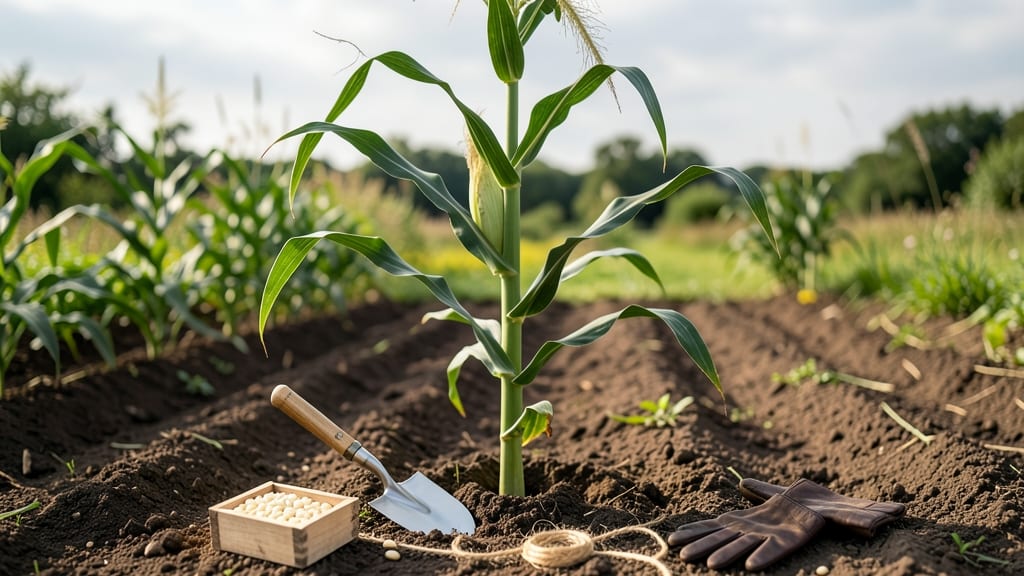
Timing your corn planting in New Jersey can make or break your harvest—get it wrong, and you might end up with stunted 🌽 plants or frost damage. The key is understanding your local heat zones and last-frost dates, which vary from north to south across the state.
With New Jersey's 6a-7b climate zones, gardeners in the northern part of the state should wait until mid-April, while southern areas can start as early as late March. But don't rush—corn thrives when soil temperatures hit at least 60°F, which usually happens in mid-to-late April for most regions.
I'll walk you through the exact planting schedule tailored to your corner of New Jersey, plus tips for preparing soil and spacing your plants. Whether you're growing sweet corn for summer meals or popcorn for fun, getting the timing right means bigger ears and happier harvests.
Ready to plant with confidence? Let's dive into the best practices for turning your garden into a cornfield success story this spring.
New Jersey's last-frost dates & heat Zone map for corn planting
New Jersey’s climate varies dramatically from the northern mountains to the coastal plains, making frost dates and heat zones critical for corn success. The average last frost ranges from April 15 in the north (Zone 6a) to May 1 in the south (Zone 7b).
Corn needs warm soil (at least 60°F) to germinate, so planting too early can lead to rot or stunted growth.
Corn thrives in USDA Zones 6a-7b, but microclimates—like urban heat islands or sheltered valleys—can shift your planting window by 1-2 weeks. For example, Bergen County (Zone 6b) may be ready 10 days earlier than Sussex County (Zone 6a).
Always check your local frost-free date using the NJ State Climate Office for precision.
| Region | USDA Zone | Avg. Last Frost | Safe Planting Window | Recommended Varieties |
|---|---|---|---|---|
| Northern NJ (Sussex, Warren, Passaic) | 6a | April 15–May 1 | May 10–20 (soil ≥60°F) | 'Early Sunglow', 'Golden Bantam' |
| Central NJ (Hunterdon, Mercer, Middlesex) | 6b-7a | April 20–May 5 | April 25–May 10 | 'Silver Queen', 'Peaches & Cream' |
| Southern NJ (Atlantic, Cape May, Salem) | 7b | April 25–May 10 | April 15–April 30 | 'Ambrosia', 'Bodacious' |
Corn is a warm-season crop, so planting too soon—even if frost risk is low—can cause seeds to rot in cold, wet soil. Use a soil thermometer to confirm temperatures are stable at 60°F+ before sowing.
In Zone 6a, wait until May 10 to avoid frost; in Zone 7b, you can start as early as April 15 if soil is warm.
For succession planting, schedule 2-3 plantings 2 weeks apart to stretch your harvest from late July to September. This works best for short-season varieties (60-75 days to maturity) like 'Early Sunglow' or 'Golden Bantam,' which thrive in NJ’s shorter growing season.
If you’re in a microclimate—like a south-facing urban garden or a protected valley—you may extend your window by 1-2 weeks.
Monitor local weather forecasts and adjust planting dates accordingly. Field corn and popcorn varieties can tolerate slightly cooler soils, but sweet corn demands warmth for optimal sugar development.
Pro tip: Use black plastic mulch to warm soil faster in early spring. Lay it down 1-2 weeks before planting to create a 5-10°F warmer microclimate, accelerating germination. This is especially useful in northern NJ, where soil stays cold longer.
Corn also benefits from windbreaks if planted in open areas. Tall grasses, shrubs, or even a corn stalk fence from last year’s harvest can improve pollination and ear development. In coastal areas, where winds are stronger, prioritize compact varieties like 'Peaches & Cream' to avoid lodging.
Finally, track your first frost date (typically October 15) to estimate your harvest window. Most NJ-grown corn matures in 75-90 days, so plan to harvest before late September to avoid frost damage to tender ears.
🌽
Step-by-Step corn planting schedule by New Jersey region
Now that you know your USDA zone and last-frost date, let’s break down the exact planting schedule for New Jersey’s three key regions.
Corn thrives when planted after soil reaches 60°F, but timing also depends on your chosen variety—short-season types (60-75 days) need earlier starts, while longer varieties (90+ days) can wait until late May.
For northern NJ (Zone 6a), aim to plant between May 10-20 for sweet corn varieties like 'Early Sunglow.' This gives you a 90-day harvest window ending in early August.
In central NJ (Zones 6b-7a), you can start as early as April 25 for early varieties, with a second planting on May 10 for continuous harvests through September.
- 📅 Step 1: Test Soil Temperature
Use a soil thermometer to confirm 60°F+ at 2-inch depth before planting. - 🌱 Step 2: Plant Seeds
Sow seeds 1-1.5 inches deep in blocks (not rows) for better pollination. - 📏 Step 3: Space Properly
Place seeds 4-6 inches apart in hills 3 feet apart for optimal airflow. - 💧 Step 4: Water Deeply
Keep soil consistently moist (1-2 inches per week) until germination. - 🌿 Step 5: Thin Seedlings
Remove weaker plants when 2 inches tall to leave 1 strong seedling per hill.
In southern NJ (Zone 7b), you can plant as early as April 15 for varieties like 'Ambrosia,' which matures in 75-80 days. For a continuous harvest, schedule 2-3 plantings 2 weeks apart—this stretches your season from late July to September. For example:
| Planting Date | Variety | Harvest Window |
|---|---|---|
| April 15 | 'Ambrosia' | Late July |
| April 30 | 'Bodacious' | Early August |
| May 15 | 'Silver Queen' | Mid-September |
If you’re in a late-spring year (like 2023’s delayed warmth), consider using biodegradable seedling pots to start seeds indoors 4-6 weeks before your target date. Transplant seedlings when soil warms to 60°F, but avoid disturbing roots—corn has delicate root systems that can shock easily.
For popcorn or field corn, which tolerate cooler soils slightly better, you can plant 1-2 weeks earlier than sweet corn. However, these varieties still need full sun (6+ hours daily) and well-draining soil to prevent rot.
Amend heavy clay soils with compost or sand to improve drainage, especially in northern NJ’s wetter regions.
🌽 Pro tip: Mark your planting dates on a garden calendar and set reminders for succession plantings. A 3-week gap between batches ensures a steady supply of fresh ears.
And don’t forget—corn needs cross-pollination, so plant at least 4 rows (or hills) of the same variety to guarantee good ear development.