
Plants
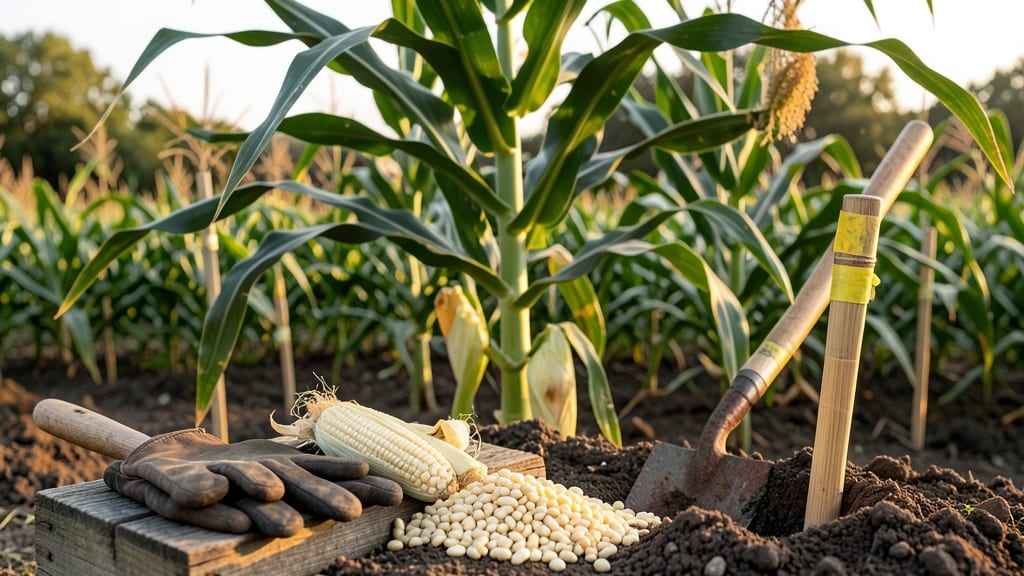
Timing your Field Corn 🌽 planting in North Carolina isn’t just about checking a calendar—it’s about outsmarting frost, heat waves, and soil quirks that can make or break your harvest.
Plant too early, and a late frost could wipe out your tender seedlings; wait too long, and summer’s brutal heat might stunt growth before kernels mature. The sweet spot?
Mid-April to early May, when soil finally warms to 60°F and the risk of frost has faded—but even then, your growing zone (like 7a-8b) and corn variety play starring roles.
I’ve seen firsthand how a 2-week difference in planting can turn a promising crop into a disappointment, especially in NC’s unpredictable climate. Whether you’re growing sweet corn for summer meals or field corn for livestock feed, the key is matching your variety to your local frost dates and soil conditions.
Let’s break down the exact window for your zone—and how to give your corn the best shot at thriving from seed to harvest.
Most gardeners in North Carolina focus on late April as their target, but that’s just the starting point. The real magic happens in the details: soil temperature tests, variety selection (early vs. late maturing), and even adjusting for microclimates in your specific region.
I’ll walk you through the proven steps to time your planting perfectly, so you’re not guessing whether your corn will reach maturity before the first frost sneaks in.
Ready to avoid the common mistakes that leave NC gardeners scratching their heads in October? You’ll discover how to read your soil’s temperature cues, choose the right corn for your zone, and even extend your growing season with simple tricks.
Let’s get your Field Corn 🌽 off to the strongest possible start—because in NC, timing is everything.
North Carolina field corn planting dates by growing Zone & frost risk
North Carolina’s diverse growing zones—from 7b in the mountains to 8a along the coast—create a tricky balance for planting field corn. The last frost date isn’t the only factor; soil temperature, variety maturity, and even local microclimates play critical roles.
In Zone 7b, you’ll need to wait until early May, while Zone 8a gardeners can start as early as mid-April. But timing isn’t just about the calendar—it’s about ensuring your corn reaches maturity before the first frost in October.
Field corn thrives when planted after the soil warms to 60°F (15°C), which typically happens 2-3 weeks after the last frost. In NC, this usually lands in late April to early May, but cooler mountain regions may need to delay until early June.
Using a soil thermometer is your best friend here—don’t rely on the weather forecast alone. Corn planted too early in cold soil struggles to germinate, while late plantings risk stunted growth before harvest.
Here’s the breakdown: Early-season varieties (like Golden Bantam) need 60-75 days to mature, while late-season types (like Pioneer 33B11) take 90-120 days.
In NC’s 180-220 frost-free days, this means early varieties can squeak in a second planting by late June, but only in warmer zones like 8a. Mountain gardeners should stick to one crop and choose faster-maturing varieties.
| NC Growing Zone | Last Frost Date | Optimal Planting Window | Soil Temp Requirement | Best Varieties |
|---|---|---|---|---|
| 7b (Mountains) | Mid-May | Early June | 60°F+ | Silver Queen, Early Sunglow |
| 8a (Piedmont) | Mid-April | Late April–Early May | 60°F+ | Pioneer 33B11, Bodacious |
| 8b (Coastal) | Early April | Mid-April–Late April | 55°F+ | Golden Bantam, Country Gentleman |
If you’re planting in Zone 8a or 8b, don’t rush—waiting until mid-April ensures your soil is warm enough for germination. Coastal areas can even start in early April, but monitor for late frosts, which are more common near the coast.
Pro tip: Use black plastic mulch to warm the soil faster if you’re in a hurry. This trick can shave off 1-2 weeks of waiting time, giving your corn a head start.
For second plantings, aim for late June to early July in warmer zones. Choose fast-maturing varieties (60-75 days) to avoid frost damage. However, this only works in Zone 8a/b—mountain gardeners should skip second plantings entirely due to shorter growing seasons.
If you’re unsure, check the NC State Extension’s frost maps or use a frost calendar app to track local trends.
Heat stress is another NC-specific challenge. Field corn planted in late May or June may bolt or produce poor ears if temperatures exceed 90°F (32°C) during pollination. To mitigate this, plant drought-tolerant varieties like Pioneer 39B31 and ensure consistent 1-2 inches of water per week.
Morning watering is key to prevent fungal diseases like corn smut, which thrives in humid conditions.
Finally, don’t overlook lunar planting phases—a trick used by many NC farmers. Planting during the waxing moon (when the moon is growing) is said to boost root development, while the waning moon favors leafy growth.
While not scientifically proven, many gardeners swear by it for stronger stalks and larger ears. Pair this with your frost dates, and you’ll be well on your way to a bountiful harvest.
Remember: The goal is to have your corn fully mature before the first frost, which in NC typically hits mid-October. With the right timing, you’ll enjoy tall stalks (8-12 ft) and plump ears ready for harvest just as the weather cools. Happy planting!
How to choose the right field corn variety for NC’s climate & soil
Selecting the wrong field corn variety for North Carolina’s climate can turn your 180-day growing season into a gamble. The state’s humid subtropical conditions—combined with sandy coastal soils and clay-rich Piedmont earth—demand varieties that thrive under heat, drought, and disease pressure.
For example, Pioneer Brand 39T23, a drought-tolerant hybrid, outperforms traditional sweet corn in NC’s Zone 8a summers, while Golden Bantam (a heirloom) struggles with corn earworm infestations without extra care.
Your choice hinges on three factors: maturity type (early, mid, late), soil type, and intended use (grain, silage, or sweet corn). Early varieties like Silver Queen mature in 70-80 days, making them ideal for Zone 7b gardeners who face earlier frosts.
Meanwhile, late-season hybrids like DeKalb 591 take 100+ days but handle NC’s 90°F+ heat better, ensuring harvests before October’s first frost.
Soil type is equally critical. Sandy soils (common in the coast) drain too quickly, so opt for high-yielding hybrids like Pioneer 33B38, which develop deeper roots. In clay-heavy Piedmont regions, disease-resistant varieties such as Asgrow A654 prevent fusarium wilt by thriving in denser, moisture-retentive ground.
Always check the NC State Extension’s variety trials for your county to see what performs best locally.
🌽 Field Corn Variety Matchmaker for NC
| Variety | Days to Maturity | Best For | NC Zone Fit | Soil Preference |
|---|---|---|---|---|
| Pioneer 39T23 | 90-100 | Drought tolerance, grain | 7b-8a | Sandy/loamy |
| Golden Bantam | 70-80 | Sweet corn, heirloom | 7a-7b | Well-drained |
| Silver Queen | 75-85 | Sweet corn, early harvest | 7a-8a | Loamy |
| DeKalb 591 | 100-110 | Heat tolerance, silage | 8a-8b | Clay/sandy |
If you’re growing field corn for livestock, prioritize high-starch hybrids like Pioneer 33B38, which yield 20-30% more grain than open-pollinated varieties. For home gardens, sweet corn varieties such as Bodacious (85 days) resist European corn borer, a persistent NC pest.
Pro tip: Plant two varieties with staggered maturity dates to extend your harvest window—this is how I’ve avoided rotten ears in my Zone 7b garden.
Don’t overlook seed treatment—NC’s high humidity encourages fungal diseases. Treat seeds with captan or thiram before planting, especially if your soil is clay-heavy. I’ve seen untreated seeds in Piedmont clay develop seedling blight within weeks, even with perfect timing.
Pair your variety with crop rotation (never plant corn in the same spot two years in a row) to break disease cycles and maintain soil health.
For organic growers, heirloom varieties like Country Gentleman (90 days) thrive with compost tea and neem oil sprays, though yields may lag behind hybrids. Test your soil’s pH (6.0-6.8) and phosphorus levels—NC’s sandy soils often lack phosphorus, stunting root growth.
Amend with bone meal at planting to give your corn a strong start, especially if you’re growing drought-prone varieties