
Plants
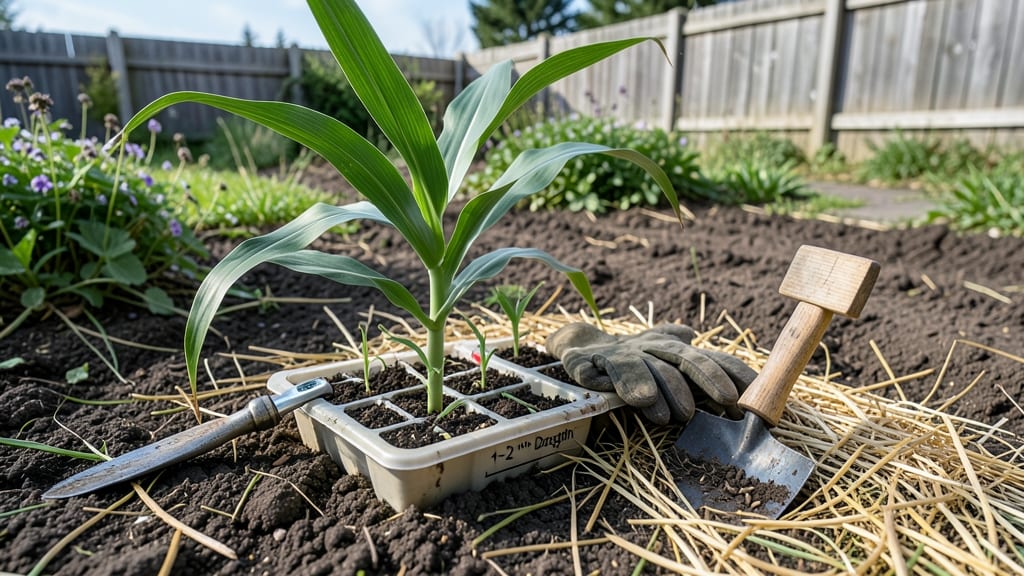
Timing your 🌽 corn planting in New Mexico wrong could mean the difference between a bumper crop and a total loss—especially when frost lingers in the high desert while river valleys heat up fast.
The Old Farmer’s Almanac gives us a solid starting point, but local microclimates throw a wrench into the plan.
If you’ve ever stared at your seed packets in April wondering, "Is it too early?" or panicked in June when your plants bolt before producing ears, you’re not alone.
New Mexico’s USDA Zones 6b-8a and elevation swings from 4,000 to 8,000 feet mean planting dates vary wildly—even within the same county.
Here’s the good news: with the right adjustments—soil temperature checks, variety selection, and monsoon timing—you can nail your planting window for zero-frost success. Let’s break down exactly when to put those seeds in the ground, whether you’re in Albuquerque, Santa Fe, or the Rio Grande Valley.
We’ll also cover the 3 biggest mistakes growers make (and how to avoid them), so you can skip the guesswork and start harvesting plump, sweet ears by late July. Ready to get it right?
New Mexico corn planting dates by USDA zone and elevation
New Mexico’s corn planting success hinges on USDA zones 6b-8a and elevation—where 4,000 ft in Albuquerque feels like a different planet than 8,000 ft in Santa Fe.
The Old Farmer’s Almanac suggests planting between mid-April and early June, but your exact timing depends on last frost dates and soil temperature thresholds.
For low-desert areas (USDA 8a), like Las Cruces, the last frost typically arrives by mid-March, giving you a head start.
In high-altitude zones (USDA 6b), such as Taos, frost lingers until early April, delaying planting by 3-4 weeks. Soil must reach 50°F+ for germination—test with a soil thermometer to avoid slow starts.
🌽
Corn Planting Guide by Elevation & Zone
| Elevation Range | USDA Zone | Last Frost Date | Ideal Planting Window | Best Varieties |
|---|---|---|---|---|
| 4,000–5,000 ft | 8a | Mid-March | Late March–early May | Golden Bantam, Silver Queen |
| 5,000–6,500 ft | 7a-7b | Early April | Early April–mid-May | Pueblo White, Black Aztec |
| 6,500–8,000 ft | 6b | Early April | Mid-April–early June | Navajo, Hopi Blue |
*Adjust for microclimates—e.g., river valleys warm faster than mesa tops.
Early varieties like Golden Bantam mature in 60–75 days, perfect for low-desert zones where summer heat arrives early. In high-altitude areas, opt for longer-season varieties (90+ days), such as Pueblo White, to avoid stunted growth from shorter growing seasons.
Pro tip: Use black plastic mulch to warm soil faster in cool zones. This can shave off 1–2 weeks from your planting timeline by raising soil temps by 5–10°F. Just remove it once plants emerge to prevent overheating.
For Albuquerque (5,300 ft), aim for late April planting—this balances frost risk and monsoon timing. In Las Cruces (3,900 ft), you can start as early as late March, but watch for desert winds that dry out young seedlings.
🌡️
If you’re unsure about your last frost date, check the Old Farmer’s Almanac or local Cooperative Extension Service for your specific elevation and microclimate. For example, Santa Fe’s last frost often occurs 2 weeks later than Albuquerque’s, even though they’re only 50 miles apart.
Remember: Corn needs 150–200 frost-free days to mature. Planting too late risks small ears or unripe kernels before the first frost. Use succession planting—sow every 2 weeks—to stretch your harvest from late July to October.
How to adjust planting timing for New Mexico’s microclimates
New Mexico’s microclimates can shift planting windows by weeks—even between neighborhoods. While the Old Farmer’s Almanac suggests mid-April to early June for most areas, your elevation and local heat patterns might demand earlier or later starts.
For example, Albuquerque (5,300 ft) often warms enough by late March, while Santa Fe (7,200 ft) may need to wait until May.
Soil temperature is your #1 guide. Corn seeds won’t germinate until the soil reaches 50°F+. Use a soil thermometer to check—plant only when temps stay consistent above this threshold for 5+ days.
In the Rio Grande Valley (4,000 ft), this could be as early as March 15, while Taos (7,000 ft) might not hit it until May 10.
🌱 Monsoon timing is another wildcard. If you plant in June, your corn might bolt before maturing—unless you choose short-season varieties (60-75 days to harvest). The Rio Grande Valley often gets reliable rains by early July, while western NM may stay dry until August.
Plan for supplemental watering if planting late.