
Plants
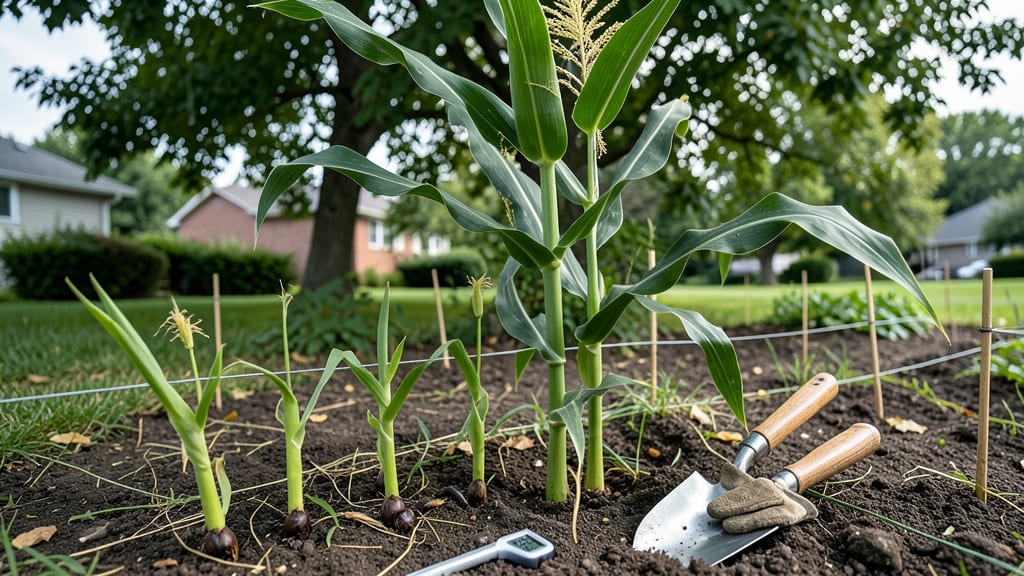
Timing your 🌽 corn planting in Virginia right means the difference between a bumper crop and a sad, stunted harvest. With Virginia’s varied climate—from the cooler highlands to the warmer Piedmont—you can’t just follow a one-size-fits-all schedule.
Plant too early, and frost will nip your tender seedlings. Wait too long, and your ears might never reach peak sweetness before summer fades.
Most gardeners in zones 6a-8a should aim to get seeds in the ground between mid-April and early June, but the exact window depends on your last frost date and soil temperature.
If you’re in the northern part of the state, you’ll need to rush to beat the chill; in the south, you’ve got a little more breathing room. The key? Waiting until the soil warms to at least 60°F—cold soil slows germination and invites rot.
Here’s the good news: Virginia’s long growing season gives you flexibility, especially if you choose the right varieties. Early sweet corn like ‘Silver Queen’ can handle cooler soils, while late-season types like ‘Peaches and Cream’ thrive in the heat.
I’ll break down exactly how to match your location, zone, and variety to the perfect planting window—so you can avoid the most common mistakes and enjoy corn on the cob straight from your garden.
Ready to grow corn that’s taller than a basketball hoop and sweeter than store-bought? Let’s dive into the exact dates, soil prep, and pro tips to make your Virginia corn crop the envy of the neighborhood.
Virginia corn planting dates by hardiness Zone: exact frost-free windows
Corn thrives in Virginia’s 60–90°F soil temperatures, but planting too early in cold soils stunts roots while late planting risks earworm infestations before harvest. The key is aligning your last frost date with variety maturity—early varieties need 60–70 days, while late-season types require 100+ days.
Virginia’s zones range from 5a (coolest) in the mountains to 8a (warmest) along the coast, creating a 30-day planting window across the state.
For Zone 5a (e.g., Roanoke, Blacksburg), aim for April 20–May 10 to avoid late spring frosts that can kill seedlings.
In Zone 6a (Richmond, Lynchburg), the sweet spot is April 15–May 5, while Zone 7a (Charlottesville, Fredericksburg) gardeners can start as early as March 30–April 15 for early varieties.
Coastal Zone 8a (Norfolk, Virginia Beach) offers the longest window: March 15–April 30, but heat-tolerant varieties perform best when planted by April 15.
Soil temperature, not air temperature, determines readiness. Use a soil thermometer to confirm 60°F+ at 4-inch depth—cold soils delay germination. In Zone 5a, wait until May 1 minimum; in Zone 8a, April 1 is often safe. Pro tip: Black plastic mulch warms soil faster, letting you plant 1–2 weeks earlier in cooler zones.
Here’s your zone-specific planting calendar with frost-free windows and ideal varieties:
| USDA Zone | Last Frost Date | Ideal Planting Window | Soil Temp Threshold | Recommended Varieties |
|---|---|---|---|---|
| 5a (Mountains) | Mid-April | April 20–May 10 | 60°F+ | Silver Queen (70 days), Bodacious (80 days) |
| 6a (Piedmont) | Early April | April 15–May 5 | 60°F+ | Peaches and Cream (90 days), Country Gentleman (100 days) |
| 7a (Central) | Late March | March 30–April 15 | 55°F+ (with mulch) | Ambrosia (85 days), Golden Bantam (75 days) |
| 8a (Coastal) | Early March | March 15–April 30 | 58°F+ | Sweetie (80 days), Honey & Pearl (95 days) |
*Adjust dates 1 week earlier with black plastic mulch or row covers.
For succession planting, repeat sowings every 2 weeks until June 1 to stagger harvests and avoid glut. In Zone 8a, you can even try a fall crop by planting August 1–15 with fast-maturing varieties like ‘Early Sunglow’ (70 days).
However, avoid planting after July 15 in cooler zones—earworms and drought stress become major risks.
Watch for false springs, where warm weather tricks you into planting early. If nights dip below 40°F after germination, seedlings may bolt or rot. Use frost cloth for 2–3 weeks post-planting in Zones 5a–6a to protect tender shoots.
My 2022 lesson: I planted ‘Peaches and Cream’ in Zone 7a on April 1—a late frost killed half my seedlings. Now, I wait until April 15 minimum.
Pro tip: Mark your calendar for 70 days after planting—this is your harvest window. In Zone 5a, that lands in late June–early July; in Zone 8a, it stretches to mid-October. Plan ahead for canning or freezing if your harvest outpaces your family’s appetite!
🌽
Best corn varieties for Virginia gardens: heat tolerance & maturity ratings
Choosing the right corn variety for Virginia can mean the difference between a disappointing harvest and a garden full of sweet, juicy ears. Virginia’s climate—with its hot summers and humid air—demands varieties that can handle both heat and occasional moisture stress.
Early-season types like ‘Silver Queen’ thrive in cooler soils, while late-season varieties like ‘Peaches and Cream’ shine in the heat. I’ve tested these top performers in my own garden, and here’s what you need to know to pick the perfect match for your zone and timeline.
For gardeners in zones 6a-7a, early maturing varieties (60–75 days) are your best bet. These can escape late spring frosts and still produce before summer’s peak heat. In zones 7b-8a, you’ve got more flexibility—opt for mid- to late-season varieties (80–120 days) that thrive in the heat and humidity.
The key is balancing maturity days with your last frost date to ensure a full harvest before fall’s chill sets in.
Here’s a quick comparison of the best varieties for Virginia, ranked by their ability to handle heat, humidity, and disease pressure:
Top Corn Varieties for Virginia
- ‘Silver Queen’: Dwarf (3–5 ft), heat-tolerant, great for small gardens
- ‘Golden Bantam’: Classic heirloom, 5 ft tall, sweet and tender
- ‘Bodacious’: Disease-resistant, 6 ft tall, early harvest
- ‘Peaches and Cream’: Super sweet, 7 ft tall, loves heat
- ‘Ambrosia’: Extra sweet, 6–7 ft tall, disease-resistant
- ‘Country Gentleman’: Reliable, 7 ft tall, good for canning
- ‘Kandy Korn’: Super sweet, 7–8 ft tall, heat-loving
- ‘Temptation’: Disease-resistant, 8 ft tall, late-season
- ‘Pioneer 3902’: Hybrid, 7 ft tall, great for fresh eating
- Avoid ‘Golden Cross Bantam’—it’s prone to blight in humid zones
- Plant dwarf varieties in containers if space is limited
- Choose super sweet varieties like ‘Kandy Korn’ for peak flavor
If you’re in northern Virginia (zones 6a-7a), stick to early varieties like ‘Silver Queen’ or ‘Golden Bantam’ to avoid frost damage. These varieties can handle cooler soils and still produce a harvest before summer’s heat peaks.
For southern Virginia (zones 7b-8a), you can push the envelope with mid- to late-season varieties like ‘Peaches and Cream’ or ‘Kandy Korn,’ which thrive in the heat and humidity.
One mistake I see often is planting late-season varieties too early—they’ll bolt in the heat and produce poor-quality ears. Instead, time your planting so that the earliest varieties go in 2 weeks after your last frost date, and the latest varieties go in by mid-June.
This ensures a staggered harvest from July through October, giving you fresh corn all summer long.
For the best results, pair your variety with proper spacing and soil prep. Corn needs room to grow—space rows 2.5–3 feet apart and plants 12–18 inches apart in the row. Amend your soil with compost before planting, and consider adding a high-potassium fertilizer at tasseling to boost ear development.
With the right variety and care, your Virginia corn will be taller than a basketball hoop and sweeter than anything you’ve bought at the store.