
Plants
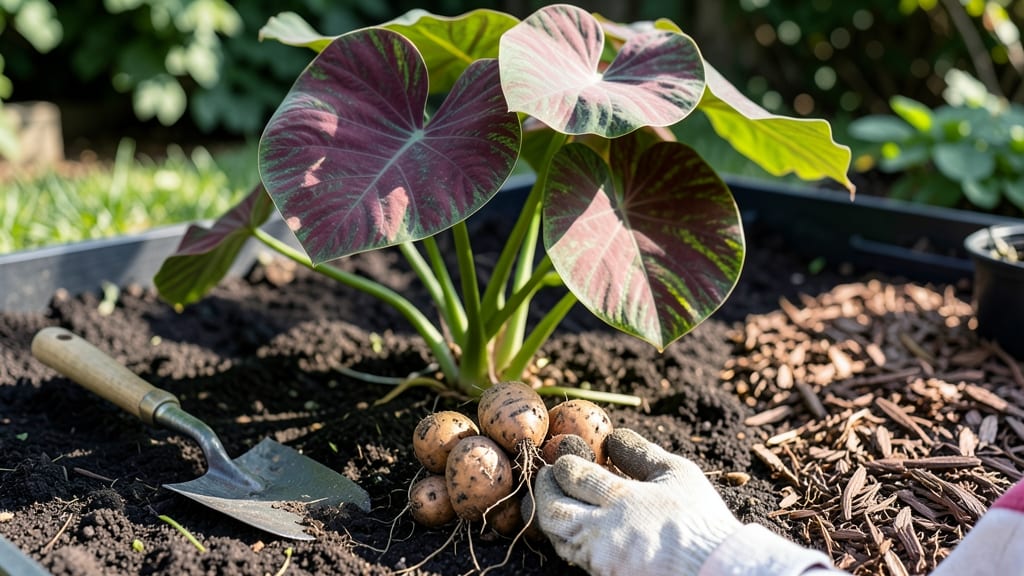
If you've ever planted Caladiums in Texas only to watch frost nip their leaves or summer heat scorch them before they even bloom, you're not alone.
These stunning tropical plants demand precise timing to thrive in our unpredictable climate, where March and April become the sweet spot between spring chill and scorching summer.
The key to success lies in waiting until after the last frost date—typically mid-February in South Texas and late March in North Texas—when soil temperatures consistently stay above 65°F.
Planting too early risks freezing tubers, while waiting too long may stunt their vibrant foliage before summer's peak. Let me show you exactly how to nail this window for showstopping results.
Beyond timing, soil prep and microclimates play a huge role. Whether you're in Zone 8a or 10b, we'll cover how to create the perfect shaded, moist environment these plants crave. Plus, I'll share pro tips for extending their season using containers and shade strategies—because in Texas, adaptability is everything.
Ready to transform your garden into a lush display of heart-shaped leaves? Let's dive into the exact steps to plant your Caladiums at the perfect moment, ensuring they flourish from spring through summer without a single setback.
Texas caladium planting timeline: avoiding spring frost while preparing for summer heat
Caladiums thrive in Texas’s hot summers, but their tropical roots make them frost-sensitive. The key to success? Planting after the last frost date—typically March in North Texas and February in South Texas—when soil warms to at least 65°F.
This timing ensures your colorful foliage emerges strong and avoids the shock of unpredictable late frosts.
Texas spans USDA zones 7-10, so your local frost dates matter. For example, Amarillo (Zone 7b) may wait until mid-April, while Houston (Zone 9a) can plant as early as late February.
Always check your local frost maps or use a frost alert app to stay ahead of unexpected cold snaps.
Here’s the ideal planting window for most Texas gardeners, broken down by region and soil readiness:
| Region | Last Frost Date | Planting Window | Soil Temp Threshold | Key Tip |
|---|---|---|---|---|
| North Texas (Zones 7-8) | Mid-March | Late March–Early April | 65°F+ | Use black plastic mulch to warm soil faster. |
| Central Texas (Zones 8-9) | Early March | Late February–March | 60°F+ | Plant near trees or structures for afternoon shade. |
| South Texas (Zones 9-10) | Late February | February–Early March | 55°F+ | Watch for spring heatwaves—water deeply after planting. |
Once you’ve nailed the planting window, focus on soil preparation. Caladiums prefer rich, well-draining soil with a pH of 6.0–6.5.
Amend heavy clay soil with compost or peat moss to improve drainage, and avoid planting in areas where water pools—root rot is a common issue in Texas’s humid summers.
After planting, mulch heavily with 2–3 inches of organic mulch (like shredded bark) to retain moisture and regulate soil temperature. This is especially critical in North Texas, where day-night temperature swings can stress young plants. Mulch also suppresses weeds, reducing competition for nutrients.
For container gardening, plant caladium tubers in well-draining pots filled with a mix of potting soil and perlite. Containers warm up faster than garden beds, so you can plant 1–2 weeks earlier in cooler zones.
Just ensure pots have drainage holes and avoid placing them in full afternoon sun, which can scorch leaves.
One common mistake Texas gardeners make? Planting too deep. Caladium tubers should sit 1–2 inches below soil level, with their eyes (growth points) facing upward. Planting them too deep can lead to rot, while planting too shallow may expose them to heat stress.
Aim for a goldilocks zone—just right for your climate.
Finally, acclimate your caladiums gradually to Texas’s intense summer sun. If you’re planting in full shade, move containers or young plants to partial shade over 1–2 weeks to avoid leaf scorch. This slow transition helps their tropical foliage adjust without shock.
With the right planting timing and care, your caladiums will reward you with vibrant, heart-shaped leaves from late spring until frost. Just remember: patience is key—rushing the process can turn your dream garden into a frost-burned disappointment. 🌿
Signs your Texas soil and climate are ready for caladiums (and what to do if they aren’t)
Before you rush to plant your caladium tubers, check if your Texas garden is truly ready. These tropical plants thrive in warm, moist soil with partial shade, but our state’s clay-heavy soils and intense sun can sabotage them if you’re not careful.
Start by testing your soil’s drainage—caladiums hate soggy roots, so if water pools after 24 hours, amend with compost or sand.
Next, monitor your microclimate. Even in Zone 9, urban areas can hit 100°F by noon, while shaded garden beds stay cooler. Place a soil thermometer 2 inches deep—plant only when temps hit 65°F+ consistently. If your yard’s a sunbaker, consider container gardening for mobility.
🌱 Pro Tip: Caladiums need 6+ hours of morning sun but afternoon shade. If your spot gets harsh afternoon rays, install 30-50% shade cloth now to avoid scorching leaves later.
⚠️ Texas-Specific Red Flags
- Clay soil? Amend with peat moss to improve drainage.
- Alkaline soil (pH >7)? Add sulfur or pine needles to lower pH.
- No shade? Plant near tall shrubs or use reflective mulch.
- Frequent winds? Stake plants or use windbreaks.
Ignoring these can lead to leaf burn, root rot, or stunted growth—don’t let Texas’ quirks ruin your caladiums!
If your soil feels compacted, loosen it 12 inches deep with a broadfork or tiller. Mix in well-rotted compost to retain moisture—caladiums wilt fast in dry soil. For container growers, use a lightweight potting mix with perlite to prevent waterlogging.
Finally, watch for pests like slugs or earwigs, which love tender caladium leaves. Set out beer traps or diatomaceous earth preemptively. With these checks, your caladiums will thrive even in Texas’ toughest conditions.
🌿 Remember: Partial shade, moist (not soggy) soil, and warm temps are non-negotiable. Skip these prep steps, and you’ll be chasing brown leaves instead of vibrant foliage.