
Plants
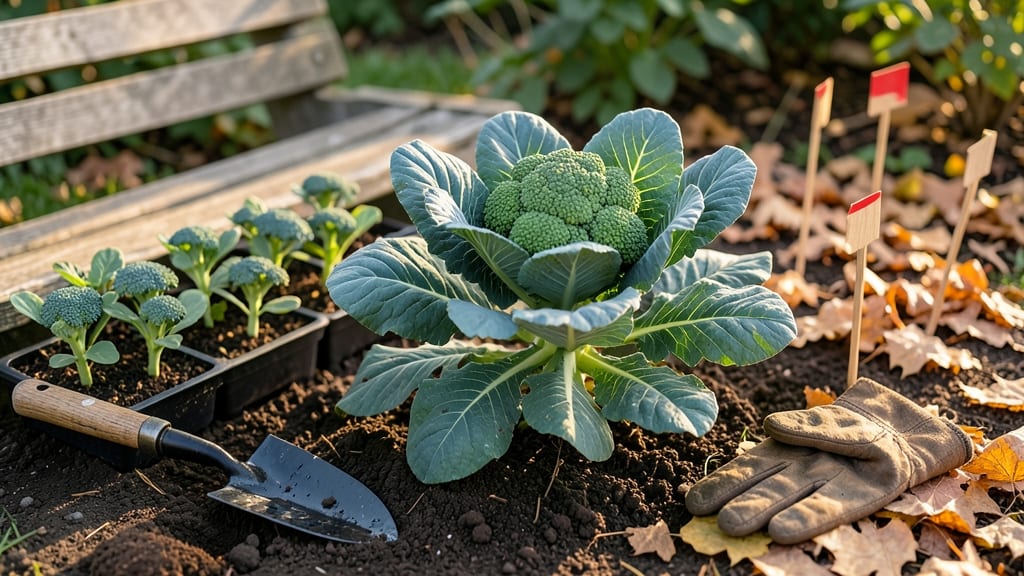
Planting fall broccoli in Zone 6 at the wrong time can turn your garden dreams into bitter disappointment—but getting the timing right unlocks a harvest of crisp, nutrient-rich 🥦 heads that last through crisp autumn days.
Most gardeners in Zone 6 (6a-6b) assume August-September is the only window, but microclimates—like urban heat islands or sheltered valleys—can shift your ideal planting date by 2-3 weeks. A late start might mean bolting before harvest, while planting too early risks stunted growth from summer heat.
What if you could pinpoint the exact 4-6 week window before your first frost (typically mid-October) that guarantees zero bolts and maximum yield? I’ll show you how to adjust for your specific microclimate, from soil prep to post-planting care, so you’re harvesting perfect heads by October.
Let’s dive into the secrets that separate a flourishing fall broccoli patch from a garden full of disappointment—starting with the one factor most gardeners overlook.
Optimal fall planting dates for broccoli in Zone 6 (with microclimate adjustments)
Zone 6 gardeners know timing is everything—especially for fall broccoli. Plant too early, and your crop bolts before frost. Too late, and heads stay small or never form. The ideal window is 4-6 weeks before your first frost, typically mid-August to early September in most of Zone 6.
But your exact dates depend on local microclimates and soil conditions.
For example, Pittsburgh’s average first frost hits October 15, so aim for September 1-15 planting. Meanwhile, Cincinnati’s frost arrives October 25, shifting your window to late August to early September. Urban areas with heat islands may need to plant 2 weeks earlier than rural zones.
Soil temperature is just as critical as calendar dates. Broccoli seeds need 45-75°F soil to germinate. Use a soil thermometer—if temps dip below 50°F, wait 1-2 weeks. Cool nights (55°F or lower) after planting actually prevent bolting, which is why late-summer starts work best.
Here’s my Zone 6 fall broccoli planting calendar with microclimate adjustments:
Pro tip: Direct-sow seeds for better success than transplants. Broccoli dislikes root disturbance, and seedlings from nurseries often bolt faster. If you’re using transplants, choose cold-hardy varieties like 'De Cicco' or 'Waltham 29'—they tolerate cooler soils better.
After planting, mulch heavily (2-3 inches of straw or leaves) to insulate roots. This keeps soil temps stable and reduces bolting triggers like temperature swings. In windy areas, add windbreaks (like corn stalks or burlap) to prevent stress-induced bolting.
For container gardening in Zone 6, use 5-gallon pots and plant late August. Containers warm up faster, so monitor soil temps closely. Move pots to shadier spots if temps exceed 80°F during the day.
Remember: Harvest timing is just as critical as planting. Aim to harvest before hard frosts (below 20°F). If frost threatens, cover plants with row fabric and harvest the next morning. Your fall broccoli should be ready 60-80 days after planting—just in time for holiday meals!
🌱
How to avoid bolting: 5 critical factors for fall broccoli success in Zone 6
Bolting—when broccoli shoots up flower stalks instead of forming heads—is the #1 reason fall gardens fail. In Zone 6, day length and soil temperatures between 75°F-85°F trigger this response, but smart gardeners use these 5 strategies to keep plants focused on head formation.
Start with cold-hardy varieties like 'Waltham 29' or 'De Cicco,' which resist bolting better than heat-sensitive types.
Your first defense is timing. Plant seeds 4-6 weeks before your first frost date (mid-October in Zone 6), but avoid late August starts—soil temps above 80°F stress young plants.
Use a soil thermometer to confirm temps are between 45°F-75°F before sowing. If your soil runs hotter, try shade cloth or wait until early September.
🌱 5 Critical Factors to Prevent Bolting
- 1. Variety Choice: Pick cold-tolerant types like 'Waltham 29' or 'De Cicco' (avoid heat-sensitive 'Calabrese').
- 2. Soil Temperature: Keep between 45°F-75°F—use shade cloth if temps exceed 80°F.
- 3. Day-Length Management: Extend light to 12+ hours with grow lights if days shorten too fast.
- 4. Fertility Balance: Feed with 10-10-10 fertilizer every 4-6 weeks, but reduce nitrogen after heads form.
- 5. Post-Planting Care: Mulch with straw to stabilize soil temps and retain moisture.
✅ Pro Tip: Harvest side shoots after main heads to extend your season and reduce bolting risk.
Day length is your second battleground. Broccoli bolts when days exceed 12-14 hours of light. In Zone 6, this happens by late September, so if you plant too early, your crop may bolt before harvest.
Use LED grow lights (12-14 hours/day) to supplement natural light if you start in August, or delay planting until early September when days shorten naturally.
Soil fertility plays a sneaky role—too much nitrogen promotes leafy growth at the expense of heads, while phosphorus and potassium encourage flowering. Feed with a balanced 10-10-10 fertilizer every 4-6 weeks, but switch to a low-nitrogen formula (like 5-10-10) once heads form to prevent bolting.
Over-fertilizing is just as harmful as under-fertilizing!
Don’t overlook mulching. A 2-3 inch layer of straw or shredded leaves keeps soil temps stable, preventing the temperature swings that trigger bolting. Mulch also retains moisture, which is critical in Zone 6’s variable fall weather. Apply mulch immediately after planting and replenish as it breaks down.
Finally, harvest side shoots aggressively. After cutting the main head, smaller shoots will form along the stem. Harvest these every 2-3 weeks to prolong your harvest window and reduce stress on the plant. This practice also signals the plant to keep producing heads instead of bolting.