
Plants
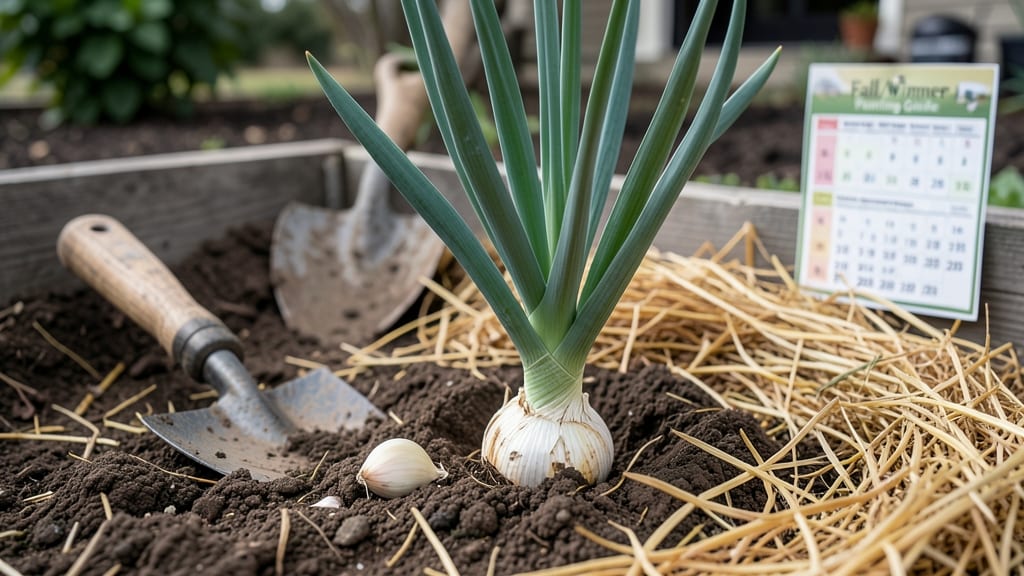
Knowing when to plant garlic in South Texas isn't just about following a calendar—it's about outsmarting the heat to grow plump, flavorful bulbs. Unlike cooler climates, your 9a-10a zone demands precise timing to avoid bolting, where garlic sends up flower stalks instead of storing energy in those prized cloves.
Most gardeners here make one of two mistakes: planting too early and risking heat stress, or waiting too long and ending up with weak harvests.
The sweet spot? October through November, when soil temperatures dip just enough to encourage root growth while keeping tops from wilting in the afternoon sun.
What sets South Texas garlic growing apart is the variety you choose. Hardneck types struggle in this heat, but softneck varieties like 'Silverskin' or 'Artichoke' thrive with proper care.
I'll show you exactly how to prep your soil, select the right cloves, and maintain them through winter—so you can harvest robust bulbs come spring.
Let's dive into the step-by-step schedule that actually works for our climate, including soil prep tricks and mulching strategies to keep your 🧄 happy until harvest time. No more guessing—just reliable, zero-bolt garlic every time.
Optimal South Texas garlic planting dates by variety type
South Texas’s hot, humid climate (USDA Zones 9a-10a) demands precise timing for garlic to thrive. Unlike cooler regions, hardneck varieties often bolt prematurely, while softneck types handle heat better.
The key? Planting 4-6 weeks before the first hard frost—typically mid-October to early November—when soil temps drop below 75°F.
For San Antonio (Zone 8b), aim for late October to avoid winter heat spikes. In Brownsville (Zone 10a), push planting to early November—later than most regions—to escape summer’s intensity. Heat-tolerant varieties like 'Silverskin' and 'Artichoke' are your best bets for South Texas.
Here’s the breakdown: Hardneck garlic (e.g., 'German White') needs cooler temps to form bulbs but bolts faster in heat. Softneck garlic (e.g., 'California Early') handles warmth better but may yield smaller bulbs if planted too late. Elephant garlic (a mild relative) is a forgiving middle ground.
🌱
| Variety Type | Best Planting Window | Heat Tolerance | South Texas Notes |
|---|---|---|---|
| Hardneck (e.g., 'German White') | Late October | Low (bolts in heat) | Risk of bolting; best for cooler microclimates. |
| Softneck (e.g., 'Silverskin') | Early November | High (adaptable) | Top choice for South Texas; stores longer. |
| Elephant Garlic | Mid-October to November | Medium (mild heat) | Forgiving; great for beginners. |
Microclimates matter! Elevated areas (like hilltops) cool faster and may support earlier planting (early October). Low-lying spots near water bodies stay warmer—delay planting until mid-November there. Always test soil temps with a soil thermometer to avoid bolting.
Pro tip: Pre-soak cloves in water for 6 hours before planting to jumpstart root growth in South Texas’s fast-drying soils. Use well-draining soil amended with compost to prevent rot in our humid winters.
For late plantings (December or later), choose fast-maturing varieties like 'California Early' and accept smaller yields. The trade-off? Avoiding bolting entirely in summer’s relentless heat.
🌿
Remember: Garlic in South Texas is a gamble—balance heat tolerance with cool-season growth. The 4-6 week buffer before frost isn’t just a rule; it’s your insurance against bolting and weak harvests.
Step-by-step South Texas garlic planting schedule for zero-bolt results
Now that you’ve picked your variety, let’s map out the exact planting schedule to prevent bolting in South Texas’s heat. The goal? Cool-season growth without summer stress.
Start with soil prep—amend your beds with compost and aged manure to improve drainage, since our clay-heavy soils can trap moisture and invite rot.
Use a soil thermometer to confirm temps are below 75°F before planting. In San Antonio, this usually aligns with mid-October, while Brownsville gardeners should wait until early November. Pre-soak cloves in water for 6 hours to kickstart root growth in our fast-drying soils.
🌱
-
October (Soil Prep)
Test soil pH (6.0–7.0 ideal). Amend with compost and a balanced fertilizer (10-10-10). -
Mid-October (San Antonio) / Early November (Brownsville)
Plant cloves pointy-end up, 2–4 inches deep, 4–6 inches apart in full sun. -
November–December (Mulching)
Apply 3–4 inches of mulch (straw or leaves) to insulate roots and retain moisture. -
January–February (Watering)
Reduce water to every 10–14 days to harden bulbs. Avoid overhead watering to prevent disease. -
March–April (Harvest)
Harvest when lower leaves brown but upper leaves stay green (sign of maturity).
Post-planting, mulch heavily to protect roots from winter heat spikes (common in South Texas). Use straw or pine straw—avoid grass clippings, which mat down and trap moisture. In January–February, reduce watering to every 10–14 days to signal bulbs to mature. Overwatering now leads to soft, weak cloves.
Watch for bolting signs: flower stalks shooting up before March? You’ve planted too early. Late plantings (December+) may yield smaller bulbs but avoid bolting entirely. For these, choose 'California Early'—it matures in 240 days, fitting South Texas’s short cool season.
💧
Pro tip: Shade cloth (30% shade) over beds in spring can buy you 2–3 extra weeks of cool growth. Pair this with drip irrigation to keep soil moisture consistent without wetting foliage. By April, your garlic should be ready—plump, firm, and zero-bolt—if you’ve followed this schedule.
Remember: South Texas garlic rewards patience. The 4–6 week frost buffer isn’t arbitrary—it’s your hedge against bolting and weak harvests in this climate. Stick to the steps, and you’ll pull bold, flavorful bulbs come spring.