
Flowers
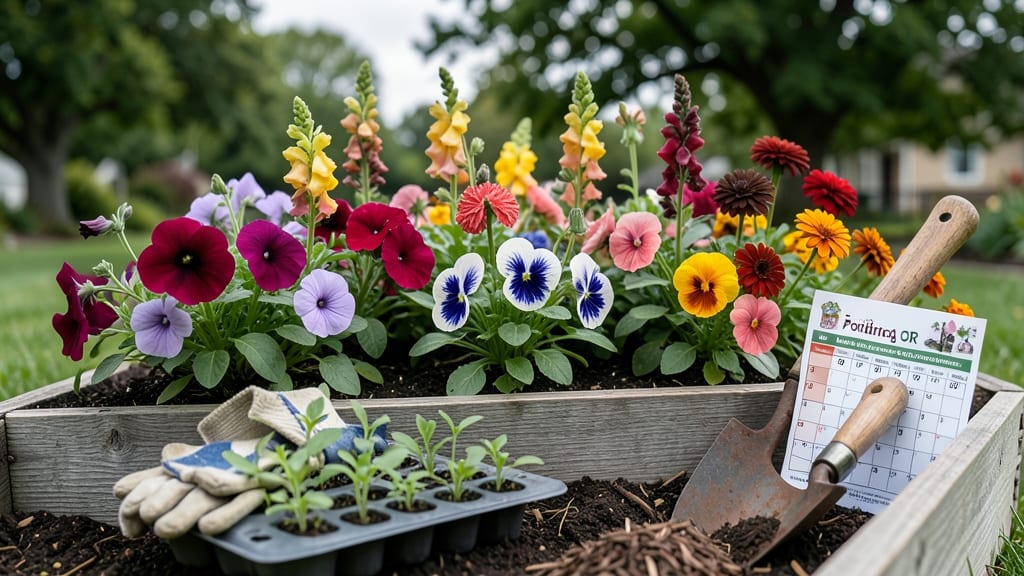
Timing your flowers planting in Portland, Oregon, isn’t just about following a calendar—it’s about outsmarting the city’s quirky microclimates. The westside’s damp chill and the eastside’s dry heat can throw off even the most seasoned gardeners, turning a vibrant bloom into a frost-killed flop.
With last frosts lingering around April 15 and first frosts creeping in by October 15, knowing when to plant isn’t just helpful—it’s essential. Whether you’re nurturing delicate annuals or hardy perennials, the right window can mean the difference between a garden bursting with 🌸 and one struggling to survive.
I’ve dug into Portland’s unique growing conditions—from the rainy westside to the sunbaked eastside—and uncovered the exact months to plant for zero-frost success. Let’s cut through the guesswork and get your flowers thriving, no matter where you live in the city.
Ready to transform your garden? I’ll walk you through the best planting windows, cold-hardy varieties, and pro tips to keep your blooms happy year-round. Let’s get started!
Portland’s 3 microclimates: exact planting months by zone (westside, eastside, and urban heat islands)
Portland’s flower planting calendar isn’t one-size-fits-all—it’s split by three distinct microclimates with 10-day differences in frost dates. The westside (cooler, wetter) freezes later than the eastside (warmer, drier), while urban heat islands (like downtown) can add 2-3 weeks to your growing season.
Knowing your zone saves your tulips from frostbite and your petunias from wilting too soon.
Use these last frost dates as your planting guide:
- Westside: April 20 (coastal influence delays warming)
- Eastside: April 10 (warmer inland soils thaw earlier)
- Urban areas: April 15 (heat islands create pockets of warmth)
For fall planting, aim for September 1–15—earlier on the eastside, later on the westside.
Soil temperature matters more than air temperature. Wait until 50°F (10°C) for spring planting—use a soil thermometer to check.
The westside’s clay soil stays cold longer, while the eastside’s sandy soil warms up faster. Bulbs like daffodils can go in as early as October, but annuals like marigolds need to wait until May.
Here’s how Portland’s microclimates break down for spring planting:
For fall planting, reverse the timeline.
The eastside can handle September 1–15 for cool-season crops like pansies, while the westside waits until September 15–30. Bulbs like crocuses and hyacinths thrive when planted in October, but avoid putting tender annuals in after October 1—they won’t survive Portland’s October 15 first frost.
Pro tip: Check Oregon State University’s frost maps yearly—they update based on 10-year averages. In 2023, the westside saw a 2-week delay in last frost due to La Niña patterns. If you’re unsure, use row covers to protect tender seedlings until May 1.
Urban gardeners have an advantage: concrete and pavement absorb heat, creating microclimates 5–10°F warmer than surrounding areas. Plant heat-loving flowers like sunflowers or black-eyed Susans near south-facing walls to extend your season. Just watch for drought stress—urban areas dry out 30% faster than rural zones.
If you’re in a transition zone (like North Portland), split your planting schedule. Start hardy perennials like lavender in April, then add annuals after May 15. Mulch heavily in fall to insulate roots—3–4 inches of straw or wood chips can add 2–3°F of protection.
Remember: Portland’s rainy springs mean soil stays soggy until May. Amend clay-heavy westside soil with compost and sand to improve drainage, while eastside gardeners should add orgainc matter to hold moisture. Test your soil’s pH—most flowers thrive at 6.0–7.0, but azaleas need 5.0–5.5.
For container gardening, adjust your timeline by 2 weeks. Pots heat up and cool down faster than in-ground beds. Move containers indoors or to a garage if frost is forecasted after October 1. Self-watering pots help prevent root rot during Portland’s wet springs.
How to extend your flower season: cold-hardy varieties and season-starting tricks for Portland gardeners
Portland’s short growing season doesn’t mean you’re stuck with flowers for just a few months. By choosing cold-hardy varieties and using clever season-extending tricks, you can enjoy blooms from early spring through late fall.
The key is selecting plants that thrive in cooler temperatures and protecting tender varieties with simple techniques.
For early spring color, focus on pansies and snapdragons, which tolerate light frosts down to 20°F. These cheerful bloomers can handle Portland’s chilly March mornings while still delivering vibrant displays.
Plant them in late February for a head start, or start seeds indoors in January for even earlier blooms.
🌱
🌿 Season-Extending Tricks for Portland Gardeners
- 🔹 Row Covers: Use lightweight fabric to protect tender plants like petunias and geraniums from late spring frosts. Remove during the day to allow pollination.
- 🔹 Cold Frames: Extend the season by 4-6 weeks for hardy greens and early bloomers like calendula. Place over soil in fall to trap heat.
- 🔹 Indoor Seed-Starting: Kickstart your season by sowing cool-season flowers like stock or lobelia indoors in January. Transplant outdoors after last frost.
- 🔹 Mulching: Apply 3-4 inches of mulch around perennials in fall to insulate roots and protect against winter chill.
- 🔹 Late-Season Planting: Choose frost-tolerant annuals like pansies or violas for fall color. Plant in September for blooms until first frost.
Don’t overlook perennial workhorses like lavender and Russian sage, which thrive in Portland’s dry eastside and coastal westside alike. These drought-tolerant beauties bloom from mid-summer through fall, filling gaps left by early-season annuals.
For late-season blooms, try asters or chrysanthemums, which handle cool fall nights and add color as temperatures drop. Plant them in early summer to give roots time to establish before fall frost arrives.
Pro tip: Pair cold-hardy annuals with evergreen foliage like heuchera or sedum to create year-round interest. This combo ensures your garden stays visually dynamic even when flowers take a break.
☀️