
Plants
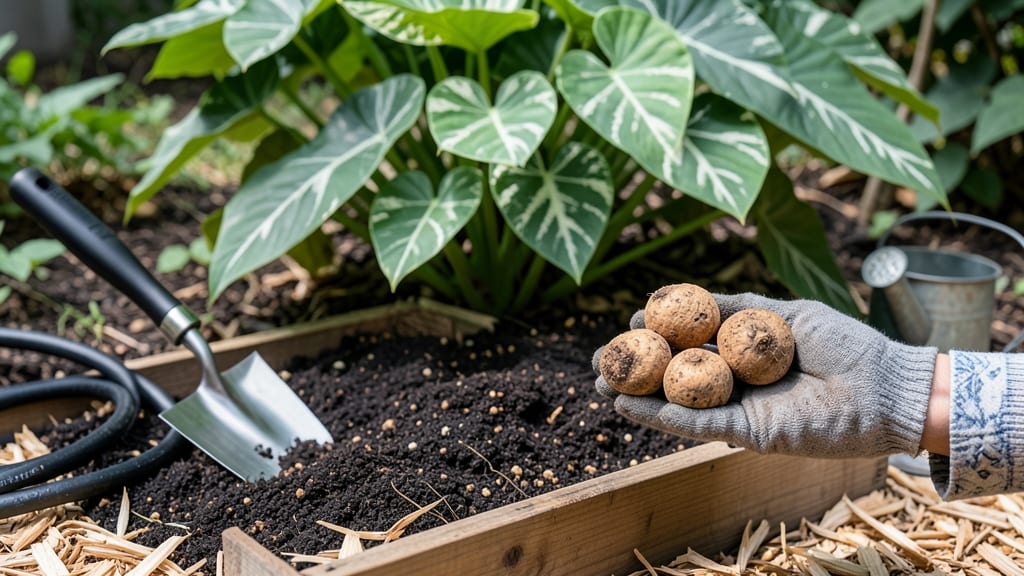
If you're dreaming of vibrant, tropical-looking foliage in your Zone 8 garden, planting caladium bulbs at the right time is everything. These stunning plants—with their heart-shaped leaves in dazzling colors—won’t tolerate cold soil, and getting the timing wrong can mean wilted dreams instead of lush growth.
The key to success isn’t just waiting for spring—it’s tracking soil warmth. Caladiums need temperatures around 60–65°F to thrive, and in Zone 8, that usually means planting after your last frost, typically in March or early April.
But here’s the catch: rushing too soon can stunt their roots, while waiting too long might leave you scrambling as summer heats up.
I’ll walk you through how to time your planting perfectly, from checking soil temperature to adjusting for microclimates in your area. Whether you’re a seasoned gardener or a beginner, these tips will help you avoid common mistakes and get your caladiums off to a flourishing start.
Ready to transform your garden with bold, eye-catching foliage? Let’s dive into the exact steps to plant caladium bulbs at the ideal moment for Zone 8’s climate.
Zone 8 caladium planting timeline: frost-free dates & soil temperature rules
Planting caladium bulbs in Zone 8 hinges on two critical factors: frost-free dates and soil temperature. While Zone 8 rarely sees frost, the real risk is planting too early when cool soil stunts root growth.
Most gardeners in this zone aim for late March to early April, but your exact timing depends on local microclimates and soil warmth.
Start by checking your last frost date, which typically falls around February 15 for most of Zone 8. However, don’t rush—caladiums need 60–65°F soil to thrive. Cold soil slows germination and invites rot. Use a soil thermometer to confirm warmth before planting.
If you’re in cooler subregions of Zone 8 (like the Appalachians), wait until mid-April when soil consistently stays above 60°F. Warmer areas (e.g., southern Georgia or Florida panhandle) can plant as early as late February, but monitor for unexpected chilly snaps.
Pro tip: Container gardening gives you flexibility. Fill pots with warm compost or use a heat mat to raise soil temps faster if your ground stays cool. This is especially useful in elevated or windy areas where soil warms slower.
| Zone 8 Subregion | Ideal Planting Window | Soil Temp Requirement | Key Risk |
|---|---|---|---|
| Northern Zone 8 (e.g., Atlanta, Knoxville) | Late March–Early April | 60–65°F (test with thermometer) | Slow soil warming; rot risk |
| Central Zone 8 (e.g., Birmingham, Charlotte) | Early–Mid April | 60–65°F (consistent for 3+ days) | Late frosts in valleys |
| Southern Zone 8 (e.g., Savannah, Tallahassee) | Late February–March | 55–60°F (warmer soil tolerated) | Heat stress if planted too early |
| Containers (Anywhere in Zone 8) | March–May (flexible) | 60°F+ (use heat mat if needed) | Overwatering in pots |
For container gardeners, the timeline stretches into May because pots warm faster. Just ensure your containers have drainage holes—caladiums hate soggy roots. If you’re unsure about soil temps, plant test bulbs in a small pot first to gauge growth speed.
Remember: Caladiums are tropical and despise cold soil. Even a 50°F soil can delay sprouting by weeks. Use mulch (like straw) to insulate soil and speed up warming. This simple step can shave off critical days in your planting timeline.
Once you’ve nailed the timing and soil temp, focus on well-draining, rich soil mixed with compost. Caladiums reward patience—waiting for the right moment ensures vibrant foliage all season long.
Now that you’ve got the perfect planting window locked in, let’s tackle how to know your soil is truly ready—and what to do if it’s not quite there yet.
Signs your Zone 8 soil is ready for caladium bulbs (and what to do if it’s not)
Your caladium bulbs won’t thrive just because the air feels warm—soil temperature is the true deciding factor for success. In Zone 8, wait until your soil consistently hits 60–65°F at a 4-inch depth.
Use a soil thermometer to check, as surface temps can be misleading. If your soil is still cool, your bulbs may rot before sprouting.
Look for visual cues too: Earthworms are active in warm soil, and damp leaves that dry quickly (not linger) signal good moisture balance. If your soil feels cold or clumpy, it’s not ready yet—caladiums need warmth to germinate. Patience here prevents future struggles.
If your Zone 8 microclimate runs cooler (like near water or shaded areas), opt for container planting with heat-retaining pots. Fill containers with well-draining potting mix and place them in sunny spots to mimic ideal conditions. Containers also let you move plants indoors if late-season chills threaten.
For slow-warming soils, try these tricks: Cover beds with clear plastic for 1–2 weeks to trap heat, or plant in raised beds that warm faster. Avoid amending soil with fresh manure—it can overheat roots and attract pests. Instead, mix in composted organic matter for gentle warmth.
Once your soil is ready, test drainage by digging a hole and filling it with water. If it drains within 30 minutes, your soil is perfect. If not, amend with perlite or sand to prevent waterlogged roots. Well-draining soil is non-negotiable for caladiums—they hate soggy feet!
Finally, time your planting with local humidity trends. In Zone 8’s drier months (late spring), mulch heavily to retain moisture. If rain is forecast, hold off until skies clear—waterlogged soil at planting time can smother bulbs before they sprout.
Aim for dry, warm soil on planting day for the best start.