
Plants
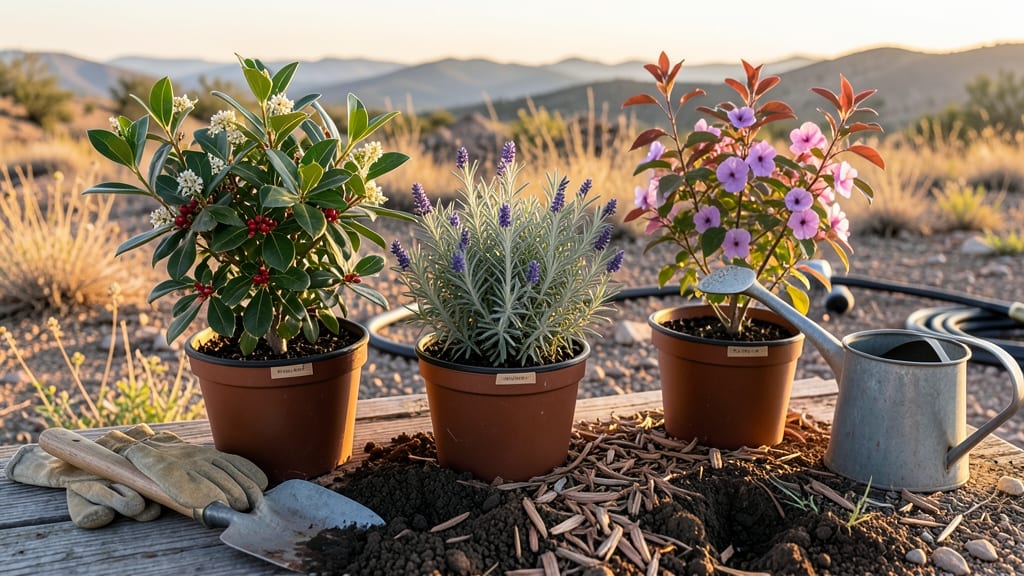
Timing your bush planting in Texas isn’t just about picking a month—it’s about outsmarting the state’s brutal heat, unpredictable freezes, and soil quirks that can make or break your landscape. Get it wrong, and your 🌿 shrubs might spend years struggling instead of thriving.
Texas’s 8a-10b zones mean your North Texas neighbor’s perfect planting window could backfire in South Texas. The key? Understanding when to plant in fall (September-October) for cooler roots or spring (February-March) to beat the summer scorcher—plus how to prep soil and water like a pro.
I’ve seen firsthand how a 30-day difference can turn a lush crape myrtle into a sad, wilted stick. Whether you’re in Dallas or Houston, we’ll break down the exact months to plant, regional adjustments, and how to keep your bushes happy year-round.
Ready to stop guessing and start growing? Let’s dive into the heat-zone timeline that’ll have your landscape looking like a pro’s in no time.
Texas heat zones explained: best planting months by region
Texas isn’t one-size-fits-all when it comes to planting bushes. The Lone Star State spans USDA Hardiness Zones 7a to 10b, meaning North Texas freezes can kill tender plants while South Texas stays warm year-round.
Even within regions, microclimates—like urban heat islands—change planting windows. Let’s break down the 10 Texas heat zones (A-K) and the best months to plant bushes in each.
Most Texas gardeners follow a simple rule: Plant in fall or spring. Fall planting (September-October) gives roots time to establish before summer heat, while spring planting (February-March) avoids winter stress.
However, South Texas (Zones 9-10) can plant year-round with minimal frost risk, while North Texas (Zones 7-8) must time plantings carefully to avoid late frosts.
Here’s how to match your location to the ideal planting window for evergreen, deciduous, and flowering bushes:
| Zone | Region | Ideal Planting Months | Avoid Planting | Key Adjustments |
|---|---|---|---|---|
| A (7a) | North Texas (Panhandle) | Late March–April | November–February | Wait for soil temps >50°F |
| B (7b) | North Texas (Dallas/Fort Worth) | September–October or March | December–February | Mulch heavily for winter |
| C (8a) | Central Texas (Austin) | September–October or February | November–January | Avoid summer planting |
| D (8b) | East Texas (Tyler) | September–November or February | December–January | Watch for late spring frosts |
| E (9a) | South Texas (San Antonio) | September–October or March | June–August | Plant in shade for summer |
| F (9b) | Gulf Coast (Houston) | Year-round (best in fall) | None (but avoid peak summer) | Use shade cloth for young plants |
| G (10a) | Rio Grande Valley | Year-round (fall preferred) | None | Water deeply in summer |
🌡️ Pro Tip: Use Texas A&M’s Planting Calendar for your exact ZIP code.
For North Texas (Zones 7-8), timing is critical. Plant deciduous bushes like crape myrtles in September-October to avoid winter dieback, while evergreens like yaupon holly can handle February planting if protected from late frosts.
In Central Texas (Zone 8a), spring planting (February-March) works for most bushes, but fall is safer for heat-sensitive varieties like hydrangeas.
In South Texas (Zones 9-10), the rules relax.
You can plant year-round, but fall (September-October) is still ideal for establishing roots before summer heat. Urban areas like Houston may need shade cloth for young plants during peak summer (June-August), while rural South Texas can handle full sun year-round for drought-tolerant bushes like Texas sage.
Microclimates matter too. A north-facing yard in Zone 8b might stay cooler, allowing earlier spring planting, while a south-facing slope in Zone 9a can bake young plants—so delay planting until late spring.
Always check local frost dates (e.g., North Texas: last frost ~March 15, South Texas: rare) and adjust accordingly.
One critical exception: Bare-root bushes (like roses or fruit bushes) must be planted in dormant season (winter or early spring) to avoid transplant shock. For container-grown bushes, fall or spring works, but avoid summer heat stress.
Finally, soil prep varies by region. North Texas soils are often clay-heavy and alkaline, needing compost and sulfur, while South Texas
How to avoid common Texas planting mistakes that kill bushes
Planting bushes in Texas is easy to mess up—especially when you’re racing against 100°F summers and unpredictable freezes. I’ve seen gardeners spend hours planting only to watch their shrubs wilt because they ignored soil prep or watered at the wrong time.
Let’s fix that with the top mistakes and how to avoid them.
First, planting too early in spring (before last frost) or too late in fall (after first frost) stresses bushes. In North Texas, that means avoiding March-April plantings unless you’re in Zone 9+. South Texas gardeners? Skip January plantings—the heat arrives fast.
Another killer mistake is skipping soil testing. Texas soil is often alkaline and clay-heavy, which can suffocate roots. Always test your soil’s pH (aim for 6.0-7.0) and amend with compost or sulfur if needed. I’ve seen bushes thrive after just 2 inches of compost mixed into the topsoil.
⚠️ Callout Warning: Texas Planting Pitfalls
Mistake: Planting during peak summer heat (June-August).
Why it fails: Young roots can’t establish in 100°F+ soil, leading to shock or death.
Fix: Wait for fall (Sept-Oct) or early spring (Feb) when temps are milder.
Mistake: Overwatering newly planted bushes.
Why it fails: Soggy soil drowns roots and invites fungal diseases like root rot.
Fix: Water deeply once after planting, then every 7-10 days until established.
Mistake: Ignoring mulch in Texas heat.
Why it fails: Without mulch, soil loses moisture fast and fluctuates wildly in temperature.
Fix: Apply 3 inches of mulch (pine straw or shredded bark) to retain moisture and cool roots.
Don’t forget watering schedules. Many gardeners overwater in spring but underwater in summer. Bushes need 1-2 gallons per week in cooler months, but deep watering every 3-5 days during summer. I use a soaker hose to deliver water slowly at the base.
Lastly, pruning at the wrong time can weaken bushes. Never prune in late summer (August-September)—this encourages tender new growth that won’t survive winter. Instead, prune right after flowering (for spring bloomers) or late winter (for fall/winter bloomers).
By avoiding these mistakes, your bushes will establish strong roots, survive Texas extremes, and thrive for years. Next up: the top 5 bushes that handle our heat like pros!