
Plants
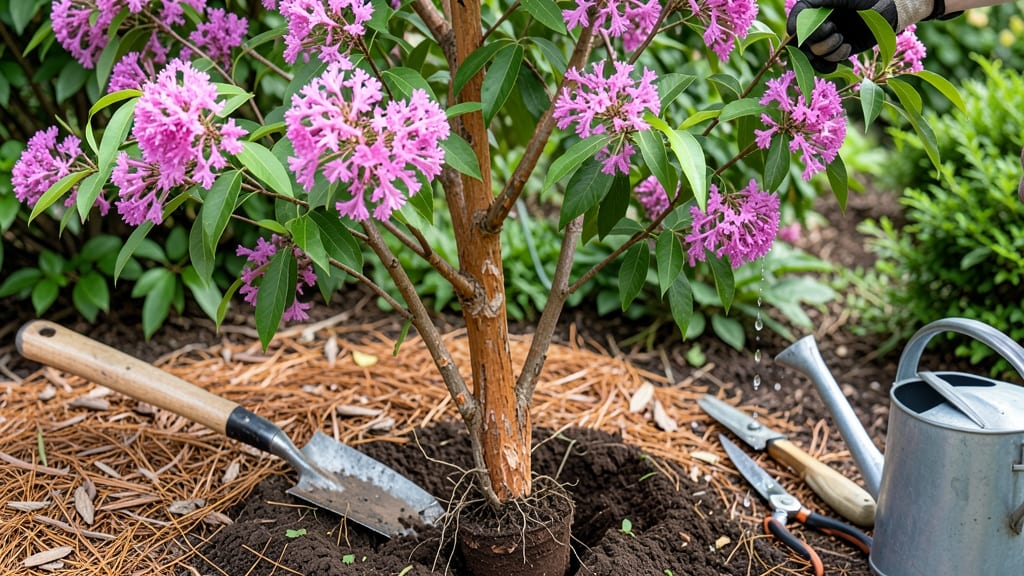
Planting your Crape Myrtle 🌸 at the wrong time in Texas could mean the difference between a stunning shade tree and a sad, struggling shrub. With temperatures swinging from freezing in North Texas to scorching 100°F+ in the Hill Country, timing matters more than you might think.
Most Texas gardeners swear by late winter to early spring as the sweet spot, but that’s not the whole story. Fall planting actually gives your 🌸 Crape Myrtle a head start before summer’s heat arrives—just don’t wait too late.
I’ll break down the exact windows for your region, plus pro tips to keep your new tree thriving through Texas’ brutal summers.
Whether you’re planting bare-root saplings or container-grown specimens, we’ll cover soil prep, watering schedules, and mulching tricks to lock in success. Spoiler: The key isn’t just when you plant—it’s how you prep the ground and protect those roots from Texas’ infamous heat stress.
Ready to avoid the common mistakes that kill Crape Myrtles in Texas? Let’s dive into the science-backed planting calendar that’ll have your tree blooming like a pro by next summer.
Texas Crape Myrtle planting windows by heat zone (avoid frost & heat stress)
Texas’ diverse climate—from North Texas’ chilly winters to South Texas’ scorching summers—means crape myrtle planting timing varies dramatically by region. The USDA hardiness zones 8a-10b cover Texas, but local microclimates create even more nuance.
Planting too early risks frost damage, while late planting stresses young roots in summer’s 100°F+ heat. Let’s break down the perfect windows for each zone.
For North Texas (Zones 7b-8a), aim for late March to early April after the last frost (usually February 15).
In Central Texas (Zones 8a-8b), the window shifts to mid-March to mid-April, while South Texas (Zones 9a-10b) gardeners can plant as early as February or even late fall (October-November) to avoid summer heat stress.
Fall planting is ideal for South and Central Texas—September-October gives roots time to establish before winter dormancy. In North Texas, fall planting risks early frosts, so late September is the cutoff. Always check your local frost dates via the Texas A&M AgriLife Extension or Almanac for precision.
Here’s how to align your planting with Texas’ three key regions:
| Region | USDA Zone | Best Planting Window | Last Frost Date | Key Risk |
|---|---|---|---|---|
| North Texas | 7b-8a | Late March–Early April | Feb 15 | Late frost |
| Central Texas | 8a-8b | Mid-March–Mid-April | Mar 15 | Heat stress |
| South Texas | 9a-10b | Feb–Early March OR Sept–Oct | Jan 15 | None (frost-free) |
Pro tip: Use bare-root crape myrtles in spring for faster establishment, or container-grown plants in fall to avoid transplant shock. Both options thrive in Texas’ well-draining soil, but amend clay-heavy soils with compost or sand to prevent root rot.
For container planting, Texas’ hot summers mean you’ll need large pots (15+ gallons) with drainage holes. Water daily for the first week after planting, then taper to every other day once established. Mulch with 2-3 inches of wood chips to retain moisture and regulate soil temperature.
After planting, monitor for yellowing leaves (overwatering) or wilting (underwatering). Crape myrtles are drought-tolerant once established, but young trees need consistent moisture. In North Texas, a light frost cloth can protect newly planted trees if late frosts linger.
Remember: Texas’ heat is unforgiving. Planting at the right time ensures your crape myrtle grows into a low-maintenance, long-lived centerpiece that blooms reliably year after year. 🌸
Texas Crape Myrtle planting windows by heat zone (avoid frost & heat stress)
Texas spans USDA zones 8a through 10b, meaning your 🌸 Crape Myrtle planting window varies dramatically from the Panhandle to South Texas. In North Texas (zones 7b-8a), you’ll need to wait until March 15 to avoid late frosts that can kill tender roots.
Meanwhile, South Texas (zones 9a-10b) gardeners can plant as early as February 1—just time it to beat the summer heatwave.
The golden rule? Plant when soil temps hit 60°F+ and stay above 50°F for 10+ days. This usually lands in late February to early April for spring or September to early October for fall.
Fall planting gives roots time to establish before summer’s brutal heat, while spring planting avoids winter dormancy stress.
Here’s the breakdown by Texas region—use this as your planting calendar to maximize survival rates:
| Region | USDA Zone | Best Planting Window | Key Consideration |
|---|---|---|---|
| North Texas | 7b-8a | March 15 - April 15 | Wait for last frost (avg. March 15) |
| Central Texas | 8a-8b | February 28 - April 1 | Soil must stay above 60°F for 10+ days |
| Hill Country | 8b-9a | February 15 - March 31 | Drought risk—water deeply after planting |
| East Texas | 8a-9a | March 1 - April 15 | Humidity increases fungal risk—amend soil with compost |
| South Texas | 9a-10b | February 1 - March 15 | Beat summer heat—plant by March 15 max |
Fall planting (September-October) works too—just schedule it 4-6 weeks before your first frost. In North Texas, that’s October 15; in South Texas, you’ve got until November 15. The goal? Let roots establish before winter dormancy kicks in.
Container planting extends your window slightly—you can plant 2-3 weeks earlier since pots warm up faster. Just move containers to protected spots if frost threatens. For in-ground plantings, mulch heavily (3-4 inches of wood chips) to regulate soil temps and retain moisture during Texas’ 100°F+ summers.
Remember: Crape Myrtles hate soggy roots. Amend your soil with compost or sand for drainage, especially in clay-heavy Texas soils. A well-draining hole (twice as wide as the root ball) is non-negotiable—poor drainage = root rot = dead tree.