
Plants
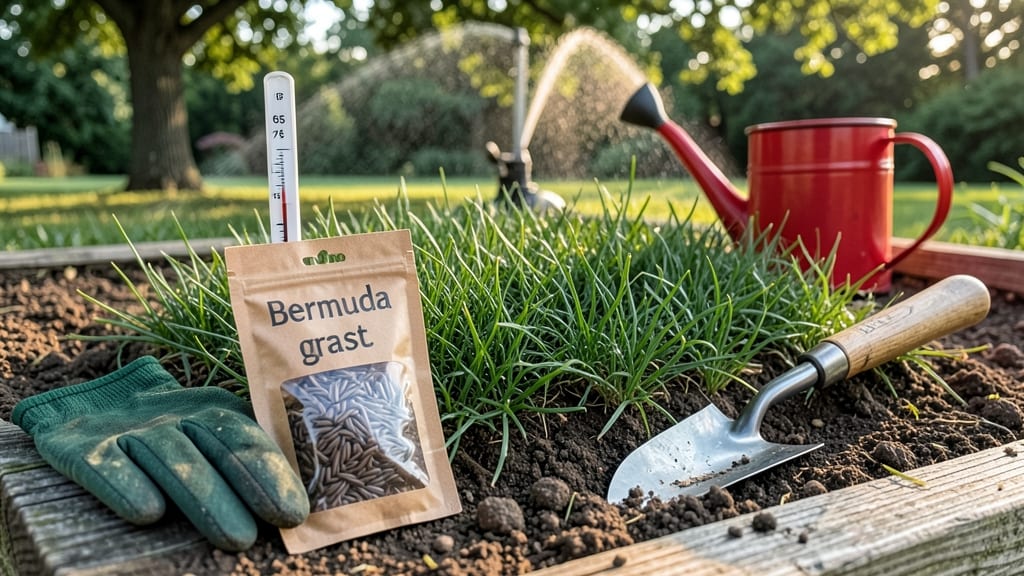
Timing your Bermuda Grass seed planting in North Texas isn’t just about the calendar—it’s about beating the heat before it beats your lawn. Plant too early, and frost can wipe out your efforts; too late, and summer’s brutal sun will slow germination to a crawl.
The late April to early June window exists for a reason, and missing it could mean thinner grass or wasted seeds.
If you’ve ever stared at your bare patches wondering why your Bermuda Grass isn’t taking hold, you’re not alone. The key lies in soil temperatures—waiting until they hit 65°F or higher ensures your seeds germinate fast, not fade.
In USDA Zone 8a, this means aligning with North Texas’s last frost date (around March 15) while avoiding the scorching peak of summer.
What you’re about to discover isn’t just a planting schedule—it’s a heat-zone strategy tailored to your region. Whether you’re in Dallas, Lubbock, or the Panhandle, we’ll break down the exact conditions that make the difference between a lush lawn and a patchy disappointment.
Ready to turn your yard into the envy of the neighborhood? Let’s get started.
From soil prep to irrigation hacks, I’ll walk you through every step to ensure your Bermuda Grass sprouts quickly and stays resilient all season. No more guessing games—just proven techniques to outsmart North Texas’s climate. Your perfect lawn starts with the right timing, and we’ve got the details.
North Texas heat-zone planting dates for Bermuda seed germination
Planting Bermuda grass seed in North Texas requires precise timing to avoid frost damage or summer drought stress. The ideal window spans from late April to early June, when soil temperatures consistently stay above 65°F.
This aligns with USDA Zone 8a and North Texas' 220 frost-free days, ensuring optimal germination before summer heat peaks.
In Dallas-Fort Worth, aim for mid-April to early June—this region’s last frost typically occurs around March 15, but seedlings need stable warmth. Meanwhile, Wichita Falls and the Panhandle can plant slightly later, around late April to mid-June, due to their earlier spring warming trends.
Bermuda grass thrives in full sun (6+ hours daily), but seedling establishment hinges on soil conditions. Plant too early, and frost risks linger; too late, and summer drought stunts growth. The Texas A&M AgriLife Extension confirms these windows balance heat tolerance with sufficient moisture for young roots.
Here’s a quick reference for North Texas regions and their optimal planting windows:
| Region | Best Planting Window | Soil Temp Threshold | Key Consideration |
|---|---|---|---|
| Dallas-Fort Worth | Mid-April to Early June | 65°F+ consistently | Avoid late frost; water deeply |
| Wichita Falls | Late April to Mid-June | 65°F+ consistently | Drier climate; monitor moisture |
| Panhandle (Amarillo) | Late April to Early June | 68°F+ consistently | Windier; protect seedlings |
For Dallas-Fort Worth, late April is ideal—soil warms quickly, and rainfall increases to support germination. In Wichita Falls, prioritize early June if April planting risks drought. The Panhandle should wait until late April to avoid windburn on tender seedlings.
Use a soil thermometer to confirm temperatures before planting. Bury it 2 inches deep and wait until readings stay above 65°F for 3+ days. This ensures rapid germination within 7–14 days.
Miss the spring window? Bermuda grass can also be planted in early fall (September), but growth slows as temperatures drop. Spring planting yields thicker, more drought-resistant turf by summer’s end.
Pro tip: Mark your calendar for May 15 as the absolute last safe date in most of North Texas. After this, summer heat and drought stress make germination difficult without extra care.
Once planted, Bermuda grass spreads aggressively via stolons and rhizomes, filling bare spots by midsummer. But timing is everything—plant too late, and you’ll battle weeds and heat stress for months.
North Texas heat-zone planting dates for Bermuda seed germination
North Texas’s USDA Zone 8a climate means your Bermuda Grass seed success hinges on precise timing. Planting too early risks frost damage, while late planting lets summer heat stall germination.
The ideal window—late April to early June—balances soil warmth and moisture, giving seeds the best shot at thriving before the brutal Texas sun peaks.
Your exact planting date depends on your region. Dallas-Fort Worth’s warmer microclimate allows earlier sowing (late April), while Lubbock’s higher elevation may push ideal timing to early May. The Panhandle’s cooler nights demand waiting until late May to avoid frost surprises.
Always check your local last frost date (around March 15) and add 6-8 weeks for safe germination.
| Region | Optimal Planting Window | Soil Temp Threshold | Key Consideration |
|---|---|---|---|
| Dallas-Fort Worth | Late April - Mid-May | 65°F+ consistently | Warmer nights speed germination |
| Wichita Falls | Early May - Early June | 68°F+ consistently | Higher elevation delays warming |
| Panhandle (Amarillo) | Late May - Early June | 70°F+ consistently | Cooler nights require later start |
Don’t rely solely on dates—use a soil thermometer to confirm temperatures. Bury it 2 inches deep and wait until readings hit 65°F+ for 5+ days. In North Texas, this typically aligns with late April for southern areas but can stretch into June for northern regions.
Pro tip: Test your soil in the late afternoon when temperatures peak for the most accurate reading.
Regional variations matter more than you might think. For example, Lubbock’s dry climate demands extra soil moisture prep, while Dallas’s humidity can accelerate fungal risks if seeds aren’t spaced properly. Always adjust your approach based on your specific microclimate—even neighborhoods just miles apart can have different ideal planting times.
Timing isn’t just about when you plant—it’s about preparing your soil weeks in advance. Start testing your soil’s pH (6.0-7.0 ideal) and drainage in March. Compacted soil or poor drainage will choke your Bermuda Grass before it even sprouts.
Aerate in late winter to break up thatch and improve seed-to-soil contact, which is critical for fast germination in North Texas’s competitive growing conditions.
Remember: Bermuda Grass thrives on speed. The faster it establishes, the better it resists summer drought. By planting within this heat-zone window, you’re not just following a schedule—you’re giving your lawn the competitive edge it needs to outlast North Texas’s brutal summers.
Your goal? A dense, drought-resistant turf by July. Start now, and you’ll be mowing a lush carpet in no time.