
Plants
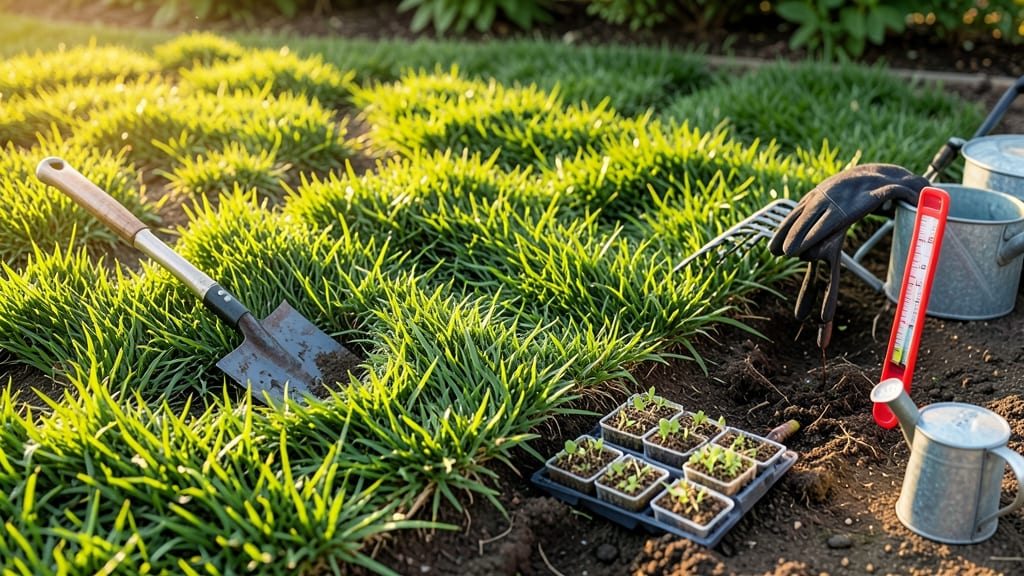
If you’ve ever stared at your patchy lawn and wondered when to plant Bermuda grass in North Georgia, timing is the game-changer you’re missing. This fast-growing grass thrives in the heat, but get it wrong, and you’ll end up with weak growth—or worse, a total flop.
The key? Planting when soil temperatures hit 65°F or warmer, typically mid-April in most of the state.
North Georgia’s 7a-8a climate zones mean you’ve got a narrow window to work with—late spring to early summer is your best bet. Whether you’re seeding or laying sod, rushing the process can leave your lawn vulnerable to frost, while waiting too long risks stunted growth before winter sets in.
Let’s break down the exact schedule to ensure your Bermuda grass takes off like a rocket.
You might assume all of North Georgia follows the same rules, but microclimates matter. Atlanta’s urban heat can push your planting window earlier, while the Blue Ridge Mountains might delay it by weeks.
We’ll cover how to adjust for your specific location, so you’re not guessing whether your grass will survive the first frost or not.
Once you’ve got the timing down, the real work begins—prepping your soil, watering right, and keeping up with maintenance. But don’t worry, I’ll walk you through every step to make sure your lawn doesn’t just survive the summer—it dominates it. Let’s get started.
Best planting windows for Bermuda grass in North Georgia’s climate zones
North Georgia’s USDA Zones 7a-8a create a perfect climate for Bermuda grass, but timing is critical to avoid frost damage or weak establishment. The ideal window spans from late spring to early summer, when soil temperatures consistently stay above 65°F—a trigger for seed germination and sod rooting.
For seeds, aim for mid-April to early June in most of North Georgia.
This aligns with the last frost date (mid-April) and ensures your grass has 8-10 weeks of warm weather to establish before dormancy. Sod, which germinates faster, can be laid until late June in lower elevations like Atlanta.
Higher elevations, like the Blue Ridge Mountains, have cooler microclimates. Here, delay planting until late May to avoid early fall frosts. Use a soil thermometer to confirm temperatures are stable at 75°F+—this is your green light to plant.
Fall planting is not recommended for Bermuda grass in North Georgia. While some grasses thrive with fall sowing, Bermuda’s warm-season nature means it won’t establish roots before winter dormancy. If you’re overseeding, wait until late August for a light application of seed, but expect minimal success compared to spring.
Here’s how North Georgia’s microclimates affect planting windows:
| Region | Ideal Planting Window | Soil Temp Trigger | Key Consideration |
|---|---|---|---|
| Atlanta & Western GA | Mid-April to early June | 65°F+ | Longer growing season; sod can go until late June |
| North GA (Dahlonega, Blue Ridge) | Late May to early June | 70°F+ | Cooler nights; prioritize seed over sod |
| Valley Areas (Dalton, Rome) | Early April to late May | 65°F+ | Warmer microclimate; earlier start possible |
If you’re planting Bermuda grass seeds, choose a warm, sunny day with no rain forecasted for 24 hours. This reduces the risk of seed washout and ensures even moisture distribution. For sod, lay it on a cool, overcast day to minimize stress on the roots.
Pro tip: If your spring is unusually late (like 2022’s cold snap), consider using black plastic mulch to warm the soil 2-3 weeks earlier. Lay it down in early April and remove it just before planting to create a microclimate that mimics summer conditions.
Monitor your lawn’s progress with weekly checks. Within 7-10 days of planting, you should see sprouts if conditions are ideal. If germination stalls after 2 weeks, adjust your watering schedule or check for soil compaction.
Remember: Bermuda grass is aggressive and will spread quickly once established. Plan your planting window to give it at least 60 days of growth before the first frost (mid-October in North Georgia). This ensures a dense, resilient lawn that outlasts winter.
🌱
Best planting windows for Bermuda grass in North Georgia’s climate zones
North Georgia’s USDA Zones 7a-8a create a unique challenge for Bermuda grass planting—too early, and frost zaps your seedlings; too late, and your lawn won’t establish before winter dormancy.
The golden window is when soil temperatures hit 65°F+, typically mid-April to early June, but microclimates like the Blue Ridge Mountains may delay planting by 2-3 weeks compared to Atlanta.
Bermuda grass thrives in full sun (6+ hours daily), but North Georgia’s humid summers demand precise timing. Planting after May 15th risks heat stress, while seeding before soil reaches 75°F slows germination. For sod installation, aim for late spring (May-June) when roots can establish before summer’s peak.
| Zone/Region | Ideal Planting Window | Soil Temp Trigger | Key Consideration |
|---|---|---|---|
| Atlanta (Zone 7b-8a) | Mid-April to early June | 65°F+ (consistent) | Early spring rains aid germination |
| Blue Ridge Mountains (Zone 7a) | Late April to mid-June | 70°F+ (soil warms slower) | Higher elevations delay frost-free dates |
| Northwest GA (Zone 7b) | Early May to late June | 68°F+ (moderate climate) | Drier soils may need pre-watering |
For seed planting, aim for late April to May when nighttime temperatures stay above 55°F. Seeds need consistent moisture to germinate, so plan for daily watering until sprouts appear (typically 7-14 days).
If using sod, late May to early June ensures roots establish before summer’s heat stress.
Pro tip: Use a soil thermometer to confirm 65°F+ soil temps before planting. In Zone 7a areas, wait until after May 1st to avoid late frosts. Bermuda grass dormant in winter, so fall planting is not recommended—focus on spring for full-season growth.
Adjust for early/late springs: If your area had a warm March, you can plant 2 weeks earlier. Conversely, a cool April may delay planting by 3 weeks. Always check local frost data from the NOAA or your county extension office for precise timing.
Remember: Bermuda grass is aggressive and spreads via stolons/rhizomes. Planting too late risks weak establishment before winter dormancy. For fastest results, prioritize May planting when soil and air temps align perfectly for growth.