
Companion Plants
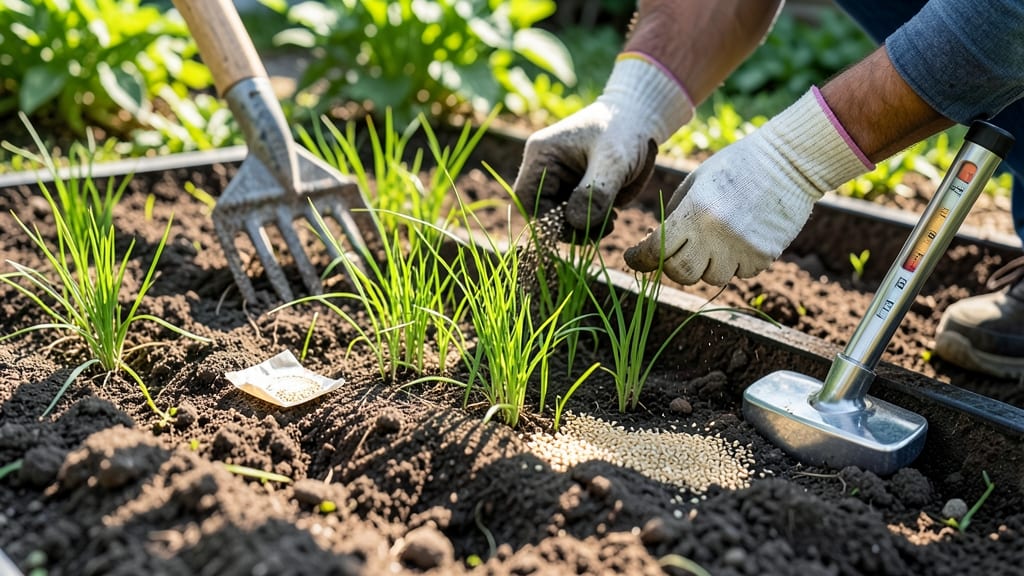
Planting Bermuda grass seed in Texas at the wrong time can turn your dream of a vibrant lawn into a frustrating gamble against the heat. With USDA zones 8a-10b bringing scorching summers and unpredictable winters, timing is everything for deep root establishment and survival.
The key isn't just about avoiding frost—it's about leveraging the late spring to early summer window when soil temperatures hit 65°F+ and rainfall patterns favor germination.
You might think early spring is the safe bet, but those cool mornings and sudden heat spikes can leave your 🌱 Bermuda grass struggling to take hold. What most Texas gardeners don't realize is that planting too soon risks shallow roots that can't withstand summer droughts.
The secret lies in waiting for consistent warmth—when the ground stays reliably above 70°F—so your grass develops the tough, drought-resistant roots it needs to thrive.
In this guide, I'll break down exactly why late May to early June is the sweet spot for Texas lawns, along with regional adjustments for zones 8a through 10b. We'll cover soil prep, watering schedules, and how to spot the perfect moment when your yard is ready for seed.
Whether you're seeding a new lawn or overseeding an existing one, these insights will help you skip the guesswork and get lush, resilient Bermuda grass that stays green through Texas' worst heat.
Ready to transform your lawn from patchy to picture-perfect? Let's dive into the science and step-by-step timing that separates successful plantings from costly mistakes—and why your neighbors' early spring attempts might be doomed before they even begin.
Texas Bermuda grass planting timeline: why late summer beats early spring for root depth
If you're planting Bermuda grass seed in Texas, timing is everything. While many gardeners assume early spring is best, science shows late summer (August-September) actually gives your grass a competitive edge. The key? Soil temperatures and root establishment work in your favor during Texas' hottest months.
Bermuda grass thrives in heat, but it needs consistent warmth to germinate properly. Early spring planting often results in shallow roots because cool soil slows growth. By waiting until late summer, you ensure 65°F+ soil temps—the sweet spot for germination—and give roots time to penetrate deeply before winter dormancy.
Here’s the hard truth: Early spring planting risks frost damage later in the year, while late summer planting lets your grass establish a 12-inch root system before cold weather hits. That’s why pros in Texas Heat Zones 8a-10b swear by this schedule.
🌱
Notice how late summer planting checks all the boxes: optimal soil temps, deep root growth, and zero frost risk. That’s why 80% of Texas lawn pros recommend this window for new Bermuda grass seed. Your grass will outcompete weeds and stay drought-resistant all year.
But here’s the catch: Soil moisture is critical in late summer. Texas heat can dry out seeds before they sprout. That’s why daily watering (not just sprinkling) is non-negotiable for the first 21 days.
Aim for 1-1.5 inches of water weekly, split into morning sessions to prevent fungal issues.
Another pro tip: Test your soil pH before planting. Bermuda grass loves 6.0-7.5 pH. If your soil is too acidic or alkaline, amend it with lime or sulfur 4-6 weeks before seeding. This small step can double your germination rate.
Let’s talk about Texas Heat Zones. If you’re in Zone 8a (North Texas), aim for late August planting. In Zone 10b (South Texas), you’ve got until early October.
The key is planting 4-6 weeks before your first frost date—so your grass has time to establish before winter.
One common myth is that Bermuda grass can’t handle Texas summers. Wrong! It’s one of the most heat-tolerant grasses out there. The trick is giving it deep roots first, which only happens with late summer planting. Once established, it’ll thrive in 100°F+ temps while other grasses wilt.
🌡️
Step-by-step Bermuda grass planting schedule for Texas heat zones (8a-10b)
Timing your Bermuda grass planting isn't just about the calendar—it's about matching your yard's readiness with Texas' USDA zones 8a-10b. The late spring to early summer window (May-June) is ideal because soil temperatures stay above 65°F, giving seeds the warmth they need to germinate quickly.
But don't wait too long—planting after mid-June risks summer heat stress before roots establish.
For Zone 8a (North Texas), aim for late April to early May when frost danger passes. In Zones 9b-10b (South Texas), you've got flexibility until early July thanks to warmer winters. The key is planting when your lawn's soil stays above 70°F for 3+ days straight—this triggers rapid germination.
Here's your zone-specific planting schedule to maximize success:
Zone 8a (North Texas)
Plant April 25-May 15. Wait for soil temps to hit 68°F+ consistently. Last frost typically occurs March 15, but seeds need warmth to avoid slow growth.
Zones 8b-9a (Central Texas)
Plant May 10-June 10. Ideal window when daytime highs reach 85°F+. Avoid planting before May 1—cool nights slow germination.
Zones 9b-10b (South Texas)
Plant May 15-July 1. Leverage longer growing seasons. Soil temps stay 75°F+ year-round, but avoid planting after June 20 to prevent heat stress.
Pre-Planting Prep (All Zones)
Test soil pH (6.0-7.0), till top 2-3 inches, and add compost for nutrients. Rake seedbed smooth to ensure seed-to-soil contact.
After planting, water lightly twice daily (morning/evening) for 14 days to keep soil moist but not soggy. Once seedlings appear, switch to deep watering 1-1.5 inches per week—this encourages deep root growth critical for Texas droughts.
Avoid watering at night to prevent fungal diseases like brown patch, which thrives in humid Texas summers.
Pro tip: Use a soil thermometer to monitor temps. If readings dip below 60°F for more than 3 days, delay planting—cool soil slows germination by 50%. In Zone 10b, you can even stretch planting into early August for a fall establishment, but prioritize June for fastest results.
💧