
Plants
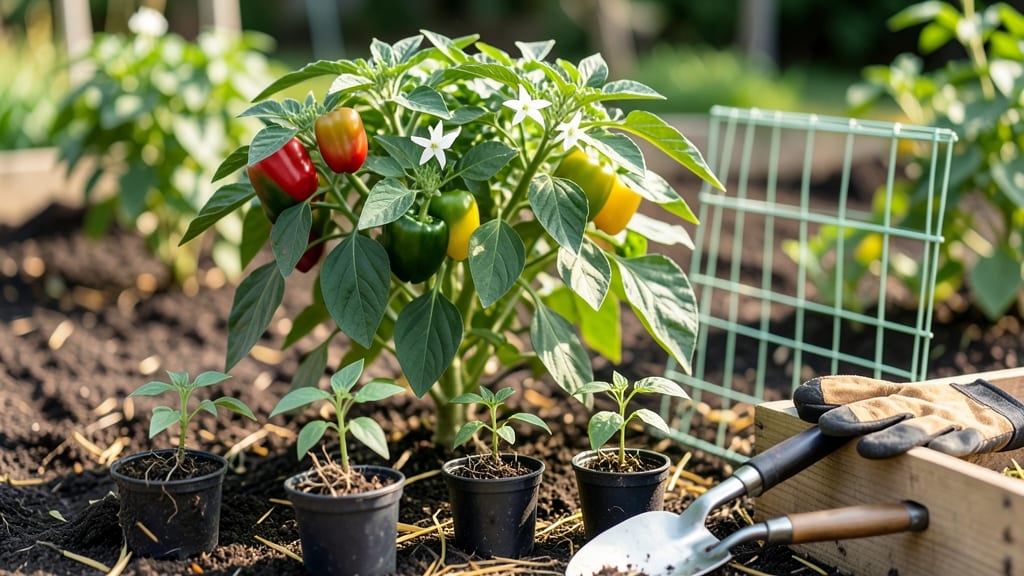
When to plant bell peppers in California isn’t just about the calendar—it’s about mastering your microclimate. Whether you’re in foggy coastal zones or the sunbaked Central Valley, planting too early or late can mean the difference between a bumper crop and a sad, wilted garden.
I’ve grown bell peppers across California’s diverse zones, and the key is knowing when soil warms to 60°F+—not just the month. Coastal gardeners in USDA Zones 9-10 should wait until March-May, while desert growers in Zone 11 can start as early as February.
Get this wrong, and you’ll fight pepper weevils or watch your plants bolt before fruiting.
In this guide, I’ll break down the exact planting windows for your region, plus how to adjust for early vs. late varieties.
You’ll learn when to start seeds indoors, how to spot critical mistakes (like planting in cold coastal soil), and a month-by-month calendar to keep your peppers thriving from June through October.
Ready to grow juicier, more abundant bell peppers? Let’s dive into the region-specific timing that’ll make your harvest the envy of the neighborhood.
Optimal bell pepper planting dates by California region (coastal vs inland)
California’s microclimates create dramatic differences in bell pepper planting success. Coastal areas like San Francisco and Santa Barbara experience cool, foggy springs, while inland valleys like Sacramento and Bakersfield warm up faster.
Timing your pepper transplants to match your region’s soil temperature and frost-free window is key to avoiding stunted growth or failed crops.
Most of California (USDA Zones 9-11) has no frost risk, but coastal fog can delay planting by 2-4 weeks compared to inland areas.
For example, Los Angeles gardeners can start in late February, while San Francisco residents should wait until mid-March to avoid chilly soil that slows germination. Desert regions like the Imperial Valley can plant as early as January due to year-round warmth.
Here’s how to align your bell pepper planting with California’s regional heat maps:
| Region | Ideal Planting Window | Soil Temp Requirement | Key Microclimate Note |
|---|---|---|---|
| Coastal (SF, LA, Santa Barbara) | Mid-March to early May | 60°F+ (use row covers for early starts) | Fog delays warming; wait for consistent 65°F days |
| Central Valley (Sacramento, Fresno) | Late February to April | 65°F+ (soil warms faster) | Hot summers; plant early for fall harvests |
| Desert (Imperial Valley, Palm Springs) | January to March | 70°F+ (year-round warmth) | Plant in shade cloth to prevent bolting |
| Northern Inland (Redding, Chico) | Late March to May | 60°F+ (cooler nights) | Use black plastic mulch to warm soil |
🌡️ Pro Tip: Test soil temp with a soil thermometer—bell peppers need 60°F+ to thrive.
For coastal gardeners, the foggy spring is the biggest challenge. If you plant too early, your seedlings may develop leggy stems or fail to flower. Use row covers or cold frames to create a warmer microclimate until soil temperatures stabilize.
Inland areas can start seeds indoors as early as January for transplanting in February, giving peppers a head start before summer heat arrives.
Desert regions like the Coachella Valley can grow bell peppers year-round, but summer planting requires shade cloth to prevent bolting (when plants flower prematurely). Aim for spring and fall harvests by planting in January-February (for spring peppers) and August-September (for fall peppers).
This two-season approach maximizes your yield in extreme heat zones.
If you’re in USDA Zone 10-11 (e.g., Riverside, San Diego), you can even try succession planting every 4-6 weeks from February to August to enjoy peppers all year. Just ensure your soil stays moist and mulched to retain water during California’s dry summers.
A 3-inch layer of straw mulch can improve soil moisture by 30% and reduce weeds.
For Northern California (e.g., Sacramento Valley), focus on early spring planting (late February to early April) to avoid summer heat stress. Choose heat-tolerant varieties like ‘Carmen’ or ‘Aristotle’, which thrive in 90°F+ temperatures.
These varieties also resist blossom-end rot, a common issue in California’s alkaline soils.
Regardless of your region, always harden off seedlings for
How to adjust planting time for early vs late varieties of bell peppers
Choosing the right bell pepper variety is just as important as timing. In California, early-maturing varieties (like 'Early California Wonder') thrive when planted in late winter to early spring, while late varieties (like 'Big Beef') need a longer growing season.
The key? Match your variety to your microclimate—coastal gardeners should stick to 45-60 day varieties, while inland growers can handle 70-90 day peppers.
I’ve found that starting seeds indoors 8-10 weeks before your last frost date (or when soil hits 60°F) gives early varieties a head start. For late varieties, you might need to transplant seedlings as late as May in coastal areas to avoid bolting from heat stress.
California’s unpredictable springs mean you’ll need flexibility—especially in Zone 9-10 areas where fog can delay planting.
Here’s the breakdown: Early varieties (60 days to maturity) should go in the ground by March 15 in most regions, while late varieties (90 days) can wait until April 1.
In desert zones (Zone 11), you can plant early varieties as soon as February to beat the summer heat. The goal? Avoid blossom-end rot (from uneven watering) and pepper weevils (common in coastal areas).
Bell Pepper Variety Planting Guide for California
| Variety Type | Days to Maturity | Best Planting Window | Heat Tolerance | Coastal Adjustment |
|---|---|---|---|---|
| Early (e.g., 'Early California Wonder') | 60-70 days | March 15 - April 15 | Moderate | Wait for soil >60°F |
| Mid-Season (e.g., 'Jupiter') | 70-80 days | April 1 - May 1 | High | Use shade cloth if needed |
| Late (e.g., 'Big Beef') | 80-90 days | April 15 - May 15 | Very High | Avoid summer planting |
*Adjust dates 2-4 weeks earlier for desert zones (Zone 11).
For coastal gardeners, I recommend succession planting every 2 weeks from March to May. This ensures a steady harvest before summer fog sets in.
In inland valleys, you can push planting into early June for a fall crop, but beware of blossom-end rot—it thrives in hot, dry conditions. Always mulch heavily to retain moisture and cool roots.
Pro tip: Use a soil thermometer to confirm 60°F+ soil temps before planting. Cold soil = stunted growth. If your spring is unusually cool (like in San Francisco), opt for heat-tolerant varieties like 'Carmen' or 'Aristotle'.
These handle 85°F+ temps without bolting, making them perfect for California’s unpredictable summers.
Finally, don’t forget season extension! In coastal areas, use row covers to warm soil early, and in desert zones, provide afternoon shade to prevent heat stress. With the right variety and timing, you’ll enjoy peppers from June through October—no matter where you garden in California.