
Trees
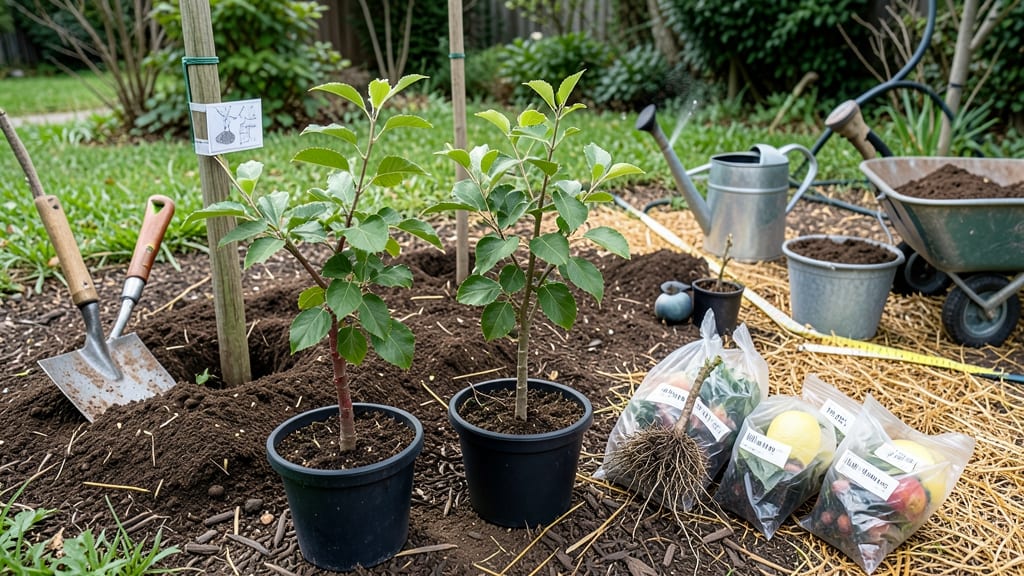
Timing your fruit tree planting in Northern California can make or break your harvest—get it wrong, and frost becomes your worst enemy.
The right window isn’t just about spring; it’s about knowing whether you’re in coastal fog country, a warm valley, or frost-prone foothills where one late chill can wipe out months of effort.
I’ve watched too many gardeners rush planting only to see their young 🌱 trees shrivel overnight. The good news? With the right microclimate strategy, you can plant confidently—whether you’re in USDA Zone 7b’s cooler hills or Zone 10a’s mild coastal strips.
Let’s break down the exact months that work for each area, so you can avoid the common mistakes that lead to disappointment.
What if you could extend your planting window safely? The secret lies in soil prep, frost-free date tracking, and smart mulching techniques that protect your trees when Mother Nature throws a curveball. I’ll share the pro tips local nurseries use to help trees thrive even outside ideal conditions.
Ready to plant with confidence? You’ll leave here knowing not just when to dig that hole, but why it matters for your specific corner of Northern California—and how to give your fruit trees the best shot at a bountiful harvest.
Northern California fruit tree planting calendar by microclimate zones
Northern California's diverse geography creates three distinct microclimates for fruit tree planting: coastal (mild winters), valley (moderate), and foothill (cold). Each requires different timing to avoid late spring frosts that can devastate young trees. Let's break down the optimal planting windows for each zone.
Coastal areas like San Francisco and Santa Cruz enjoy USDA Zone 9-10 conditions, allowing planting as early as late winter (February). Meanwhile, inland valleys such as Sacramento and Stockton (Zone 7b-8a) should wait until March-April when frost risk drops.
Foothill regions like Napa or Chico (Zone 7a-8b) face higher frost risk and need April-May planting.
🌱
📅 Northern California Fruit Tree Planting Calendar
| Zone Type | USDA Zone | Best Planting Months | Last Frost Date | Key Considerations |
|---|---|---|---|---|
| Coastal | 9-10 | February-March | December-March | Mild winters, watch for coastal fog |
| Valley | 7b-8a | March-April | February-April | Frost pockets common in low areas |
| Foothill | 7a-8b | April-May | March-May | Highest frost risk, needs windbreaks |
💡 Pro Tip: Check your local last frost date via NOAA or UC Master Gardeners for precise timing.
For citrus trees like lemons or oranges, coastal gardeners can plant as early as January since they tolerate light frosts better than other fruit trees. However, stone fruits (peaches, plums, cherries) need to be planted after all frost danger has passed, typically after April 15th in most inland areas.
Always verify your exact microclimate by checking local weather stations or consulting with county agricultural extensions. A 3-degree temperature drop can be deadly for young fruit trees, so timing is everything.
🌡️
If you're in a transition zone between these microclimates, consider planting dwarf varieties that establish roots faster and can handle slightly earlier planting. For example, 'Bonanza' peach trees are cold-hardy enough for Zone 7a if planted in early April with proper frost protection.
Remember that bare-root trees (sold dormant) can be planted earlier than container-grown trees, which need warmer soil temperatures (typically 60°F+) to avoid root shock. Test your soil temperature with a soil thermometer before planting container-grown trees.
🪴
One common mistake is planting too early in foothill regions and having young trees damaged by late spring frosts. Always monitor 10-day forecasts and be prepared to cover trees with frost cloth if cold snaps are predicted.
In coastal areas, overwatering can be just as damaging as frost—ensure good drainage to prevent root rot.
For maximum success, align your planting with the moon's rooting phase (a full moon) and avoid planting during extreme heat waves (above 90°F) which can cause transplant shock. Northern California's Mediterranean climate gives us a 6-week window each year for ideal planting.
Northern California fruit tree planting calendar by microclimate zones
Northern California’s diverse microclimates—from foggy coastal regions to hot inland valleys—create wildly different planting windows for fruit trees. The key? Timing your planting to avoid late spring frosts (common in the Sierra foothills) while giving young trees enough time to establish roots before winter.
Let’s break it down by zone, using USDA Hardiness Zones 7b-10a as our guide.
Coastal areas (like San Francisco Bay Area or Santa Cruz) enjoy milder winters, with last frost dates as early as January 15th.
Inland valleys (e.g., Sacramento or Stockton) typically see their last frost around March 1st, while foothill regions (like Napa or Sonoma) can experience frost until April 15th.
These differences mean your peach tree might thrive if planted in February on the coast but risk frost damage if planted then in the Central Valley.
🌱 Visual Guide: Planting Windows by Zone 🌱
| Zone | USDA Zone | Last Frost Date | Best Planting Window | Frost Risk |
|---|---|---|---|---|
| Coastal | 9-10a | Jan 15 - Feb 15 | Dec - Feb | Low |
| Inland Valley | 7b-9 | Feb 15 - Mar 15 | Feb - Mar | Moderate |
| Foothills | 7a-8 | Mar 15 - Apr 15 | Mar - Apr | High |
For citrus trees (like lemons or oranges), plant in late winter (January-February) to take advantage of cooler soil temperatures, which reduce transplant shock. Stone fruits (peaches, plums, cherries) prefer early spring planting (February-March) to avoid bacterial canker—a fungal disease that thrives in wet, cold conditions. Avocados, however, are heat-lovers and should go in the ground after the last frost, typically April-May in most regions.
Pro tip: Check your local weather station (like the National Weather Service or California Irrigation Management Information System) for real-time frost alerts. Even a single night below 28°F can kill young fruit trees, so don’t gamble—plant when the forecast is frost-free for 2 weeks.
In drought-prone areas, aim for late fall planting (November) to give roots time to establish before summer heat arrives.
If you’re in a transition zone (e.g., Santa Clara Valley), err on the side of earlier planting—these areas can experience unpredictable frosts even in spring.
For example, San Jose has seen late-March frosts as recently as 2021. Container-grown trees (bought from nurseries) can handle slightly earlier planting than bare-root varieties, but always acclimate them gradually to outdoor conditions.
🌿 Remember: Soil temperature matters just as much as air temperature. Use a soil thermometer—ideal planting soil should be at least 50°F for most fruit trees. In cooler zones, black plastic mulch can warm the soil by 5-10°F, extending your planting window by 2-3 weeks.
Pair this with a windbreak (like a bamboo fence or evergreen hedge), and you’ll give your young tree the best shot at survival. ☀️