
Plants
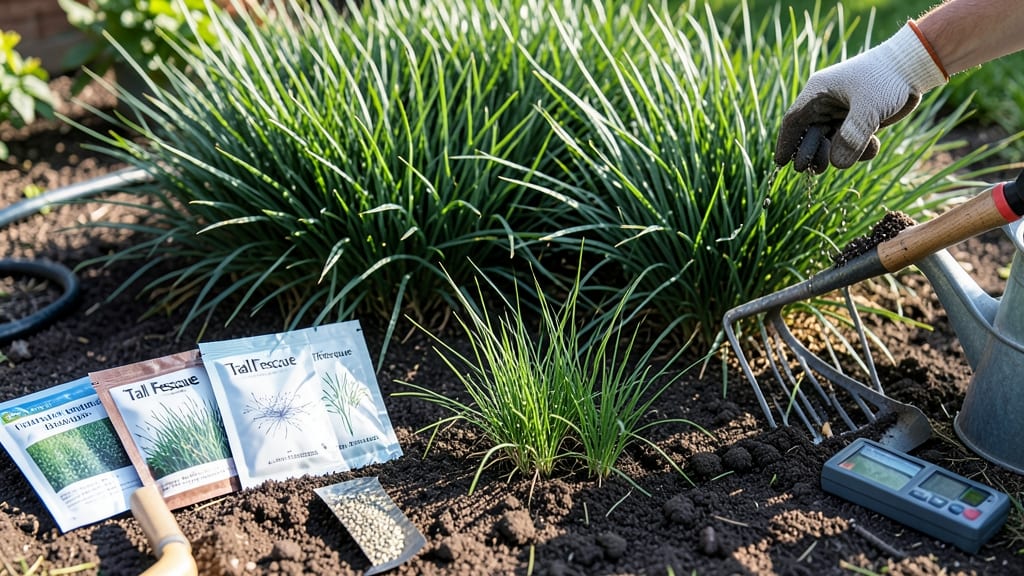
Timing your Grass Seed (Turfgrass) 🌱 planting in Virginia isn’t just about seasons—it’s about survival. Plant too early, and your seeds may rot in cold, wet soil; too late, and summer’s brutal heat will fry them before they take root.
The best window depends on whether you’re in coastal Virginia’s milder zones or inland areas where temperatures swing wildly.
Most gardeners swear by early spring or fall, but Virginia’s climate throws a curveball. Coastal regions like Norfolk can handle slightly earlier plantings than inland spots near Roanoke, where soil temperatures lag behind.
The key is waiting for soil to warm to 60-75°F—a sweet spot that varies by just a few weeks between these areas.
In this guide, I’ll break down the exact timing for your region, including how to prep your soil and avoid the 3 biggest mistakes that kill grass seed before it even sprouts.
Whether you’re seeding a new lawn or patching bare spots, getting this right means the difference between lush green grass and another season of dirt patches.
Ready to plant with confidence? Let’s dive into the science—and the secrets—behind Virginia’s perfect grass seed timing for a lawn that lasts.
Optimal Virginia grass seed planting windows: coastal vs inland climate zones
Virginia’s two distinct climate zones—coastal and inland—create very different planting windows for grass seed. Coastal areas like Norfolk and Virginia Beach have milder winters, while inland regions (e.g., Richmond or Roanoke) face sharper frost risks. Understanding these differences ensures your grass establishes before extreme heat or cold strikes.
For coastal Virginia, the ideal planting window is March 15–April 30 (spring) and September 1–October 15 (fall). Inland areas should aim for April 1–May 15 (spring) and August 15–September 30 (fall). These windows align with soil temperatures between 60–75°F—the sweet spot for germination.
Soil temperature is more critical than air temperature. Use a soil thermometer ($10 at garden centers) to check: below 55°F delays germination, while above 80°F stresses seedlings. Coastal soils warm faster in spring due to humidity and ocean breezes.
Here’s how regional frost dates impact timing: - Coastal Virginia: Last frost March 1–15; first frost November 15–December 1. - Inland Virginia: Last frost April 1–15; first frost October 15–30.
Planting too early risks frost damage; too late means insufficient root growth before winter.
Virginia Grass Seed Planting Windows by Region
| Factor | Coastal Virginia (Tidewater) | Inland Virginia (Piedmont/Valley) |
|---|---|---|
| Best Spring Window | March 15–April 30 | April 1–May 15 |
| Best Fall Window | September 1–October 15 | August 15–September 30 |
| Soil Temp for Planting | 60–75°F | 60–75°F |
| Last Frost Risk | March 1–15 | April 1–15 |
| First Frost Risk | November 15–December 1 | October 15–30 |
| Grass Type Recommendation | Tall Fescue, Bermuda | Kentucky Bluegrass, Fine Fescue |
*Adjust dates 1–2 weeks earlier for southern VA (e.g., Danville) or later for northern VA (e.g., Shenandoah).
If you’re in central Virginia (e.g., Charlottesville), split the difference: plant late March–early April in spring and mid-September in fall. Northern Virginia (e.g., Arlington) leans closer to inland timing due to colder microclimates.
For warm-season grasses (e.g., Bermuda, Zoysia), plant after last frost when soil is consistently above 70°F. In coastal areas, this is mid-April; inland, it’s late April–early May. These grasses go dormant in winter, so fall planting isn’t ideal.
Pro tip: Use a planting calendar like the Virginia Cooperative Extension’s (free online) to track local frost dates and rainfall forecasts. Aim for 1–1.5 inches of rain per week after planting to avoid drought stress. If natural rainfall is unreliable, supplement with irrigation.
Remember: Fall planting often outperforms spring in Virginia because cooler
Optimal Virginia grass seed planting windows: coastal vs inland climate zones
Virginia’s climate isn’t one-size-fits-all—coastal areas like Norfolk and Virginia Beach enjoy milder winters and later frosts, while inland regions such as Roanoke or Charlottesville face harsher temperature swings. These differences mean your grass seed planting window could shift by 3-4 weeks depending on where you live.
The golden rule for Virginia is planting when soil temperatures hit 60-75°F—this ensures seeds germinate quickly without rotting. Coastal zones often reach this threshold 2-3 weeks earlier than inland areas, giving gardeners a longer spring window.
For example, Tidewater (coastal) may start as early as mid-March, while Piedmont (inland) should wait until late March or early April.
🌱
| Factor | Coastal Virginia (Tidewater) | Inland Virginia (Piedmont) |
|---|---|---|
| Best Planting Window | Mid-March to early May | Late March to early June |
| Soil Temp Threshold | 60-75°F (earlier reach) | 60-75°F (lags 2-3 weeks) |
| Last Frost Date | March 15-April 1 | April 1-April 15 |
| Fall Planting Window | Late August to mid-October | Early September to late October |
| Grass Type Recommendation | Tall Fescue, Perennial Ryegrass | Tall Fescue, Kentucky Bluegrass |
| Key Risk | Humidity + fungal diseases | Late frosts + drought stress |
Fall planting in Virginia often yields stronger roots than spring because cooler temps reduce weed competition and stress on young seedlings. Coastal areas can extend their fall window into mid-October, while inland regions should wrap up by early October to avoid early frosts.
For example, Bermuda grass thrives in summer heat but struggles in fall, so it’s best planted in late spring (May-June) in inland zones.
Pro tip: Use a soil thermometer to confirm temperatures—planting too early in cold soil leads to rotten seeds, while waiting too long risks drought stress as summer arrives. Check local USDA Plant Hardiness Zone maps (Virginia spans 6a-8a) to fine-tune your timing further.
☀️