
Plants
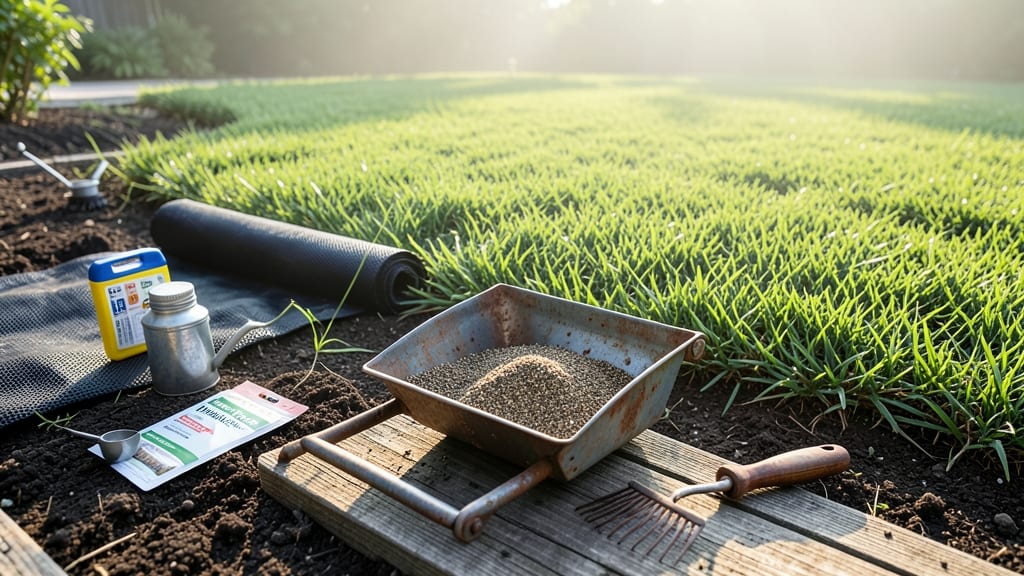
The best time to plant grass seed in Florida isn’t just about avoiding summer’s brutal heat—it’s about unlocking a 6-week window in early fall when your lawn can grow deep roots before winter slows everything down. If you’ve ever watched your spring seeding struggle under Florida’s humidity or fry under July’s sun, you’re not alone.
Florida’s 8a-11 climate zones mean North Florida’s cooler temps and South Florida’s near-tropical conditions both demand different strategies. But here’s the secret: August–September works for nearly every region because the soil stays warm enough for germination while afternoon rains become less intense.
That’s when your 🌱 grass seed gets the perfect head start.
I’ve seen firsthand how timing makes the difference between a patchy lawn and one so thick it outlasts droughts.
In this guide, I’ll break down exactly why early fall beats spring, how to prep your soil for Florida’s unique challenges, and the 3 biggest mistakes that kill new grass—before you even notice the problem.
Ready to skip the guesswork? Let’s dive into the science (and shortcuts) that’ll give you a lawn most neighbors will envy—without the summer struggle.
Florida’s ideal grass-seeding window: why early fall wins over spring
If you’ve ever stared at your bare patches in June’s 90°F heat and wondered why your grass seed never takes, you’re not alone. Florida’s climate is a double-edged sword—too hot in summer and too wet in winter can ruin seeding efforts.
But there’s a 6-week window where science and Mother Nature align perfectly: late August through September. This is when soil temperatures hover at 70–75°F, humidity is high enough to prevent stress, and rainfall patterns support germination without drowning young roots.
The key lies in Florida’s three distinct microclimates. North Florida (USDA Zones 8a–9a) has cooler winters and earlier frost risks, while Central Florida (Zone 9b) balances heat and humidity, and South Florida (Zones 10a–11) stays warm year-round.
Each zone demands a slightly different approach, but the early fall window remains the gold standard for deep root establishment before winter dormancy sets in.
For cool-season grasses like Tall Fescue or Ryegrass, this timing is critical—they need 60–70 days of warm soil to develop strong roots before cooler temps slow growth.
Meanwhile, warm-season grasses like St. Augustine or Bermuda thrive when seeded in late spring (April–May), but early fall offers a second chance for repairs or overseeding.
Here’s why August–September beats spring hands down:
- Soil warmth (70–75°F) speeds germination without scorching seeds
- Higher humidity reduces water loss and fungal risks
- Moderate rainfall keeps soil moist without waterlogging
- Fewer weeds compete for nutrients post-hurricane season
| Zone | Ideal Planting Window | Soil Temp (°F) | Key Benefit |
|---|---|---|---|
| North Florida (8a–9a) | Late August–Early September | 70–75°F | Avoids early frost; roots harden before winter |
| Central Florida (9b) | Mid-August–Mid-September | 75–80°F | Balances heat and humidity for rapid growth |
| South Florida (10a–11) | td style="padding: 8px; border-bottom: 1px solid #5a9b80;">Late August–Early October78–82°F | Extends window; minimal frost risk | |
| All Zones | Avoid September 15+ | N/A | Hurricane season peaks; delays germination |
The 6-week window between August and September isn’t just about timing—it’s about strategic preparation. For example, St. Augustinegrass seeds need warm soil (80°F+) to germinate, while Tall Fescue thrives at 65–75°F.
By late September, cooler nights signal the grass to shift into winter dormancy, locking in those deep roots you’ve worked so hard to establish.
Pro tip: Check your local Cooperative Extension Service for weekly soil temperature updates—some years, a heatwave in August can push ideal planting into early September.
Tools like a soil thermometer (or even your wrist—press it into the soil for 10 seconds; if it feels warm but not hot, it’s ready).
One common misconception is that spring planting is better for Florida’s heat. But April–May brings intense UV radiation and drought stress, forcing young grass to shut down before it can establish.
Early fall, however, gives seeds 6–8 weeks of optimal conditions before the November rains and December chill slow everything down.
For warm-season grasses, early fall also offers a second chance to repair damage from summer heat or overseeding for thicker coverage. For instance, Bermudagrass can be top-dressed with seed in late August to fill thin patches before winter.
The key is matching the grass type to the microclimate—Centipedegrass in North Florida? Zoysia in Central? St. Augustine in South? Each has its own ideal window within that August–September frame.
Finally, don’t ignore the moon phases—while not scientifically proven, many Florida gardeners swear by planting during the waxing moon (when roots grow stronger). Pair this with early morning seeding to avoid midday heat stress, and you’ve got the perfect storm for success.
Florida’s ideal grass-seeding window: why early fall wins over spring
Florida’s microclimates create a puzzle for grass seeders—what works in North Florida’s cooler winters fails in South Florida’s near-tropical heat. But here’s the game-changer: early fall (August–September) delivers the perfect balance of warm soil and gentler rains, letting your grass establish deep roots before winter slows growth.
Spring planting often backfires because Florida’s humidity spikes in May, creating fungal risks, while summer’s 100°F+ soil dries out seeds before germination. Early fall avoids both—soil stays 65–75°F, afternoon thunderstorms water naturally, and daylight hours shrink just enough to prevent stress.
Let’s break down why this window works across Florida’s 3 key regions and how to adapt if you’re in hurricane-prone coastal areas.
| Region | Ideal Planting Window | Soil Temp | Rainfall Pattern | Key Risk |
|---|---|---|---|---|
| North Florida (Zones 8a–9a) | Late August–Early October | 68–75°F | Afternoon showers (3–5 inches/week) | Early frost (Dec) |
| Central Florida (Zones 9b–10a) | Early August–Mid-September | 70–78°F | Daily thunderstorms (4–6 inches/week) | Hurricane delays (Sept) |
| South Florida (Zones 10b–11) | Mid-August–Late September | 72–80°F | Humid with brief daily rains | Saltwater intrusion (coastal) |
For North Florida, aim for late August to beat the first frost window (usually mid-December). In Central Florida, watch hurricane forecasts—delay planting if storms threaten. South Florida gardeners can push to late September since frost is rare, but coastal areas need salt-tolerant varieties like St. Augustine.
Pro tip: Use a soil thermometer to confirm temps are 65°F+ at 4-inch depth. If it’s cooler, wait—your seeds will rot before sprouting. 🌱