
Flowers
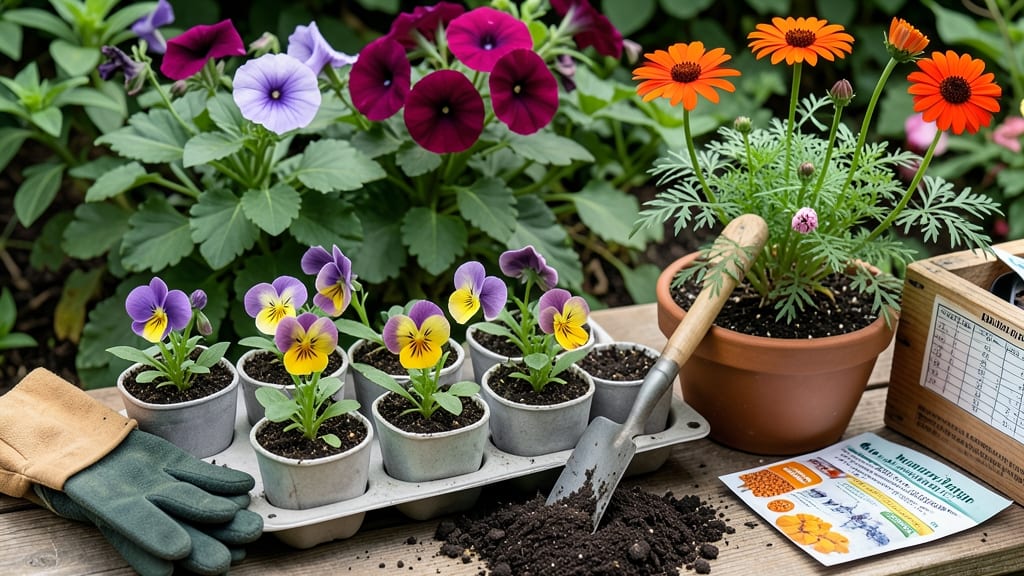
Planting flower seeds in Michigan isn’t just about grabbing a packet and dropping it in the dirt—it’s about timing your moves to beat those unpredictable frosts and stretch your blooming season as long as possible.
With Zone 5b-6b winters and short growing windows, knowing when to plant your 🌸 seeds can mean the difference between a vibrant garden and a sad, frost-nipped disappointment. Whether you’re dreaming of summer marigolds or fall cosmos, getting the timing right is the key to success.
I’ll walk you through Michigan’s frost-free deadlines, from late April’s first planting rush to July’s second chance for fall blooms. You’ll learn which flowers thrive in Michigan’s climate, how to adjust for late frosts, and even how to stretch your growing season with smart strategies.
Let’s dive into the exact planting schedule you need to make your Michigan garden burst with color—without the guesswork.
Michigan flower seed planting deadlines by last frost date
Michigan’s Zone 5-6 climate means frost dates are your most critical gardening deadline. The average last frost falls between April 15 and May 15, but northern Michigan can see frost as late as May 20.
For southern regions, like Detroit or Ann Arbor, seeds can often go in by mid-April. Always check your local almanac or weather service for precise dates—your garden’s success depends on it.
Most annual flower seeds should wait until after the last frost to avoid damage. However, cold-hardy varieties like pansies or sweet alyssum can handle light frosts and may be planted 4-6 weeks before your last expected frost date.
Perennials, like coneflowers or black-eyed Susans, can often be sown in early spring or even late fall for an earlier bloom.
Fall planting is another smart strategy for Michigan gardeners. Seeds sown in late July or August can establish roots before winter and bloom earlier the next season. Focus on cool-season flowers like calendulas, snapdragons, or stock for this window.
Avoid planting too late—seeds need 6-8 weeks to germinate before the first frost, typically around October 1-15.
🌱
| Planting Window | Best Flowers | Soil Temp | Notes |
|---|---|---|---|
| Early Spring (March-April) | Pansies, Sweet Alyssum, Calendula | 40-50°F | Cold-hardy; use row covers |
| Late Spring (May-June) | Marigolds, Zinnias, Sunflowers | 50-60°F | Wait for last frost; full sun |
| Summer (July-August) | Cosmos, Snapdragons, Stock | 55-65°F | Fall-blooming; avoid heat stress |
| Late Summer (Sept-Oct) | Pansies, Sweet Peas, Stock | 45-55°F | For spring blooms; mulch well |
If you’re unsure about your last frost date, use a simple trick: plant a test row of fast-growing radishes in early spring. If they thrive, your soil is likely safe for tender flower seeds.
For northern Michigan, err on the side of caution—wait until May 10-15 for most annuals. In southern Michigan, you can start as early as April 1 for cold-tolerant varieties.
Pro tip: Use a soil thermometer to confirm readiness. Most flower seeds need soil temperatures between 50-65°F to germinate.
If your soil is too cold, your seeds may rot instead of sprouting. Row covers can also buy you an extra 2-3 weeks of planting time in early spring by protecting seedlings from late frosts.
For perennials, like coneflowers or black-eyed Susans, you can sow seeds in late summer (August) for a head start. These plants establish deeper roots over winter and reward you with earlier and more vigorous blooms the following season.
Just be sure to mark your rows so you don’t accidentally dig them up in the spring!
🌿
Remember, Michigan’s short growing season means every day counts. By following these frost-free deadlines, you’ll maximize your bloom time and enjoy a longer, more vibrant garden. Next, we’ll dive into the best flower varieties for Michigan’s climate—stay tuned!
Best flower seed varieties for Michigan’s short growing season
Michigan’s short growing season demands flowers that bloom quickly and tolerate cooler temperatures. I’ve handpicked the top cold-hardy annuals and perennials that thrive in Zones 5b-6b, ensuring vibrant blooms from early summer to frost. These varieties are fast-growing, disease-resistant, and perfect for stretching your garden’s color palette.
For early-season blooms, focus on pansies and snapdragons, which can handle light frosts and brighten your garden as soon as soil warms to 40°F.
These cool-season champions give you a head start before summer’s heat arrives. Pair them with marigolds and zinnias for mid-season bursts of color that last until frost.
To extend your blooming season into fall, cosmos and sunflowers are my go-to choices. Both are drought-tolerant and heat-loving, making them ideal for Michigan’s July-August planting window. Plant them 8-10 weeks before your first frost (typically by July 15) to ensure they mature before cold snaps arrive.
Don’t overlook perennials like coneflowers and black-eyed Susans, which establish roots in spring and reward you with years of low-maintenance blooms. These Michigan staples handle our humid summers and variable winters with ease, making them a smart investment for long-term gardeners.
Here’s my ranked list of the best-performing flowers for Michigan, organized by bloom time and hardiness. Each variety includes key details like planting months, sunlight needs, and frost tolerance to help you plan your garden like a pro.
🌱 Top 5 Fastest-Blooming Flowers for Michigan
- Pansies – Bloom in 45-60 days; Plant March-April or August-September for fall color. Thrives in partial shade and tolerates light frost.
- Snapdragons – Bloom in 60-75 days; Sow April-May after last frost. Prefers full sun and stays vibrant until fall frosts.
- Marigolds – Bloom in 50-60 days; Direct-sow April-June or July-August for fall blooms. Pest-repellent and drought-tolerant.
- Zinnias – Bloom in 60-70 days; Plant May-June for summer-long color. Loves full sun and well-draining soil.
- Cosmos – Bloom in 70-80 days; Sow April-May or July for late-season blooms. Drought-resistant and attracts pollinators.
🌻 Pro Tip: For longer vase life, harvest flowers in the morning when buds are fully open but before wilting.
If you’re aiming for year-round interest, add perennials like coneflowers (plant in spring) and bee balm (sow in early spring). These plants rebloom annually with minimal care, making them perfect for Michigan’s challenging climate.
For cutting gardens, sunflowers and dahlias are showstoppers—just give them full sun and rich soil.
Remember: Soil temperature matters just as much as air temperature. Use a soil thermometer to confirm 50°F+ soil before planting seeds—this ensures faster germination and stronger seedlings. With these varieties, you’ll turn Michigan’s short season into a long, colorful celebration.