
Plants
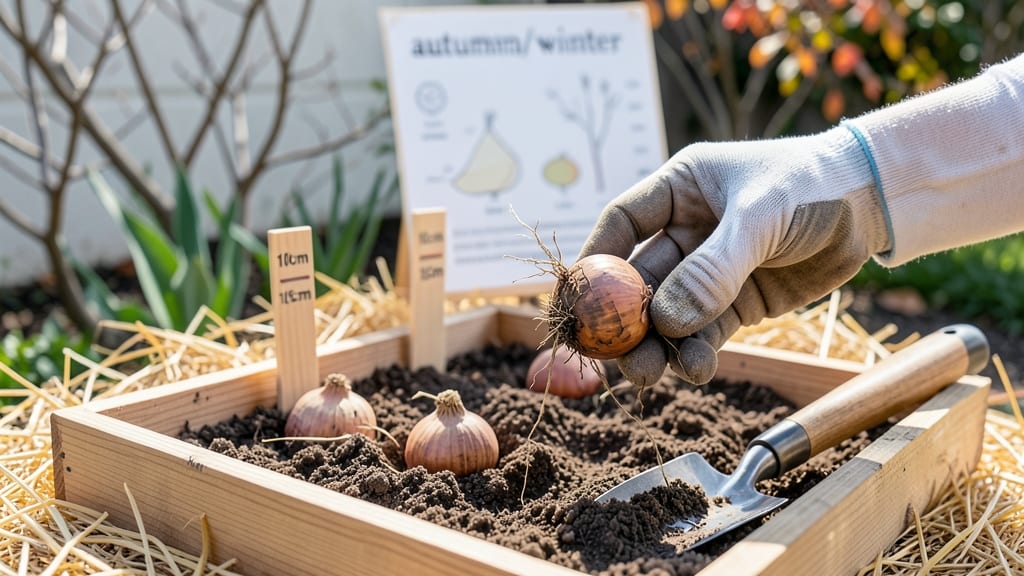
Planting your 🌷 tulip bulbs at the wrong time in Australia can mean the difference between a stunning spring display and a disappointing flop. The ideal window—late autumn to early winter—varies dramatically across the country, from frost-prone regions to subtropical zones where winter is barely a whisper.
Most gardeners assume "autumn" means the same thing everywhere, but Australia’s climate zones throw a curveball.
In cooler areas like Victoria or Tasmania, you’ll want to plant by June 15 to avoid early frosts, while in Queensland or northern NSW, you’ve got until July 15—or even later—to get those bulbs in the ground. The key?
Timing it right so your tulips wake up when the weather cooperates.
I’ve seen firsthand how a few weeks’ difference can mean the difference between blooms that last 4 weeks and ones that barely open. Whether you’re in Sydney, Perth, or Brisbane, this guide will help you pinpoint the perfect moment to plant for zero-frost success—and keep your garden looking its best.
Ready to outsmart Australia’s unpredictable seasons? Let’s break down the exact planting window for your region, plus the critical signs your soil is ready. Your spring garden will thank you.
Australia’s best tulip bulb planting months by region (autumn guide)
Australia’s climate varies dramatically from region to region, making the perfect tulip bulb planting time a moving target. Unlike northern hemispheres where tulips go in fall for spring blooms, Australian gardeners must align with autumn planting windows to ensure vibrant spring displays.
Miss the mark, and you risk bulbs rotting in summer heat or blooming too late.
Here’s the golden rule: Plant tulip bulbs when soil temperatures drop to 10–13°C (50–55°F), typically in late autumn (May–July). This timing ensures bulbs establish roots before winter dormancy and bloom in spring (August–October). But regional differences mean your exact window could shift by 4–6 weeks.
For temperate zones like Sydney, Melbourne, and Adelaide, aim for early May to mid-June. These areas experience cooler winters and moderate frosts, ideal for tulip dormancy. In subtropical regions (e.g., Brisbane, Gold Coast), push planting to late May–June to avoid summer heat stress.
Meanwhile, tropical zones (e.g., Cairns, Darwin) can plant tulips year-round in shaded, well-draining spots—but expect fewer blooms due to inconsistent dormancy. Coastal areas with mild winters (e.g., Perth) may extend planting until early July.
| Region | Best Planting Window | Soil Temp Threshold | Key Climate Note |
|---|---|---|---|
| Sydney, Melbourne, Canberra | Early May – Mid-June | 10–13°C | Moderate frosts; mulch heavily |
| Adelaide, Hobart | Late April – Early June | 8–12°C | Cooler winters; plant earlier |
| Brisbane, Gold Coast | Late May – June | 12–15°C | Subtropical; avoid summer heat |
| Perth | Early May – Early July | 10–13°C | Mild winters; extend window |
| Darwin, Cairns | Year-round (shaded spots) | N/A | Tropical; minimal dormancy |
If you miss the primary planting window, don’t panic! Tulip bulbs can tolerate late-autumn planting (July) in most regions, though blooms may arrive 1–2 weeks later. For temperate zones, a backup window in August works if soil hasn’t frozen, but growth will slow dramatically.
Pro tip: Use a soil thermometer to confirm readiness—10–13°C is non-negotiable. In urban gardens with heat-retaining concrete, bulbs may need extra mulch (10cm) to regulate soil temps. Overheating in summer can prevent blooming entirely, so prioritize well-draining soil mixed with compost.
For summer-blooming tulips (e.g., Tulipa greigii), plant in late winter (August–September) to align with Australia’s cooler months. These varieties thrive in subtropical climates like Queensland and Northern NSW, where traditional spring tulips struggle.
Remember: Tulips are perennials in cooler climates but may die back in summer in hotter regions. In Perth or Brisbane, treat them as annuals or lift bulbs after blooming to replant next autumn. This trick preserves bulbs for another season’s showstopping display.
🌷
5 Critical signs your soil is ready for tulip bulbs (before you dig)
Before you even think about planting those 🌷 tulip bulbs, your soil needs to be in the right condition—or you’ll risk rot, stunted growth, or blooms that never appear.
I’ve learned the hard way that rushing the process can turn your dream spring garden into a sad, muddy disappointment. The key is checking these 5 critical signs before digging.
First, your soil temperature must be between 10–13°C. Tulip bulbs won’t sprout if it’s too warm or cold. Use a soil thermometer (they’re cheap!) to check—if it’s above 15°C, wait a few weeks.
In Australia’s variable climate, this often means holding off until late May in cooler regions or early July in subtropical areas.
Next, test for moisture balance. Stick your finger 2 inches deep—if it feels damp but not soggy, you’re good to go. Waterlogged soil smothers bulbs, while bone-dry soil won’t support their early growth. A simple squeeze test works: if the soil crumbles slightly but holds shape, it’s perfect.
🌱 5 Critical Signs Your Soil Is Ready
- 🌡️ Soil temp: 10–13°C (use a thermometer)
- 💧 Damp but not soggy (squeeze test)
- 🌿 No standing water (check drainage)
- 🐛 Few pests (no visible grubs or slugs)
- 🌱 Loose, crumbly texture (not compacted)
Don’t overlook drainage. Tulip bulbs rot in waterlogged soil, so dig a hole and fill it with water. If it drains in 10 minutes, you’re safe.
If not, amend with sand or compost to improve airflow. Urban gardeners often struggle here—containers with drainage holes are a lifesaver if your yard holds water.
Pests are another sneaky problem. Slugs and grubs love fresh tulip bulbs. Look for tiny holes or chewed leaves in nearby plants. If you spot them, treat the area with diatomaceous earth or copper tape before planting. I once lost an entire batch of Darwin Hybrid tulips to slugs—heartbreaking!
Finally, check the texture. Run a handful of soil through your fingers—it should feel light and crumbly, not dense. Compacted soil stunts root growth. If yours is heavy clay, mix in organic matter like compost or coconut coir to loosen it up.
Your bulbs will thank you with stronger stems and bigger blooms.
Pro tip: If you’re unsure, do the “thumb test”—press your thumb into the soil. If it springs back slowly, it’s ready. If it stays indented, wait a week or two. Timing is everything, and these signs will save you from costly mistakes.