
Plants
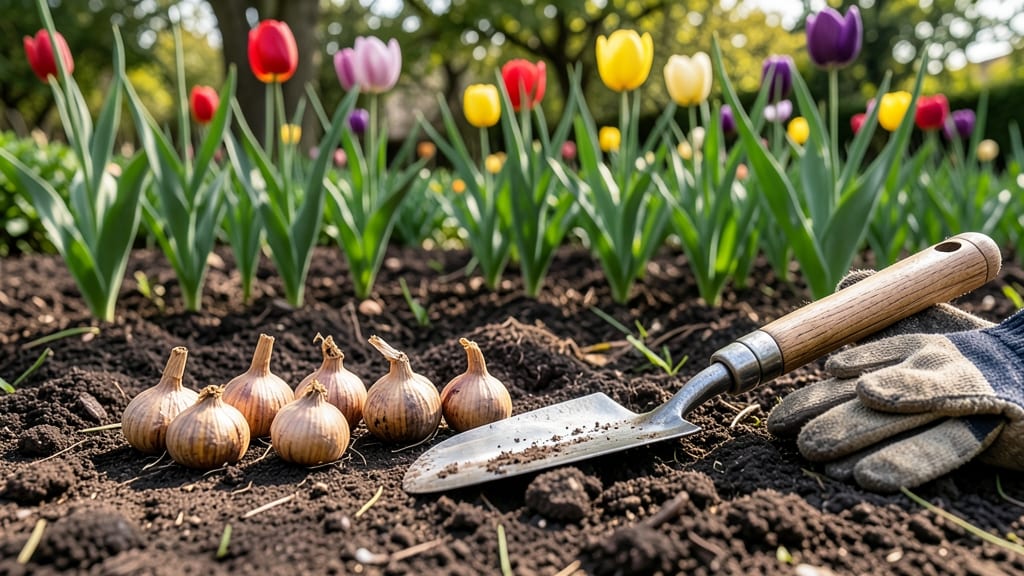
Planting tulips in Texas isn’t just about timing—it’s about outsmarting the heat and avoiding those floppy, bolting stems that turn your dream blooms into a sad, wilted mess. The wrong window means missed flowers, while the perfect moment unlocks vibrant 🌷 displays that defy Texas’s unpredictable climate.
Most gardeners assume "fall planting" means October, but Texas’s USDA zones 8a-10b demand precision. North Texas (like Dallas) needs bulbs in the ground by December 1, while Gulf Coast gardeners can wait until January—without risking summer heat stress.
Here’s the game-changer: soil prep matters more than you think. Heavy clay or poor drainage turns Texas’s rainy winters into a rot factory. We’ll cover the exact tricks to protect your bulbs, from mulching to shade hacks, so your tulips thrive—not just survive.
Ready to grow tulips that rebloom year after year? Let’s dive into the Texas-specific calendar, variety picks, and troubleshooting tips that’ll make your garden the envy of the neighborhood.
Texas tulip planting calendar: exact months to avoid bolting
Texas’s long growing season and variable freezes make tulip planting tricky. Unlike cooler climates, fall planting windows shift dramatically from North to South Texas—plant too early, and bulbs sprout prematurely; too late, and they won’t root before winter.
The key? Bulb dormancy triggers like 60°F soil temps and consistent moisture must align with your USDA zone.
For North Texas (Zones 7a-8a), like Dallas or Fort Worth, aim for October 15–November 15. This window ensures bulbs root before first frost (Nov 15) but avoids heat stress from lingering summer temps.
In Central Texas (Zones 8b-9a), including Austin and San Antonio, stretch planting to November 1–December 15—later to escape early freezes but early enough for root establishment.
South Texas gardeners in Zones 9b-10b (Houston, Corpus Christi) have the most flexibility: November 15–January 15. Here, mild winters delay dormancy, but planting after December 1 risks bolting (premature flowering) due to inconsistent chilling. Always check your local frost dates—a hard freeze can kill unhardened bulbs.
Pro Tip: Use a soil thermometer to confirm 60°F soil temps before planting. In Texas’s hot summers, wait until evening temps drop below 85°F—planting in 90°F+ soil stresses bulbs and triggers early sprouting.
| Texas Region | USDA Zone | Ideal Planting Window | Soil Temp Goal | Key Risk |
|---|---|---|---|---|
| North Texas | 7a–8a | Oct 15–Nov 15 | 60–65°F | Early freeze or heat stress |
| Central Texas | 8b–9a | Nov 1–Dec 15 | 55–60°F | Bolting from inconsistent chill |
| South Texas | 9b–10b | Nov 15–Jan 15 | 50–55°F | Premature sprouting |
Adjust for microclimates: Hill Country areas (like Fredericksburg) may need 2 weeks earlier planting than coastal regions (e.g., Galveston). Shade trees or urban heat islands can raise soil temps by 10°F+, so plant 2–3 weeks later in these spots.
For container gardening, use black plastic pots—they warm faster and mimic ground temps better than ceramic.
After planting, mulch heavily (3–4 inches of straw or pine bark) to insulate bulbs from temperature swings. In Zone 8a and below, add a lightweight frost blanket in December if temps dip below 25°F. This mimics the natural snow cover tulips evolved with in Central Asia.
Watch for bolting signs: Leaves elongating without flowers or stems shooting up in winter mean your bulbs got too much heat or light too soon. If this happens, prune stems at soil level to redirect energy to roots—your tulips may still bloom next spring if bulbs are healthy.
For reblooming tulips, plant Darwin Hybrid or Parrot Tulip varieties—they handle Texas’s heat better and often return year after year. Avoid species tulips (like Tulipa tarda) in Zone 9+; they’re heat-sensitive and may bolt.
Remember: Texas tulips aren’t about perfection—they’re about adaptation. Even with bolting, you’ll get some blooms, and next year’s bulbs will be stronger. The secret? Patience and proper timing—just like the Lone Star State itself. 🌷
5 Pro tips to extend Texas tulip blooms beyond one season
Texas heat and humidity can turn tulips into one-and-done bloomers, but with the right tricks, you can coax them into reblooming year after year. The key? Soil prep, shade strategies, and post-bloom care tailored to our unique climate.
Let’s break down how to beat the Texas heat and keep your tulips flowering like champions.
First, amend your soil with organic matter before planting. Texas clay or sandy soil holds moisture poorly, causing bulbs to rot or dry out. Mix in compost or aged manure to improve drainage while retaining moisture.
Aim for a 6-8 inch deep planting hole with loose, crumbly soil—this mimics their native conditions and prevents stress.
🌱 Numbered Highlights: Texas Tulip Care Hacks
- 1. Mulch like a pro: Apply 3-4 inches of mulch (straw or shredded leaves) after planting. This insulates bulbs from freeze-thaw cycles and keeps roots cool during summer.
- 2. Provide afternoon shade: Use lightweight shade cloth (30-50%) or plant near deciduous trees to block intense afternoon sun in zones 9-10.
- 3. Feed at the right time: Skip spring fertilizer—it encourages leafy growth over blooms. Instead, feed with bulb fertilizer in late fall (November-December) and again after blooming.
- 4. Deadhead strategically: Remove spent blooms but leave foliage until yellow. This lets bulbs photosynthesize and store energy for next year’s flowers.
- 5. Water deeply but infrequently: Soak soil weekly in fall and bi-weekly in summer. Avoid wetting foliage to prevent fungal diseases like botrytis.
Another game-changer? Choose heat-tolerant varieties like Darwin Hybrids or Parrot Tulips. These types handle Texas summers better than classic Dutch tulips, which often bolt (send up a single stem and flop) in our heat.
Plant them in raised beds if your yard has heavy clay—this improves drainage and prevents rot during our wet winters.
Don’t forget post-bloom bulb care. After flowers fade, fertilize with a low-nitrogen feed (like 5-10-10) to replenish nutrients. Let leaves die back naturally—they’re food factories for next year’s blooms! In South Texas (zones 9-10), consider planting in containers you can move to shade during peak summer heat.
With these tips, your tulips will rebloom for 3-5 years instead of just one season. The secret? Mimic their natural habitat—cool roots, well-draining soil, and protection from extreme Texas weather. Your garden will thank you with bold, repeat performances every spring.