
Plants
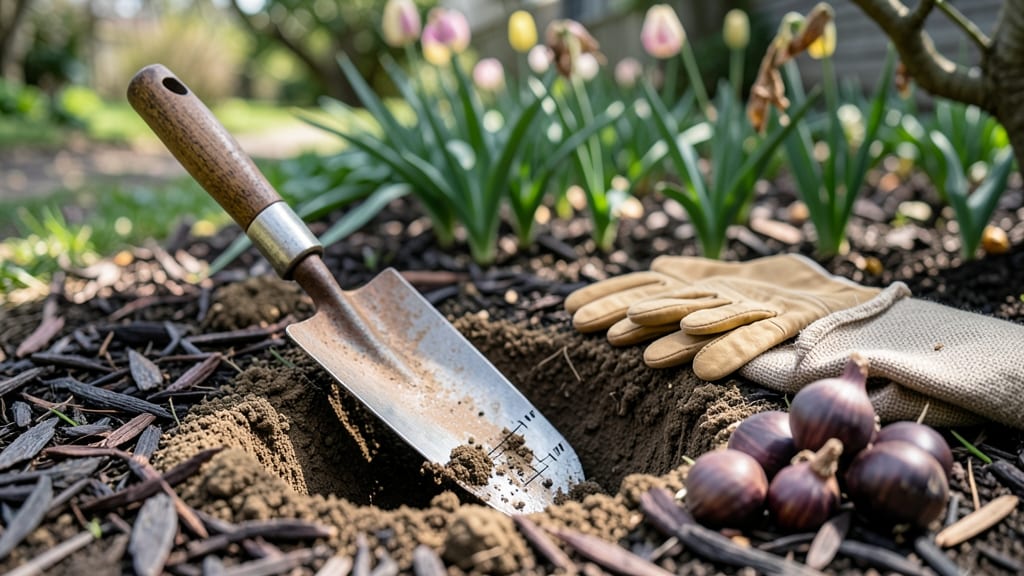
Timing when do you plant tulip bulbs in the ground is the secret to those showstopping blooms next spring—get it wrong, and you might end up with floppy stems or no flowers at all.
The ideal window isn’t just about picking a fall month; it’s about syncing your local climate with the 6-8 weeks of chilling time these bulbs crave before winter sets in.
In USDA Zone 6a, like many gardeners, you’ve got about October to November to plant your 🌷 tulip bulbs—but the exact timing depends on when your first frost arrives.
Too early, and the bulbs might sprout before winter’s chill kicks in; too late, and they won’t have enough time to root before the ground freezes. Let’s break down the perfect schedule for your region.
You might think all tulips are the same, but early varieties need that cold snap sooner, while late bloomers can wait a little longer.
The key is matching your planting date to your local frost forecast—because even a week off can mean the difference between a garden full of color and a missed opportunity.
Don’t worry if you’re new to this—we’ll walk you through soil prep, spacing tricks, and even what to do if you’ve already missed the window. With the right approach, you’ll be well on your way to perfect tulip blooms that’ll make your neighbors green with envy.
Best planting months for tulip bulbs by USDA hardiness zones
Planting tulip bulbs at the right time ensures they get the 6-8 weeks of chill hours they need to bloom beautifully next spring. The ideal window varies by USDA hardiness zone, but generally falls between October and November.
In warmer zones, you might extend this to December, while colder zones may need to plant as early as September.
Why does timing matter so much? Tulips require a period of cold dormancy to break their dormancy cycle. Plant too early, and the bulbs may sprout before winter sets in, only to be killed by frost.
Plant too late, and they won’t get enough chill hours, resulting in weak or no blooms. The key is to plant when soil temperatures drop to below 60°F (15°C) but before the ground freezes.
Here’s a quick guide to help you determine the best time to plant tulip bulbs in your area, based on your USDA hardiness zone. This table covers zones 3 through 10, where tulips thrive.
| Zone | Ideal Planting Month | Soil Temp Goal | Notes |
|---|---|---|---|
| 3-4 | Mid-September to early October | Below 60°F (15°C) | Cold climates need early planting for full chill. |
| 5-6 | October | Below 60°F (15°C) | Classic tulip planting window for most gardeners. |
| 7-8 | November | Below 65°F (18°C) | Warmer zones can plant later but avoid summer heat. |
| 9-10 | December | Below 70°F (21°C) | Mild winters may require pre-chilling bulbs. |
If you’re in Zone 9 or 10, where winters are mild, you’ll need to pre-chill bulbs for 8-12 weeks before planting. Store them in a cool, dark place like a refrigerator (not the freezer!) to simulate winter conditions. This trick helps mimic the chill hours tulips need to bloom.
For gardeners in Zones 3-6, aim to plant by mid-October at the latest. In these colder regions, the ground freezes earlier, so rushing to plant won’t give bulbs enough time to establish roots before winter.
A simple soil thermometer can help you track when temperatures drop to the ideal range.
Pro tip: If you miss the fall planting window, don’t panic! You can plant tulip bulbs in late winter (February) for a spring bloom, but this method is less reliable for consistent results. The bulbs will need to be pre-chilled and planted as soon as the soil is workable.
Always plant bulbs in well-draining soil at a depth of 6-8 inches, with the pointy end facing up. This ensures they have enough space to grow roots while protecting them from extreme temperature fluctuations.
Mulch with 2-3 inches of organic matter after planting to insulate the soil and retain moisture.
Remember, tulips are perennial, meaning they’ll return year after year if given the right care. By planting at the optimal time for your zone, you’re setting the stage for vibrant blooms that will brighten your garden for seasons to come. 🌷
How to calculate your region's chill hours for perfect tulip growth
Understanding your region’s chill hours is the secret weapon for tulip bulb success. These are the hours between 32°F and 45°F that bulbs need to trigger dormancy and bloom beautifully next spring.
Without enough chill time, your tulips might sprout leaves but skip the flowers entirely—or worse, rot in the ground.
Most tulip varieties require between 300 and 1,500 chill hours, depending on the type. Early bloomers like 'Early Harbinger' need just 300-500 hours, while late varieties like 'Darwin Hybrid' can handle up to 1,500+ hours.
If you’re in a mild-winter zone (Zone 7-10), you’ll need to plant earlier or use pre-chilled bulbs from nurseries.
Here’s how to check your local chill hours: Start by finding your USDA Hardiness Zone (use the USDA Plant Hardiness Zone Map), then look up your region’s average winter temperatures. Most weather stations or gardening apps (like Old Farmer’s Almanac) provide this data.
For example, Zone 6a averages around 1,000-1,200 chill hours, while Zone 9a might only hit 300-500 hours.
🌡️ Step-by-Step Chill Hour Check
- Find your zone: Use the USDA Zone Map to pinpoint your exact location (e.g., Zone 5b).
- Check local data: Search for "your city chill hours" in Google or use tools like PlantMap.
- Match to tulip needs: Compare your chill hours to the 300-1,500 range for tulips.
- Adjust planting: If you’re under 500 hours, plant 8-10 weeks early or buy pre-chilled bulbs.
- Test soil temp: Use a soil thermometer to confirm ground temps are below 60°F before planting.
If you’re in a warmer climate (Zone 8-10), you’ll need to plant tulip bulbs as early as September to ensure they get enough chill time before winter. In contrast, gardeners in cold zones (Zone 3-5) can plant as late as mid-November, since the ground freezes quickly.
The goal is to give bulbs 6-8 weeks of root growth before the soil freezes solid.
Pro tip: If you’re unsure about your chill hours, opt for hardy tulip varieties like 'Ice Cream' or 'Red Emperor', which thrive in a wider range of conditions. These varieties are more forgiving if your winter chill is on the lighter side.
Once you’ve nailed down your chill hours, the next step is soil prep—but that’s a topic for another section! For now, grab your soil thermometer and get planting while the weather’s still mild. Your future blooms will thank you.