
Plants
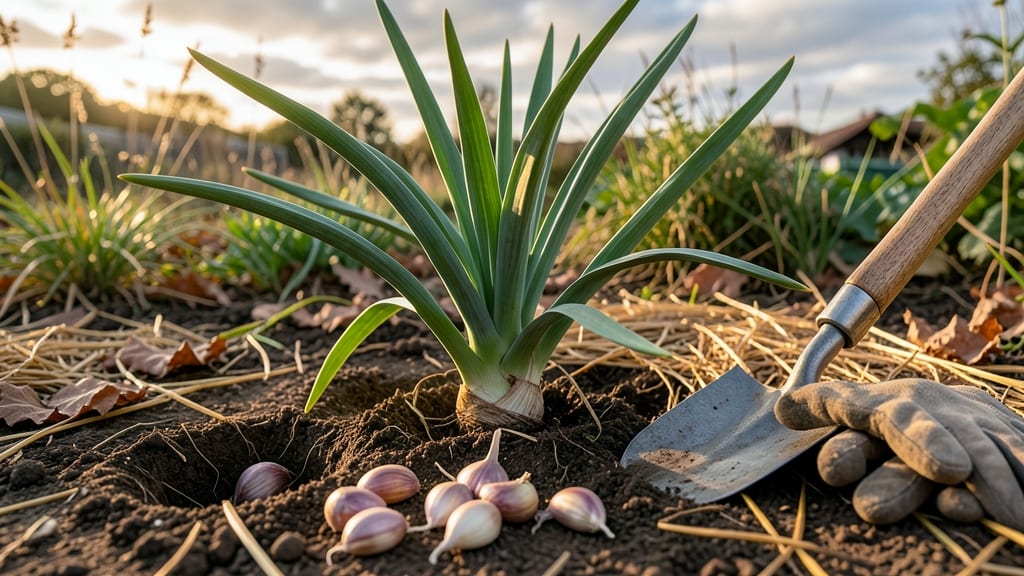
Planting garlic in North Carolina at the wrong time could mean the difference between a thriving harvest and wasted effort—especially when late frosts strike. The key to success lies in understanding your hardiness zone and the unique growing cycle of this hardy crop.
For gardeners in zones 6a-8a, the ideal window is October through November, when soil temperatures drop but before the ground freezes. This timing ensures your 🧄 bulbs establish roots while benefiting from winter's natural dormancy period.
Why does timing matter so much? Because garlic planted too early may rot in warm soil, while planting too late risks weak growth before spring. I’ll walk you through the exact steps to prepare your soil, select the right cloves, and avoid common mistakes that ruin harvests.
Whether you're a seasoned gardener or just starting, mastering this schedule will give you the confidence to grow plump, flavorful garlic year after year. Let’s dive into the fall prep calendar that works for North Carolina’s climate.
North Carolina garlic planting calendar: best fall dates by region
North Carolina’s diverse climate—from the cool mountain regions to the warmer coastal plains—means garlic planting dates vary dramatically by hardiness zone. The ideal window is 4-6 weeks before your first hard frost, but timing shifts from Zone 6b (Mountains) to Zone 8a (Coastal).
For most of NC, this falls between mid-October and early November, but let’s break it down by region to avoid frost-related failures.
In the Piedmont region (Zone 7a), where I’ve grown garlic for years, the sweet spot is late October. This gives cloves time to root before ground temps drop below 40°F. Meanwhile, Mountain gardeners (Zone 6b) should plant by mid-October—earlier frosts mean no second chances.
Coastal growers in Zone 8a can push planting to early November, as milder winters extend the window.
Hardneck varieties like ‘Music’ or ‘German White’ thrive in NC’s climate and need cold stratification to form bulbs. Softnecks like ‘Silverskin’ are more flexible but still benefit from fall planting. The key is ensuring soil temps stay above 50°F for root establishment before winter sets in.
🌱
| Region | USDA Zone | Best Planting Window | First Frost Date | Soil Temp Goal |
|---|---|---|---|---|
| Mountains | 6b | Mid-October | Nov 15 | 50–60°F |
| Piedmont | 7a | Late October | Nov 1 | 50–60°F |
| Coastal | 8a | Early November | Nov 15 | 55–65°F |
🌡️ Pro Tip: Use a soil thermometer to confirm temps before planting.
If you miss the fall window, spring planting is possible but yields are 50% smaller. Plant in February for a summer harvest, but prioritize fall—it’s when garlic really shines in NC.
I’ve seen neighbors skip fall planting only to regret it when their spring garlic bolts prematurely in July’s heat.
For container gardening, adjust dates 1–2 weeks earlier—pots cool faster. And if you’re in Zone 8a, consider softneck varieties like ‘California Early’ for a year-round harvest. They handle warmer winters better but still need some chill for bulb formation.
🌿
One last tip: Check your local extension office for microclimate adjustments. A valley in the Mountains might frost 2 weeks earlier than a nearby ridge. When in doubt, plant a test row in late October—you’ll thank me come harvest time!
How to prepare garlic for planting in North Carolina’s climate
Preparing garlic for planting in North Carolina isn’t just about sticking cloves in the ground—it’s about creating the perfect conditions for strong root development before winter dormancy.
The soil, clove selection, and pre-planting checks all play critical roles in ensuring your garlic thrives through the cold months and emerges healthy in spring.
First, focus on soil preparation. Garlic prefers well-draining soil with a pH between 6.0 and 7.0. Test your soil in early fall—if it’s too acidic, amend it with lime (for pH adjustments) or compost (for organic matter).
North Carolina’s clay-heavy soils in some regions can compact easily, so mix in sand or perlite to improve drainage.
Next, choose the right garlic cloves. Opt for hardneck varieties (like Music or German White) for colder zones (6a-7a) or softneck varieties (like Silverskin) for milder zones (7b-8a). Avoid store-bought garlic—its cloves often won’t sprout. Instead, source from reputable seed suppliers or local gardeners.
Before planting, soak cloves in water for 24 hours to encourage root growth. This step is especially important in North Carolina’s variable climate, where dry spells can delay germination. While soaking, inspect cloves for disease or soft spots—discard any that look compromised to prevent rot in your garden.