
Flowers
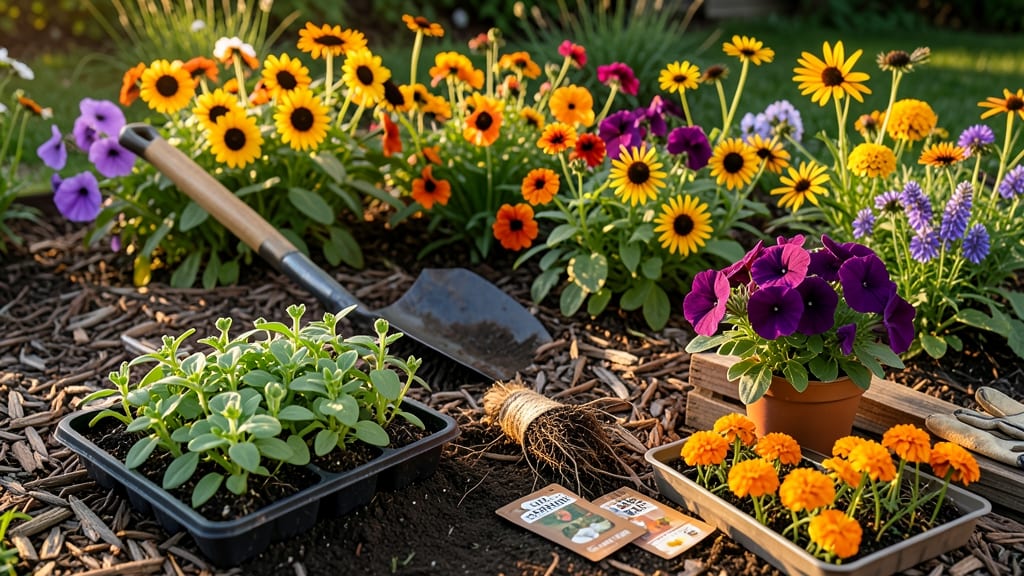
When to plant flowers in North Carolina means the difference between a showstopping garden and a sad, frost-nibbled disappointment. The Tar Heel State’s shifting frost dates—from late November in the mountains to December in the coast—can throw off even experienced gardeners if they don’t plan ahead.
You’ve probably heard the rule: “Plant after the last frost.” But in NC’s 6a-8b zones, that window varies wildly—sometimes by weeks. Whether you’re dreaming of vibrant spring azaleas or hardy fall mums, getting the timing right isn’t just about the calendar.
It’s about understanding your microclimate, soil prep, and which Flowers 🌸 can handle your region’s quirks.
In this guide, I’ll break down exactly when to plant for zero-frost survival, from coastal plains to the Appalachian foothills. You’ll learn which annuals and perennials thrive in spring vs. fall, plus pro tips to extend your bloom season—no matter where you live in the state.
Ready to turn your garden into a year-round paradise? Let’s dive into the perfect planting schedule for NC’s ever-changing climate.
North Carolina frost zones & ideal flower planting windows by month
North Carolina spans USDA hardiness zones 5a to 8b, meaning frost dates vary dramatically from the Coastal Plain to the Mountains.
In Zone 6a (western NC), the last frost typically hits around March 15, while Zone 8b (southeastern NC) sees frost as late as February 1. This variation means your planting timeline should shift based on your location to avoid frost damage.
For spring planting, aim to sow seeds or transplant cool-season flowers 2-4 weeks before your last frost date. In Zone 7a (Piedmont), that’s early March, while Zone 8a (Coastal) gardeners can start as early as February 15.
Fall planting follows a similar rule: plant 6-8 weeks before your first frost to give roots time to establish.
Annuals like petunias and marigolds thrive when planted after frost risk passes, while perennials such as daylilies can handle cooler soil and should go in during early spring or fall. Native flowers like black-eyed Susans are even more resilient, tolerating a wider planting window.
Here’s how to align your planting with NC’s frost zones for maximum success:
| Zone | Last Frost | First Frost | Spring Planting Window | Fall Planting Window |
|---|---|---|---|---|
| 5a-6a (Mountains) | March 15 | November 15 | April 1-15 | September 1-15 |
| 7a (Piedmont) | March 1 | November 1 | March 15-April 15 | September 15-October 1 |
| 8a-8b (Coastal) | February 1 | December 1 | February 15-March 15 | October 15-November 1 |
In Zone 6a, where late frosts are common, I recommend starting cool-season flowers indoors in February and transplanting outdoors after March 15. For Zone 8b, you can plant tender annuals like geraniums as early as February 1, but always monitor local forecasts for unexpected cold snaps.
Perennials like azaleas and daylilies can handle cooler soil, so they’re safe to plant in early spring or late fall. However, tender annuals like impatiens need to wait until after the last frost to avoid wilting. Always check NC State Extension’s frost date maps for your exact location.
For fall planting, focus on cool-season flowers like pansies and snapdragons, which thrive in 50-60°F soil. These can handle light frosts and even bloom through winter in Zone 8b. In Zone 6a, plant by September 15 to ensure roots establish before the ground freezes.
Pro tip: Use row covers or mulch to extend your planting window by 2-4 weeks in early spring or late fall. This is especially useful in transition zones like Zone 7a, where frost can strike unexpectedly.
Remember, soil temperature matters more than air temperature. Use a soil thermometer to confirm it’s above 50°F before planting seeds or young plants. In NC’s Piedmont region, this often means waiting until mid-April for optimal results.
By aligning your planting with local frost dates and soil conditions, you’ll enjoy longer bloom seasons and healthier plants—no matter where in North Carolina you garden. 🌸
Top 5 flowers to plant in spring vs. fall for NC gardens (with frost resistance ratings)
Choosing the right flowers for your North Carolina garden isn’t just about color—it’s about frost resistance. Some varieties thrive after spring’s last frost, while others handle fall’s early chill.
I’ve narrowed down the top 5 flowers that perform best in NC’s climate, ranked by their ability to survive freezes and deliver long-lasting blooms.
For spring planting, focus on varieties that tolerate light frosts after germination. In fall, opt for hardy perennials or cool-season annuals that can handle NC’s first frost dates.
Each of these picks includes planting depth, spacing, and soil prep tips to ensure they thrive in your zone.
🌱 Frost Resistance Ratings
1. Daylilies (Hemerocallis) are the ultimate NC perennial with ★★★★☆ frost resistance. These tough plants bloom from early summer to fall and thrive in USDA zones 3-9. Plant corms 1-2 inches deep in well-draining soil, spacing them 18-24 inches apart. They handle NC’s heat and humidity while reblooming year after year.
2. Pansies (Viola × wittrockiana) are perfect for fall planting with ★★★☆☆ resistance. Sow seeds or transplants 6-8 weeks before your first frost (typically September-October). Space them 8-12 inches apart in partial shade for prolonged blooms through winter. They’re edible too!
3. Marigolds (Tagetes) are annual powerhouses for spring planting with ★★☆☆☆ tolerance. Direct-sow seeds 1/4 inch deep after your last frost date, spacing them 8-12 inches apart. These sun-lovers repel pests naturally and bloom all summer long in NC’s full sun gardens.
4. Coneflowers (Echinacea) are perennial workhorses with ★★★★☆ resistance. Plant crowns 1-2 inches deep in spring or fall, spacing them 18-24 inches apart. They attract pollinators and handle NC’s drought-prone summers once established. Deadhead spent blooms for continuous flowers.
5. Petunias (Petunia × hybrida) are ideal for spring containers with ★☆☆☆☆ tolerance. Transplant after your last frost, spacing them 10-12 inches apart in well-draining soil. Pinch back early blooms to encourage bushier growth. For fall color, opt for cool-season varieties like wave petunias that handle light frosts.
Pro tip: Use mulch around perennials like daylilies and coneflowers to insulate roots during NC’s unpredictable winter freezes. For tender annuals like marigolds, consider row covers if an early frost threatens. With these frost-resistant picks, your NC garden will bloom beautifully year-round!