
Plants
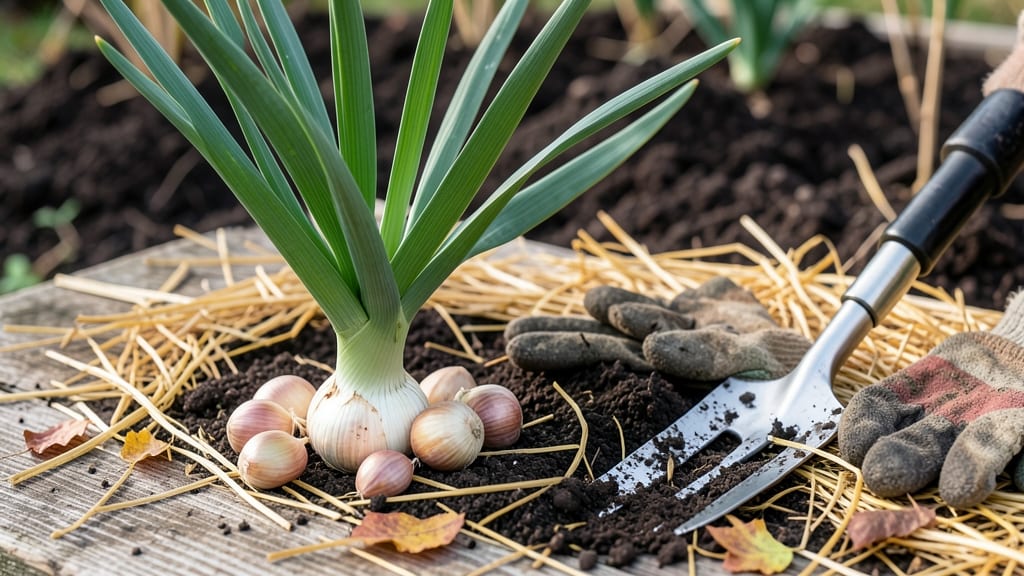
Planting garlic at the wrong time in California can turn your dream harvest into a flop—especially when you’re dealing with zero-frost zones and hardneck vs. softneck quirks. Unlike other crops, 🧄 thrives on cool winters, but timing isn’t one-size-fits-all across the state’s diverse microclimates.
Coastal gardeners in 10a can plant year-round, while inland 9b and mountain 7b zones need precise windows to avoid stunted bulbs. The key? Understanding your region’s frost-free days and soil temps—because even California’s mild winters have hidden pitfalls for garlic growers.
I’ll break down the exact months to plant for your location, whether you’re growing hardneck (for braiding) or softneck (for storage), and how to tweak timing for early or late seasons. No more guesswork—just cloves in the ground at the perfect moment for plump, flavorful harvests.
Ready to grow garlic like a pro? Let’s dive into the calendar that’ll make your July-August harvest the envy of your neighborhood.
California garlic planting calendar: month-by-month zero-frost timing for hardneck vs softneck varieties
California’s diverse climate means garlic planting times vary wildly from the coastal fog belts to the Central Valley’s baking summers. Unlike northern states, most of California rarely sees frost, which changes the game entirely.
Hardneck varieties—like ‘Silverskin’—need a 6-8 week cold period to form bulbs, while softnecks like ‘Artichoke’ thrive year-round in mild zones. Let’s break it down by region and variety.
For coastal areas (USDA Zone 10a), where winters are damp and rarely drop below 40°F, you can plant softneck garlic anytime. Hardnecks? Try October-November for that critical cold snap, but skip if you’re in San Diego or Santa Barbara—their mild winters won’t trigger bulb formation.
Inland valleys (Zone 9b) have warmer winters but cooler nights, making November-December ideal for hardnecks.
Mountain regions (Zone 7b) like the Sierra foothills get light frosts, so aim for October planting to ensure garlic gets its cold requirement before winter sets in. Desert areas (Zone 9-10)? Plant softnecks in fall or spring—hardnecks won’t bulb properly without cold. Pro tip: Use row covers in mild zones to simulate winter chilling if you’re growing hardnecks.
Here’s the month-by-month breakdown for California’s key regions, including hardneck vs. softneck differences and frost-free zone adjustments:
Why does this matter? Hardnecks like ‘German White’ or ‘Music’ need 40–50°F soil temps for 6–8 weeks to form bulbs. In San Francisco, that’s easy—just plant in late fall. But in Bakersfield, you’ll need to plant earlier to catch those cool November nights.
Softnecks, like ‘California Early’, don’t need cold and can even be harvested twice a year in mild zones.
For spring planting, aim for January–February in inland areas. This gives hardnecks a partial cold period before summer heat, though yields may be smaller. Coastal gardeners can push it to March, but bulbs will be smaller and less flavorful without proper chilling.
If you’re experimenting, try ‘Creole’ or ‘Chesnok Red’—they’re hardneck varieties that tolerate warmer winters better than others.
One critical mistake California gardeners make? Planting hardnecks in summer. The bulbs won’t form—you’ll just get long, skinny scapes (the curly garlic stems) with no cloves. Always match your variety to your microclimate, and when in doubt, plant softnecks. They’re the zero-frost champions of California gardening.
Need a quick cheat sheet? Bookmark this: Coastal = anytime for softnecks, Inland = November for hardnecks, Mountains = October. And if you’re in Zone 10? Skip hardnecks entirely—your mild winters won’t do them justice. 🧄
How to choose the perfect planting month for your California microclimate (with interactive risk map)
California’s diverse microclimates mean your garlic’s ideal planting window could be weeks—or even months—different from your neighbor’s. Coastal USDA Zone 10a gardeners can plant year-round, while inland Zone 9b growers need precise timing to avoid stunted bulbs. The secret? Soil temperature and frost-free days—not just calendar months.
Most California gardeners aim for October through December for fall planting, but January-February works too in mild areas. Hardneck varieties need 6-8 weeks of cool weather before dormancy, while softnecks adapt better to warmer winters. Let’s break down how to pick your perfect month based on your exact location.
🌡️ California Garlic Planting Risk Assessment
Use this soil thermometer trick: Garlic roots need 50-60°F soil to establish before winter. Check temps in your garden—if it’s below 50°F, wait 2-4 weeks. Inland areas like Fresno often hit this by mid-October, while coastal San Diego stays perfect until December.
Pro tip: Mountain gardeners (like those in Lake Tahoe) should plant by late September to avoid early frosts. Use row covers if you’re pushing the envelope for late-season planting—they add 4-6°F protection when temps dip.
For hardneck varieties (like 'Music' or 'German White'), time planting so bulbs mature by July-August. Softnecks ('Silverskin' or 'Artichoke') are more forgiving—plant anytime except summer, and they’ll store longer. The earlier you plant, the larger your bulbs.
Still unsure? Check your local frost-free days (aim for 180-240 days to harvest). Most California regions hit this by mid-October, but desert areas like Palm Springs can plant until January. Now grab those cloves—your perfect window is waiting!