
Plants
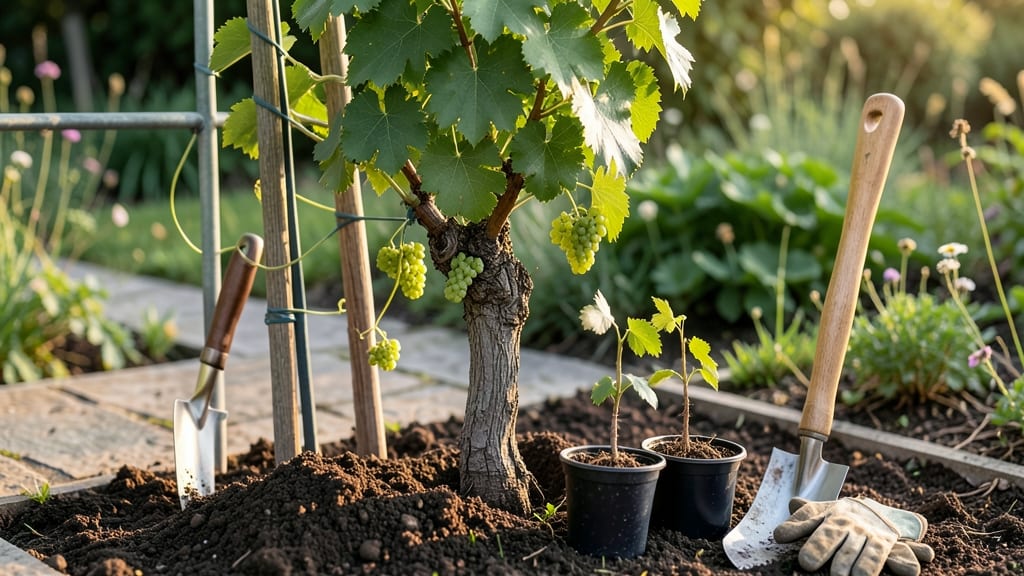
Knowing when to plant grapes in NC isn’t just about picking a month—it’s about matching your variety to North Carolina’s 6a-8b chill hours and avoiding the last frost that can wipe out tender new vines.
Whether you’re dreaming of homegrown Muscadines or bold Cabernet Sauvignons, planting too early or late throws off the whole growing season.
Most NC gardeners swear by late winter to early spring (February–April) or fall (September–October) for the best results, but the right timing depends on your region. Piedmont’s cooler nights demand different prep than Coastal Plain’s humidity, and container-grown vines need even more care to thrive.
Let’s break down how to sync planting with NC’s quirks for stronger roots and bigger harvests.
Here’s the game-changer: chill-hour requirements dictate when to plant. Muscadines need 500+ chill hours, while low-chill varieties like Cynthiana can handle just 200–300**.
Planting outside these windows risks weak growth or no fruit—so we’ll show you how to check your zone and adjust for soil warmth, frost dates, and even rain delays.
Ready to avoid the 3 biggest mistakes NC growers make? From soil prep tricks to container hacks for small spaces, this guide keeps your 🍇 vines on track for a harvest-ready crop by late summer. Let’s get those roots in the ground the right way.
NC grape planting timeline by chill-hour zones: best months for each variety
North Carolina’s USDA zones 7-8 create unique challenges for grape growers, where chill-hour requirements dictate the best planting windows. High-chill varieties like Muscadine grapes need 500+ chill hours, while low-chill Scuppernong grapes thrive with just 200-300 chill hours.
Your planting schedule must match your variety to avoid delayed budbreak or poor fruit set.
For Piedmont NC (Zones 7a-7b), where winters are colder, aim to plant dormant grapevines in late winter (February-March) or bare-root vines in fall (October-November). Coastal Plain regions (Zones 8a-8b) can extend planting into early April or September due to milder winters.
Always check your last frost date—planting too early risks frost damage to tender roots.
Here’s how chill-hour zones impact your planting timeline for popular NC varieties:
| Variety | Chill Hours | Best Planting Window | NC Zone Fit | Key Tip |
|---|---|---|---|---|
| Muscadine (e.g., 'Scuppernong') | 200-300 | Late Feb - Early Apr | Coastal Plain (8a-8b) | Plant after soil reaches 60°F |
| Norton (Black Reynard) | 400-500 | Oct - Nov or Feb - Mar | Piedmont (7a-7b) | Avoid fall planting in frost-prone areas |
| Cabernet Sauvignon | 500-600 | Feb - Early Mar | Mountains (6a-7a) | Use mulch to protect roots |
| Cynthiana (Norton) | 350-450 | Sep - Oct or Feb | All zones | Fall planting needs 6 weeks before frost |
If you’re in Zone 7b (Piedmont), prioritize fall planting (September-October) for varieties like Norton, as cooler temps help roots establish before winter. For Zone 8a (Coastal Plain), extend your window to early April—just ensure soil temperatures stay above 60°F to prevent root shock.
Pro tip: Bare-root vines planted in fall have 6-8 weeks to root before dormancy, while container-grown vines offer flexibility for late spring planting. Always soak bare roots in water for 1-2 hours before planting to revive them.
For container growing, NC’s shorter growing season works in your favor—plant in late spring (May) and move containers to a sunny spot or greenhouse in winter. Just ensure pots are at least 15 gallons to support mature vines.
Remember: Dormant vines (no leaves) plant best in fall or winter, while budding vines (green shoots) need warmer soil (60°F+) in spring. Check your vine’s root collar—it should be 2-3 inches above soil level after planting.
🍇
How to adjust planting time for NC’s microclimates: heat, soil, and rainfall factors
North Carolina’s diverse microclimates mean a Piedmont vineyard and a Coastal Plain garden can have wildly different planting windows. The Piedmont region (USDA zones 7a-7b) often sees earlier last frosts (around February 15), while the Coastal Plain (zones 8a-8b) may not freeze until March 15.
This shift can mean the difference between 3-4 weeks of planting flexibility.
Soil temperature is your real deadline. Grapes won’t thrive until the soil reaches 60°F or warmer. In the Mountains (zone 6a), this might not happen until late April, while the Coastal Plain could hit that mark by mid-March.
Use a soil thermometer to check—planting too early in cold soil stunts root growth.
🚨 CALLOUT-WARNING 🚨
⚠️ NC-Specific Warning
Coastal Plain growers: Early spring rains (March-April) can drown roots in heavy clay soils. Amend with compost or sand to improve drainage before planting. Piedmont gardeners: Late frosts (after March 15) risk killing young vines—wait until after April 1 for safety.
Container-grown grapes offer flexibility for microclimate challenges. Move pots to warmer microclimates (like a south-facing patio) in early spring, then transplant to the ground after May 1 when soil warms. This works especially well for low-chill varieties like Cynthiana, which can’t handle Piedmont’s 500+ chill hours.
Rainfall patterns also dictate timing. The Coastal Plain’s humid summers mean fungal risks if planting too late—aim for September-October to let roots establish before June rains. In contrast, Piedmont’s drier summers allow late-spring planting (May), but mulch heavily to retain moisture.
Track your local frost-free date (check the NC State Climate Office) and adjust by 2-3 weeks for container plants. For in-ground vines, fall planting (September) gives roots 6-8 weeks to establish before winter dormancy—a critical buffer against NC’s unpredictable freezes.
Pro tip: Plant Muscadines (high-chill) in Piedmont’s cooler zones, while Scuppernongs (low-chill) thrive in Coastal Plain’s warmth. Matching variety to microclimate doubles your harvest potential—and saves you from wasted vines.