
Plants
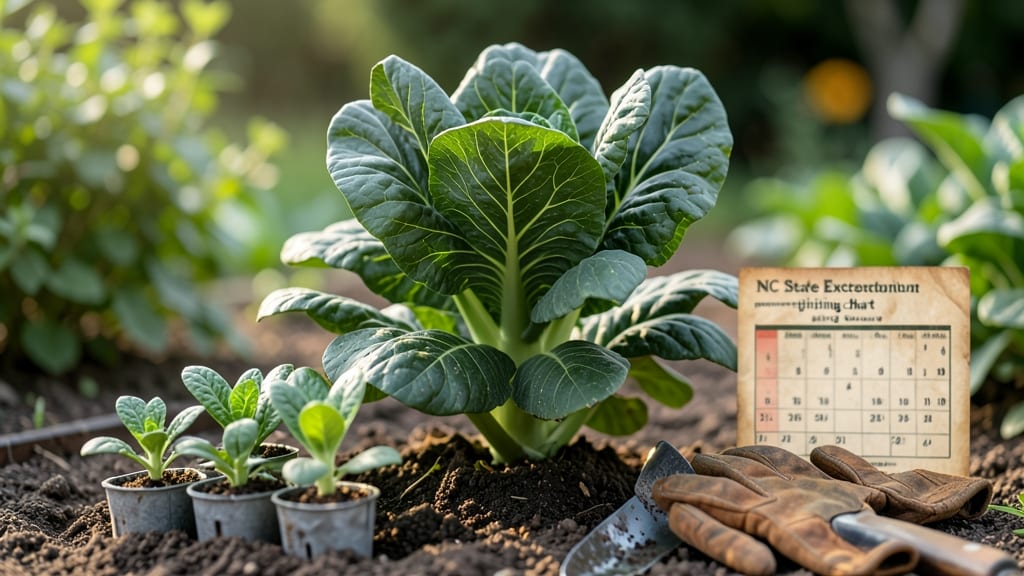
Planting collards in North Carolina at the wrong time can turn your garden into a bitter disappointment—unless you know the exact windows for your microclimate. These leafy greens 🥬 love the Tar Heel state’s mild winters, but timing is everything to avoid stunted growth or tough, unpalatable leaves.
Most gardeners in zones 7a-8b focus on two key planting seasons: spring (March-April) and fall (August-September). Spring collards give you an early harvest just as summer heat arrives, while fall plantings reward you with tender leaves through winter—perfect for hearty stews when frost threatens.
But getting the timing right depends on where you live in the state.
In the mountains (zone 7a), you’ll want to start seeds indoors by early March for a late-May transplant, while coastal gardeners (zone 8b) can push fall plantings into early October.
The key is calculating 60-90 days before your first frost date—typically mid-November in most of NC. Miss this window, and you’ll either harvest too late or too early.
I’ll break down the exact transplant schedules for each zone, plus how to adjust for your local microclimate—whether you’re in the Piedmont’s rolling hills or the Coastal Plain’s warmer stretches. Let’s make sure your collards grow sweet, crisp, and ready for the table.
North Carolina collard planting schedule by USDA heat zones (7a-8b)
Collards are a cool-season crop that thrives in North Carolina’s mild winters, but timing is everything. Planting too early exposes them to heat stress, while late planting risks frost damage before harvest.
The key is aligning your transplant schedule with your USDA heat zone and first frost dates. Most of NC falls between Zone 7a (coldest) and Zone 8b (mildest), with frost-free windows varying by 60-135 days.
For Zone 7a (e.g., Asheville, Boone), aim to transplant 60-90 days before your first frost (typically mid-November). This means starting in late July to early August for a fall harvest or March to early April for spring.
In Zone 8b (e.g., Wilmington, Fayetteville), you’ve got more flexibility—plant 105-135 days before frost, so late August to early September for fall or April to early May for spring.
Here’s the golden rule: Collards need 60-70 days to mature after transplanting. If you miss this window, you’ll end up with small, bitter leaves or plants that bolt in the heat.
For example, in Zone 7b (e.g., Charlotte, Raleigh), transplant 75-105 days before frost, meaning late July to mid-August for fall or early April for spring.
| USDA Zone | First Frost Date | Fall Planting Window | Spring Planting Window | Days to Harvest |
|---|---|---|---|---|
| 7a (Asheville, Boone) | Mid-November | Late July - Early August | March - Early April | 60-70 days |
| 7b (Charlotte, Raleigh) | Late November | Late July - Mid-August | Early April | 60-70 days |
| 8a (Greenville, Wilmington) | Early December | Early August - Mid-September | April - Early May | 60-70 days |
| 8b (Fayetteville, Lumberton) | Mid-December | Late August - Early September | Early May | 60-70 days |
Pro tip: Use succession planting to extend your harvest. In Zone 8a or 8b, you can even plant a late-summer crop (June) for a fall harvest before the first frost. Just be sure to harden off seedlings for 7-10 days before transplanting to avoid shock.
For spring planting, wait until soil temperatures reach 40°F (4°C)—usually mid-March to early April—to avoid cool-soil rot. In Zone 7a, spring transplants should happen by early April to ensure harvest before summer heat sets in.
In warmer zones like 8b, you can push it to early May.
Remember, collards are frost-tolerant but not frost-proof. A light frost (28°F/-2°C) sweetens their flavor, but prolonged cold (20°F/-7°C) will damage the plant. Use row covers or cold frames to protect young plants in Zone 7a during early fall or late spring.
If you’re in Zone 8b, you can even try overwintering collards by mulching heavily with straw or leaves to insulate roots. This lets you harvest year-round in mild winters, though growth slows significantly in January and February.
Start with healthy transplants from reputable nurseries or grow your own from seed. Avoid bolting (premature flowering) by choosing heat-tolerant varieties like ‘Georgia Southern’ or ‘Vates’ for NC’s climate.
North Carolina collard planting schedule by USDA heat zones (7a-8b)
North Carolina’s USDA zones 7a-8b create distinct windows for planting collards, but the real magic happens when you align your schedule with your first frost date. Most gardeners aim for 60-90 days before frost to ensure a full harvest before winter sets in.
For zone 7a (mountains), that means starting seeds indoors by early March for a late May transplant, while zone 8b (coastal) gardeners can push fall plantings into early October.
The key is calculating your frost-free days. In NC, the average first frost falls around mid-November, but coastal areas often delay frost until December**. Count backward from your local frost date to determine your ideal transplant window.
For example, if your frost arrives November 15, zone 7b gardeners should transplant by September 15 to harvest before winter.
Spring plantings offer an early harvest just as summer heat arrives, while fall plantings reward you with tender leaves through winter—ideal for hearty stews. But timing is everything: plant too early, and your collards bolt in summer heat; too late, and frost ruins your harvest.
🥬 North Carolina Collard Planting Schedule by Zone
| Zone | Transplant Window | Days Before Frost | Harvest Window |
|---|---|---|---|
| 7a (Mountains) | Late May - Early June | 60-90 days | October - Early November |
| 7b (Piedmont) | Early June - Mid-June | 75-105 days | October - Mid-November |
| 8a (Central) | Mid-June - Early July | 90-120 days | November - Early December |
| 8b (Coastal) | Early July - Mid-July | 105-135 days | December - Early January |
💡 Pro Tip: Use your local Cooperative Extension frost dates for precise timing.
For spring plantings, aim to transplant 4-6 weeks before your last frost date (typically late March in NC). This gives your collards time to establish roots before summer heat arrives.
In my Piedmont garden (zone 7b), I’ve found that transplanting in early June yields the sweetest fall harvest—just as the nights cool down.
Don’t forget about succession planting! Sow a second batch of seeds 4-6 weeks after your first transplant to extend your harvest into late fall. This works especially well in zones 8a and 8b, where the growing season stretches longer.
Just be sure to use frost cloth if temperatures dip below 25°F (-4°C).
Finally, monitor your local weather. A late spring frost can delay planting, while an early fall frost may shorten your harvest window. Adjust your schedule by 1-2 weeks if needed—collards are forgiving, but timing is everything for that perfect balance of sweet, tender leaves. 🌱