
Watering
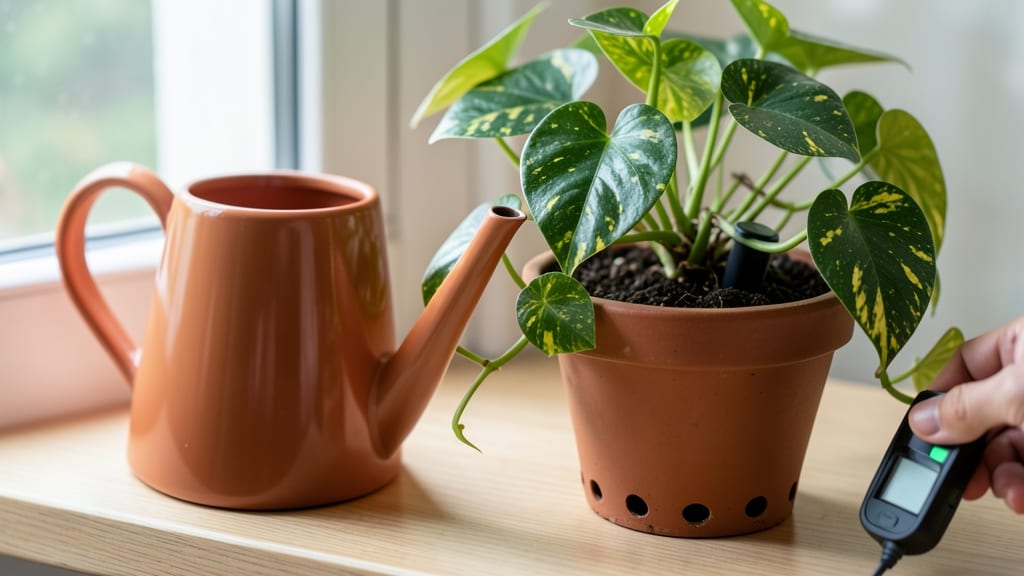
Figuring out how much water your pothos plant 🌿 needs can feel like walking a tightrope—too little and it wilts, too much and you risk root rot.
The good news? This hardy vine is forgiving once you learn its rhythm, and I’ve got the exact schedule to keep your pothos thriving without guesswork.
Most beginners overthink watering, but the key is simple: check the soil first. Stick your finger an inch deep—if it’s dry, it’s time to water. In USDA Zone 6a, seasonal shifts mean adjusting your routine, but with the right cues, you’ll never second-guess again.
We’ll break down the perfect watering frequency based on your pothos’s environment, plus how to spot the subtle signs it’s thirsty or drowning. No more yellow leaves or crispy edges—just lush, happy vines that grow year-round indoors.
Ready to master the art of watering? Let’s dive into the exact steps and troubleshooting tips that’ll have your pothos looking like a pro’s in no time.


Pothos watering schedule: how often based on soil & season
Mastering your pothos watering schedule starts with understanding its natural drought tolerance. As a native tropical vine, pothos stores water efficiently in its thick stems—meaning it can go weeks without water if conditions are right.
The key is checking soil moisture rather than following rigid timelines, since factors like pot size, humidity levels, and seasonal changes dramatically affect needs.
For most indoor pothos plants, aim to water every 1-2 weeks during active growth (spring and summer). However, this can stretch to 3-4 weeks in winter when growth slows.
The critical factor is letting the top 1-2 inches of soil dry out completely between waterings—this prevents root rot while keeping leaves lush and vibrant.
Your pothos's container type plays a huge role in watering frequency. Smaller pots dry out faster, requiring water every 7-10 days, while larger containers may only need attention every 14-21 days.
Terracotta pots also dry out quicker than plastic, so adjust accordingly. Pro tip: Stick your finger 1 inch deep—if it feels dry, it's time to water.
Seasonal adjustments are non-negotiable. During summer months, when humidity drops and air conditioners run, you may need to water every 5-7 days. Conversely, winter's low light and cool air mean your pothos might only need water every 3-4 weeks.
Pay attention to leaf color—yellowing often signals overwatering, while crispy edges mean underwatering.
Humidity levels dramatically impact watering needs. In dry climates or homes with low humidity (below 40%), pothos may need more frequent watering. Conversely, humid environments (like bathrooms) can extend the time between waterings. Consider using a hygrometer to monitor levels—aim for 40-60% humidity for optimal growth.
| Condition | Watering Frequency | Key Indicators |
|---|---|---|
| Spring/Summer | Every 7-14 days | Top 1-2" soil dry |
| Fall/Winter | Every 14-21 days | Top 2-3" soil dry |
| Small Pot (<4") | Every 5-7 days | Dries out quickly |
| Large Pot (>8") | Every 14-28 days | Retains moisture |
| Low Humidity (<40%) | Every 5-10 days | Leaf edges brown |
| High Humidity (>60%) | Every 14-21 days | Slow growth |
Never let your pothos sit in standing water—this is a fast track to root rot. Always ensure pots have drainage holes, and empty saucers after watering. If you notice yellow leaves paired with mushy stems, you're likely overwatering.
On the flip side, dry, crispy leaf tips signal underwatering. The goal is consistent moisture without soggy soil.
For beginners, I recommend using the "finger test" method: Insert your finger 1-2 inches into the soil. If it feels dry, water thoroughly until water runs out the drainage hole.
For a more precise approach, use a moisture meter—these inexpensive tools take the guesswork out of watering and prevent both over- and underwatering.
One common mistake is watering on a strict schedule without checking soil conditions. Pothos plants are resilient but not indestructible—adjust your routine based on your home's specific conditions.
For example, my pothos in the west-facing room needs water every 10 days, while the one in the bathroom goes 21 days between waterings. Observe your plant's response and adjust accordingly.
Remember, pothos plants are forgiving but not invincible. The key to long-term success is consistency with flexibility. Pay attention to leaf color, soil texture, and growth patterns—your pothos will tell you exactly what it needs if you learn to listen.
With the right watering approach, your plant will reward you with glossy leaves and vigorous vines for years to come.
Pothos watering schedule: how often based on soil & season
Your pothos plant thrives on a consistent but flexible watering routine. Unlike thirsty succulents, pothos prefers to dry out slightly between waterings—typically every 1-2 weeks. But this schedule shifts with seasonal changes, pot size, and humidity levels.
Let’s break down the exact timing to keep your vines lush without risking root rot or dehydration.
First, check your pothos’s soil moisture before watering. Stick your finger 1-2 inches deep—if it feels dry, it’s time. In spring and summer, when growth speeds up, you’ll water more frequently.
In fall and winter, growth slows, so you’ll water less. Humidity also plays a role: Dry air means faster evaporation, so you may need to water more often.
Pot size matters too. A small 4-inch pot dries out faster than a 10-inch container. If your pothos is in a large pot, wait until the top 3 inches of soil are dry. For smaller pots, check the top 1 inch. Always use a pot with drainage holes to prevent soggy roots—this is non-negotiable for pothos health.
| Season | Watering Frequency | Soil Check Depth | Notes |
|---|---|---|---|
| Spring | Every 10-14 days | Top 1-2 inches | Active growth phase |
| Summer | Every 7-10 days | Top 1 inch | Higher evaporation; monitor daily |
| Fall | Every 10-14 days | Top 2 inches | Growth slows; reduce frequency |
| Winter | Every 14-21 days | Top 2-3 inches | Dormant phase; minimal water |
For container-grown pothos, adjust based on pot material. Terracotta pots dry out faster than plastic or ceramic, so check soil moisture more often.
If your home has low humidity (common in winter with indoor heating), consider placing a pebble tray under the pot or grouping pothos with other plants to boost humidity naturally. This mimics their tropical habitat and reduces watering needs.
One common mistake is watering on a schedule instead of checking soil moisture. Pothos are resilient, but overwatering leads to yellow leaves and mushy stems, while underwatering causes crispy edges and drooping vines.
Always water in the morning to allow excess moisture to evaporate during the day. Avoid nighttime watering, as damp foliage can attract pests like spider mites.
Pro tip: If you’re unsure whether to water, underwater slightly. Pothos store water in their vines, so they can handle brief dry spells better than soggy conditions. With the right balance, your pothos will reward you with glossy leaves and rapid growth—no guesswork required.