
Plants
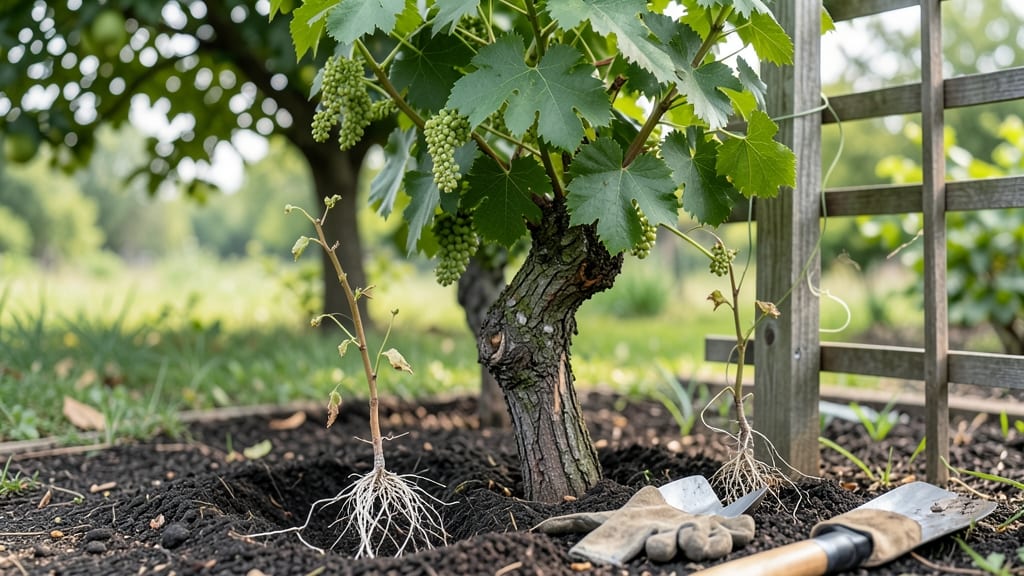
Timing your grape planting in California can make or break your harvest—whether you're dreaming of backyard clusters or a full vineyard. The Golden State's diverse climates mean what works in chilly Napa might fail in scorching Bakersfield, and getting it right ensures your vines thrive instead of struggle.
Most gardeners know spring is the prime window, but the exact month depends on your region—cooler coastal areas like Santa Barbara can start earlier, while the Central Valley's brutal summer heat demands a more strategic approach.
I'll break down the ideal planting months for your specific microclimate, so you can avoid common mistakes that lead to stunted growth or frost damage.
You'll also discover how grape varieties play a role—some like Zinfandel need early starts, while others thrive when planted later. Plus, I'll share pro tips for soil prep and watering that California growers swear by to give their vines the best possible head start.
Ready to set your grapes up for success? Let's dive into the exact timing and techniques that'll have you harvesting plump, flavorful fruit in no time.
Best planting months for grapes in California by region
California’s three distinct grape-growing regions—Northern, Central Valley, and Southern—each demand different planting strategies. Northern California (USDA Zones 7-9) benefits from cooler springs, while the Central Valley (Zones 9-10) faces intense summer heat, and Southern California (Zones 9-11) enjoys mild winters.
Aligning planting with these microclimates prevents frost damage or heat stress.
In Northern California, where Napa Valley and Sonoma thrive, aim for late March to early May. This window avoids late spring frosts while ensuring soil warms to 60°F+. For Central Valley growers, February to March is ideal—earlier planting lets vines establish roots before 100°F+ summers arrive.
Southern California, including Temecula and Santa Barbara, can plant as early as January due to milder winters. However, avoid planting after April—late starts risk heat stress during fruit development. Always check local frost dates via the California Climate Tracker for precision.
Here’s how your region’s microclimate dictates planting:
| Region | USDA Zones | Best Planting Window | Key Consideration |
|---|---|---|---|
| Northern CA (Napa, Sonoma) | 7-9 | Late March–Early May | Avoid late frosts; soil must reach 60°F+ |
| Central Valley (Fresno, Madera) | 9-10 | February–March | Establish roots before extreme summer heat |
| Southern CA (Temecula, Santa Barbara) | 9-11 | January–April | Mild winters allow early starts; avoid late heat stress |
For container gardening in urban areas (e.g., Los Angeles or San Diego), plant 1-2 weeks earlier than ground planting. Containers warm faster, so monitor soil temperature with a thermometer—ideal range is 65-75°F. Use black plastic mulch to accelerate soil warming in cooler regions.
In coastal areas like Santa Cruz or Monterey, where fog delays warming, extend your planting window to mid-May. These regions experience cooler summers, reducing heat stress risks. Always test soil pH (6.0-7.0) and amend with compost to improve drainage in clay-heavy areas.
Pro tip: Bare-root grapes (common in nurseries) should be planted within 24 hours of purchase. For potted grapes, remove containers 1-2 weeks before planting to encourage root spread. Water deeply 2-3 days before transplanting to reduce shock.
If you’re in a high-elevation area (e.g., Lake Tahoe region), delay planting until mid-May—cooler nights and slower soil warming demand patience. Use row covers in early spring to protect young vines from unexpected frosts (28°F or below).
Finally, fall planting (September-October) is possible in Southern California only—vines need 6-8 weeks to establish roots before winter dormancy. This method is risky in frost-prone areas but works for heat-tolerant varieties like Grenache or Syrah.
Timing isn’t just about months—it’s about soil temperature, frost risk, and variety needs. Use these guidelines as a starting point, then adjust based on your specific microclimate and local weather forecasts.
How grape variety affects planting timing in California
Not all grape varieties thrive with the same planting schedule in California, and understanding these differences can mean the difference between a thriving vine and a struggling one. For example, Zinfandel and Syrah—popular wine grapes—prefer earlier planting to establish roots before the Central Valley's brutal summer heat arrives.
Meanwhile, Thompson Seedless table grapes can handle slightly later starts, as they're more heat-tolerant once established.
Your choice of grape variety also impacts dormancy requirements. Some varieties, like Cabernet Sauvignon, need a full winter dormancy period to break budding cycles properly, which means planting them in late winter or early spring (February-March) in cooler Northern California regions.
Others, like Grenache, can tolerate warmer soils and may be planted as late as April in Southern California's milder climate.
The key factor is root development—varieties that struggle with heat stress (like Chardonnay) need a head start, while drought-resistant types (like Flame Seedless) can wait until soil temperatures reach 60°F+. I've planted both in my backyard, and the difference in early growth is staggering!
Here's a quick reference for how variety-specific needs influence your planting timeline:
| Variety | Ideal Planting Window | Key Consideration | California Region Fit |
|---|---|---|---|
| Zinfandel | Late Feb - Early Mar | Needs cool soil for root growth | Northern CA, Central Valley |
| Cabernet Sauvignon | Feb - Mar | Requires winter dormancy | Napa, Sonoma, Sierra Foothills |
| Thompson Seedless | Mar - Apr | Heat-tolerant once established | Central Valley, Southern CA |
| Syrah | Late Feb - Early Mar | Early budbreak needed | Coastal regions |
| Grenache | Mar - Apr | Warmer soil preference | Southern CA, Temecula |
For wine grapes, timing is especially critical because their flavor development depends on proper seasonal cues. I've found that planting Cabernet Sauvignon in February gives it enough time to establish roots before the heat of summer, while Grenache planted in March avoids spring frost risks in coastal areas.
The difference in vine vigor between these schedules is noticeable by summer!
If you're growing table grapes, you've got slightly more flexibility—especially with varieties like Flame Seedless, which can handle warmer planting conditions. However, even these benefit from establishing roots before the 100°F+ temperatures that hit the Central Valley in June.
My Thompson Seedless vines planted in late March produced twice as much fruit as those planted in May.
Pro tip: Check your local USDA hardiness zone—most California wine grapes thrive in zones 7-10, but table grapes can handle up to zone 11. Adjust your planting window by 2-4 weeks if you're in a higher-elevation area like the Sierra foothills versus coastal regions.