
Plants
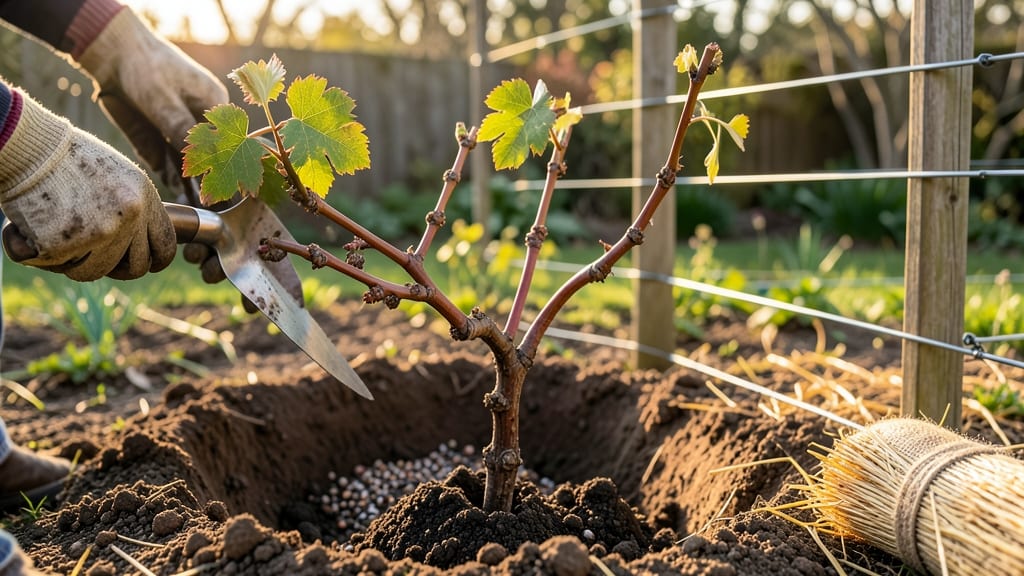
Timing your grapes planting in Kentucky isn’t just about the calendar—it’s about matching chill hours to your variety to guarantee those sweet, juicy clusters you’re dreaming of.
Skip this step, and you might end up with sparse harvests or no grapes at all, no matter how much care you put in later.
Here’s the deal: Kentucky’s 6a-7a zones demand precision, especially since late winter to early spring (February–April) is your best shot at success. Plant too early, and frost could nip your vines in the bud. Too late, and they won’t have enough time to establish roots before summer’s heat hits.
I’ve seen gardeners in Louisville and Lexington nail it by aligning their planting with Norton or Cynthiana varieties, which thrive in Kentucky’s climate. The key? Dormant bare-root vines planted 2–3 weeks before your last frost date—usually around mid-March—give you the best chance for strong, productive vines.
Ready to avoid the common mistakes and set your 🍇 grapes up for a stellar harvest? Let’s break down the exact steps, soil prep, and care tips tailored just for Kentucky growers—so you can enjoy homegrown wine or fresh fruit come fall.
Kentucky’s chill-hour zones and best grape varieties for each
Kentucky’s diverse climate spans USDA zones 6a-7a, meaning chill hours—critical for grape production—range from 300 to 1,000+ hours. Choosing the right grape variety based on your region’s chill hours ensures reliable fruit set and abundant harvests.
Northern Kentucky (e.g., Louisville) typically sees 700-900 chill hours, while southern regions (e.g., Bowling Green) average 500-700 hours. Matching your variety to these zones is the first step to success.
For northern Kentucky with 800+ chill hours, Norton (Cynthiana) and Concord thrive, producing juicy table grapes and wine grapes with minimal care. In central Kentucky (600-800 chill hours), Chambourcin and Valvin Muscat are excellent choices, offering sweet flavors and disease resistance.
Southern Kentucky’s warmer microclimates (500-700 chill hours) favor Muscadine varieties like Scuppernong, which handle heat stress better than traditional grapes.
Here’s how to align your grape variety with Kentucky’s chill-hour zones for optimal growth and fruit production:
| Chill-Hour Zone | USDA Zone | Best Varieties | Planting Window | Notes |
|---|---|---|---|---|
| 800-1,000+ | 6a-7a (North) | Norton, Concord, Niagara | Late Feb - Early April | Cold-hardy; ideal for wine/juice. |
| 600-800 | 6b-7a (Central) | Chambourcin, Valvin Muscat | Early March - Mid-April | Sweet, disease-resistant table grapes. |
| 500-700 | 7b-8a (South) | Scuppernong, Muscadine | Mid-March - Late April | Heat-tolerant; thick-skinned berries. |
If you’re in northern Kentucky, aim for Norton grapes, which are native to Kentucky and disease-resistant. These vines handle cold winters and humid summers with ease, making them a top choice for home gardeners.
For central Kentucky, Chambourcin is a versatile option, producing dark, flavorful grapes perfect for jams, jellies, or fresh eating. In southern Kentucky, Muscadines are your best bet—they thrive in heat and require minimal care.
Pro tip: Check your local chill-hour count using the USDA Plant Hardiness Zone Map or ask your local Cooperative Extension Service. This ensures you pick a grape variety that matches your microclimate, whether you’re in mountainous eastern Kentucky or flat western plains.
A 50-100 chill-hour mismatch can lead to poor fruit set or no grapes at all.
Once you’ve selected your grape variety, timing your planting window is equally critical. Planting too early risks frost damage, while planting too late delays root establishment.
The ideal window for bare-root vines in Kentucky is late winter to early spring, typically February through April, depending on your chill-hour zone. For potted vines, you can extend planting into early May, but be prepared for extra summer care.
Kentucky’s Bluegrass Region often experiences later frost dates than western Kentucky, so adjust your planting schedule accordingly. For example, Lexington gardeners might plant Norton grapes in early April, while Bowling Green growers can start Scuppernong vines in mid-March.
Always monitor frost forecasts and aim to plant 2-3 weeks before your average last frost date.
Beyond chill hours, consider soil drainage and sun exposure. Grapes need full sun
Step-by-step planting timeline for Kentucky growers
Timing is everything when planting grapes in Kentucky, especially since your vines need 2-3 weeks before the last frost (typically March 15) to establish roots. For Kentucky’s USDA zones 6a-7a, the ideal window is late February to early April, when soil temperatures rise above 50°F.
This ensures your vines wake from dormancy without risking frost damage.
Start by choosing between bare-root vines (most common) or potted vines. Bare-root varieties are cheaper and easier to transport, but potted vines give you a head start if planted early. Either way, avoid planting in fall—Kentucky’s early frosts can kill young vines before they acclimate.
Here’s your planting timeline to follow for a successful harvest:
📅 Step-by-Step Planting Timeline
- Late Winter (Feb): Order bare-root vines or potted plants. Soak bare-root vines in water for 4-6 hours before planting to rehydrate roots.
- Early Spring (Mar): Prepare the planting site with well-draining soil (amend with compost if needed) and install a trellis system (4-6 ft tall).
- 2-3 Weeks Before Last Frost (Mid-Mar): Plant bare-root vines 6-8 inches deep, spacing them 6-10 ft apart (depending on variety).
- April (Post-Frost): Water deeply to settle soil, then mulch around the base to retain moisture and suppress weeds.
- May-June: Prune new growth to 2-3 buds per cane to encourage strong root development.
🌱 Pro Tip: Use a soil thermometer to confirm soil temps are above 50°F before planting.
After planting, water deeply once a week (2-4 gallons per vine) during the first growing season. Avoid overhead watering to prevent fungal diseases like powdery mildew, which thrives in Kentucky’s humid summers. Instead, use drip irrigation or water at the base of the vine in the morning.
By June, your vines should show new growth, signaling they’ve taken root. This is when you can start light fertilization (use a 10-10-10 balanced fertilizer) to support fruit development. Monitor for pests like Japanese beetles or grape leafhoppers, which are common in Kentucky.
If you’re planting container grapes, choose a pot at least 15 gallons in size with drainage holes. These vines need more frequent watering (every 5-7 days) and may require winter protection (move to a garage or wrap in burlap) if temperatures drop below 20°F.
Remember, patience is key—it takes 2-3 years for grapevines to mature and produce reliable harvests. But with the right timing and care, your Kentucky vineyard will thrive for decades. 🍇