
Plants
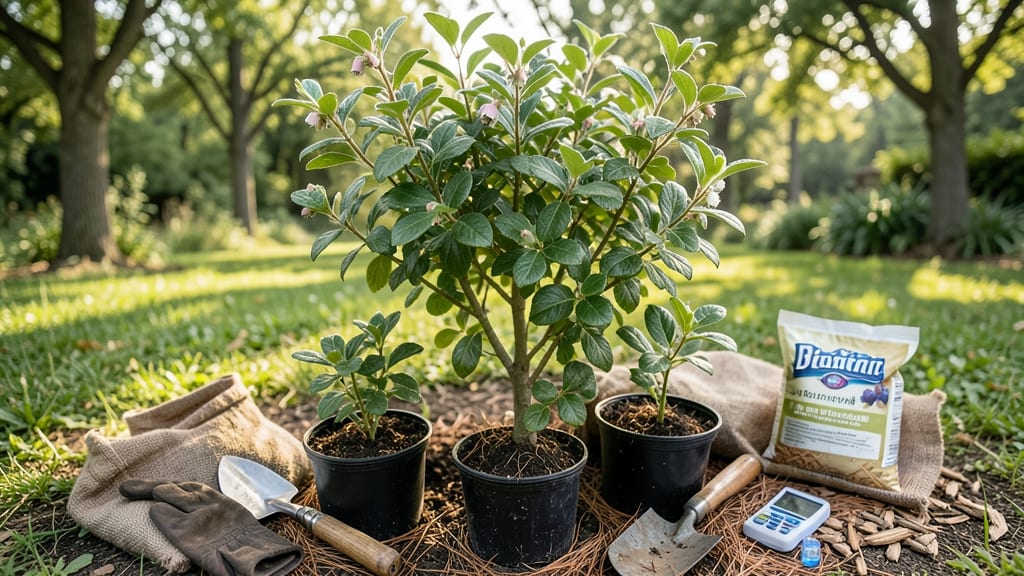
Timing your blueberry 🫐 planting in Colorado isn’t just about waiting for spring—it’s about matching your bushes to the state’s chill-hour zones and avoiding late frosts that can wipe out your crop before it even starts.
With Colorado’s dramatic elevation shifts and unpredictable frost dates, planting too early or too late can mean the difference between a bountiful harvest and wasted effort. The right window—typically late April to early June—gives your bushes enough time to establish roots before summer heat sets in.
I’ll break down exactly how to sync your planting schedule with Colorado’s microclimates, from Denver’s USDA Zone 5** to the Western Slope’s higher elevations.
You’ll learn which varieties thrive where, how to prep your soil for acid-loving blueberries, and when to watch for those sneaky late frosts that can derail your plans.
Whether you’re a first-time gardener or a seasoned grower, getting this timing right is the key to sweet, plentiful berries year after year—no guesswork required.
Best planting months in Colorado based on chill hours and microclimates
Colorado’s diverse climate—from the Front Range’s 5,000-foot valleys to the Western Slope’s arid high deserts—means blueberry planting isn’t one-size-fits-all. The key? Matching your chill-hour zone (300–1,000+ hours below 45°F) with the right planting window.
Most Colorado growers succeed by planting in late April to early June, but timing shifts with elevation and microclimates.
For example, Denver’s USDA Zone 5-6 (avg. last frost: April 10) thrives with spring planting in May, while Colorado Springs (Zone 6) (avg. last frost: May 5) often waits until early June.
Meanwhile, Grand Junction’s Zone 7 (warmer, 300+ chill hours) can plant as early as March for early varieties.
Here’s how to align your planting with Colorado’s chill-hour zones and microclimates for maximum fruit production:
| Region | Chill Hours | Best Planting Window | Key Varieties | Notes |
|---|---|---|---|---|
| Front Range (Denver, Boulder) | 600–900 hrs | Late April–Early June | Bluecrop, Patriot | Wait for soil >45°F; mulch heavily. |
| Colorado Springs | 500–700 hrs | Early June | Jersey, Earliblue | Higher elevation = later planting. |
| Western Slope (Grand Junction) | 300–500 hrs | March–April | Top Hat, Sunshine Blue | Drier climate; water deeply. |
| Eastern Plains (Pueblo) | 400–600 hrs | Late April–May | Duke, Legacy | Wind protection critical. |
Spring planting is ideal because it gives bushes 6–8 weeks to establish roots before Colorado’s hot, dry summers. However, fall planting (September–October) works in Zone 6+ areas (e.g., Colorado Springs) if you choose dwarf varieties and protect roots with 4+ inches of mulch.
Avoid fall planting in Zone 5 (e.g., Denver) due to early frosts.
Pro tip: Use local frost data from Colorado State University’s AgriMet to fine-tune your timing. For example, Fort Collins’ last frost averages April 20, while Aspen’s can linger until June 1—adjust accordingly. Always plant after soil temperatures reach 50°F for 10+ days.
Another critical factor is soil temperature. Blueberry roots need 55°F+ soil to thrive. Use a soil thermometer to monitor—planting too early in cold soil stunts root growth. In high-altitude gardens (5,000+ ft), wait until late May to ensure roots warm up before summer’s heat arrives.
Don’t overlook microclimates within your area. A south-facing slope warms faster than a north-facing yard, allowing earlier planting. Similarly, urban heat islands (e.g., Denver’s downtown) can push planting back by 2–3 weeks compared to rural areas. Observe your yard’s sun exposure patterns for a week before planting.
Finally, chill-hour requirements dictate variety choice. High-chill varieties (800+ hrs) like Bluecrop struggle in Zone 7 (Western Slope), while low-chill types (300–500 hrs) like Top Hat thrive there. Match your chill hours to the variety’s needs to avoid poor fruit set.
How to adjust planting time for high-altitude Colorado gardens (5,000+ feet)
Colorado’s high-altitude regions—think Rocky Mountain National Park or Aspen—pose unique challenges for blueberry growers. The shorter growing season and earlier frosts demand careful timing and variety selection.
At elevations above 5,000 feet, you’ll need to adjust your planting strategy to maximize success, whether you’re growing in Denver’s foothills or Leadville’s alpine zones. The key is to extend the season and protect young plants from late-spring frosts, which can devastate tender new growth.
First, prioritize early-ripening varieties like ‘Patriot’ or ‘Top Hat’, which mature 2-3 weeks faster than standard types. These varieties thrive in USDA Zones 4-6, making them ideal for Colorado’s high-altitude gardens.
Planting them 2-3 weeks earlier than lowland varieties (around mid-April instead of late April) gives them a head start before frost risks subside. Pair this with cold frames or row covers to shield young plants from unpredictable late frosts, which can occur well into May at higher elevations.
For container-grown blueberries, timing is even more critical. Since pots lack the thermal mass of in-ground soil, they’re more vulnerable to temperature swings.
Plant potted blueberries 4-6 weeks earlier than in-ground plants (around late March) and move them to a protected location (like a sunny patio or greenhouse) once nighttime temperatures consistently stay above 40°F.
This early start helps compensate for the shorter summer and ensures fruit development isn’t cut short by frost.
🌱 5 Key Adjustments for High-Altitude Blueberry Planting
- 1. Plant early: Start mid-April (or late March for containers) to beat frost risks.
- 2. Choose cold-hardy varieties: Opt for ‘Patriot’ or ‘Jersey’ (300–600 chill hours).
- 3. Use frost protection: Cover young plants with row fabric until May 15+ in mountainous areas.
- 4. Extend the season: Use cold frames or hoop tunnels to protect blooms and fruit.
- 5. Mulch heavily: Apply 4–6 inches of straw to insulate roots and retain moisture.
Another critical factor is soil warmth. High-altitude soils stay cold longer, slowing root establishment. To counteract this, amend your planting hole with compost and peat moss to improve drainage and warmth.
If your soil is rocky or slow to warm, consider planting in raised beds, which heat up 2–3 weeks earlier than in-ground soil. This gives your blueberries a faster start and reduces the risk of spring frost damage to emerging shoots.
Finally, monitor local frost dates using resources like the Colorado Climate Center or Almanac’s Frost Calculator. In Fort Collins, for example, the average last frost is May 5, while in Grand Junction, it’s as late as May 15.
Planting 2 weeks before your local average gives your blueberries a buffer against late frosts. Pair this with regular pruning to remove weak or frost-damaged branches in early spring, ensuring the plant directs energy to fruit production rather than recovery.
With these adjustments, you can successfully grow blueberries at 5,000+ feet—even in Colorado’s most challenging microclimates. The secret lies in early planting, variety selection, and protection, not just hoping for the best. Start now, and you’ll be enjoying homegrown blueberries by mid-July, despite the altitude. 🌿