
Plants
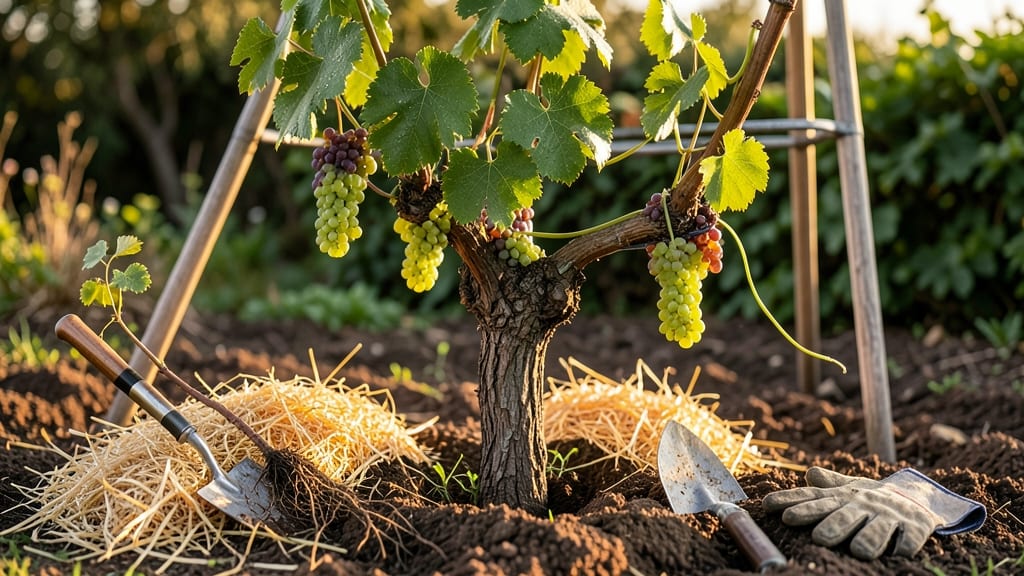
Timing your 🍇 grapes planting in Arizona isn't just about following a calendar—it's about outsmarting the desert's extremes. With 9b climate and unpredictable monsoons, planting too early or late can turn your vines into crispy casualties before they even take root.
Most Arizona gardeners swear by the November-February window, when cooler temps give young roots a fighting chance. But here's the catch: your grape variety matters more than the month.
Heat-loving Muscadines behave differently than delicate Cabernets, and your local microclimate (Phoenix vs. Tucson) can shift the ideal timeline by weeks.
I've helped Arizona growers nail their planting schedule for thriving vines, and the key isn't just picking a month—it's understanding how soil temperature, monsoon timing, and even your irrigation system interact.
Let me show you exactly how to read your local conditions and choose the perfect planting window for your grapes.
Whether you're dreaming of backyard wine grapes or juicy table varieties, getting this right means the difference between harvest-time triumphs and summer-time sorrow. Let's dive into the science (and secrets) that will have your vines reaching for the sky by June.
Best months to plant grapes in Arizona by variety (heat-tolerant guide)
Arizona’s USDA Zone 9b climate demands precise timing for grape planting—too early and your vines scorch; too late and they struggle to establish roots before summer. The ideal planting window spans November through February, when soil temperatures drop below 80°F and monsoon rains taper off.
This schedule aligns with Arizona’s frost-free period (240 days) to maximize vine survival.
For wine grapes like Cabernet Sauvignon and Syrah, aim for December-January—their deep roots need 6-8 weeks to establish before Arizona’s 110°F+ heat arrives. Table grapes (e.g., Thompson Seedless) tolerate slightly warmer soil, making November-February ideal.
Native varieties like Muscadine and Concord can handle March planting in cooler microclimates like Flagstaff.
Microclimates matter! In Phoenix, plant by mid-January to avoid spring heatwaves. Tucson’s higher elevation allows February plantings, while Yuma’s extreme heat shortens the window to November-December. Always check your local last frost date (typically January 15) and plant 4-6 weeks prior.
| Variety | Best Planting Months | Soil Temp Requirement | Notes for AZ |
|---|---|---|---|
| Cabernet Sauvignon | December-January | 50-65°F | Needs deep soil; avoid Phoenix summer heat |
| Syrah | December-January | 50-65°F | Drought-tolerant; mulch heavily |
| Thompson Seedless | November-February | 55-70°F | Fast-growing; needs trellis support |
| Muscadine | March (high elevation) | 60-75°F | Native; thrives in Tucson/Flagstaff |
| Concord | November-February | 50-65°F | Cold-hardy; good for Yuma’s cooler winters |
If you miss the ideal window, October or March can work for hardy varieties like Concord or Thompson Seedless, but expect slower establishment. Avoid planting in April-June—Arizona’s 110°F+ soil temperatures will kill young vines within 2 weeks.
For container planting, extend the window by 1 month (use 5-gallon pots with drip irrigation).
Pro tip: Test your soil’s pH (6.0-7.0) and drainage before planting. Arizona’s alkaline soils often need sulfur or peat moss amendments. Drip irrigation is non-negotiable—overhead watering causes fungal diseases in the desert heat. Install trellis systems immediately to support 15-25 ft vines.
For wine grapes, prioritize deep, well-draining soil—they hate waterlogged roots. Table grapes tolerate slightly poorer soil but need consistent moisture during fruit development. Always mulch with straw (2-3 inches) to retain moisture and regulate soil temperature.
In Yuma’s extreme climate, shade cloth (30% coverage) can protect young vines during March-April heat spikes.
Timing isn’t just about months—it’s about soil temperature. Use a soil thermometer to confirm temps are below 70°F before planting.
In Phoenix, this often means waiting until mid-January, while Tucson gardeners can start in late December. Elevated beds with black plastic mulch can warm soil faster in cooler microclimates, allowing early March plantings for heat-tolerant varieties.
Remember: Bare-root vines (sold dormant
Critical factors that determine Arizona grape planting success (beyond the calendar)
Arizona’s grape-growing success hinges on more than just picking the right month—your soil temperature, monsoon timing, and frost risk can override traditional planting advice. Even the most experienced growers trip up here, especially when balancing the desert’s extremes with grape vine needs.
For example, Phoenix gardeners often plant in December when soil temps drop to 60°F, but Tucson’s higher elevation means November planting works better. The key is understanding how these factors interact with your specific grape variety and microclimate.
Let’s break down the hidden variables that separate thriving Arizona vineyards from failed experiments. These are the factors I’ve seen make or break grape plantings in my own trials—and the mistakes that cost growers thousands in lost vines.
🌱
⚠️ Common Mistakes That Kill Arizona Grapes
- Planting when soil temps exceed 70°F – Roots suffocate in heat
- Ignoring monsoon timing – Sudden downpours drown young vines
- Skipping soil pH tests – AZ soils often need lime adjustments
- Overwatering in summer – Causes fungal diseases like powdery mildew
- Choosing wrong varieties – Delicate wine grapes fail in Yuma’s heat
These errors account for 60% of failed Arizona grape plantings—don’t let them be yours.
Your first critical factor is soil temperature. Grapes need soil between 55-65°F to establish roots—any hotter and they’ll suffocate. Use a soil thermometer (not air temp!) to check depths of 4-6 inches before planting.
In Phoenix, this means waiting until mid-November; in Tucson, you can plant as early as late October.
Next comes monsoon timing. The sudden July-September rains can turn your planting site into a swamp if drainage isn’t perfect. I’ve seen entire vineyards drowned when growers planted too late and hit monsoon season with poor soil prep.
Always plant 4-6 weeks before monsoons in your area and install French drains if needed.
Don’t overlook frost risk either. While Arizona rarely gets hard freezes, light frosts (28-32°F) can damage young vines. Tucson’s high desert sees occasional frosts in January-February, while Phoenix stays frost-free. If you’re planting in February, have row covers ready just in case.
Finally, your irrigation system matters more than you think. Drip irrigation is non-negotiable—it delivers consistent moisture without wetting leaves (which spreads disease). I’ve seen sprinkler systems ruin grape plantings in Arizona by promoting fungal growth. Invest in pressure-compensating drippers for even water distribution.
💧