
Trees
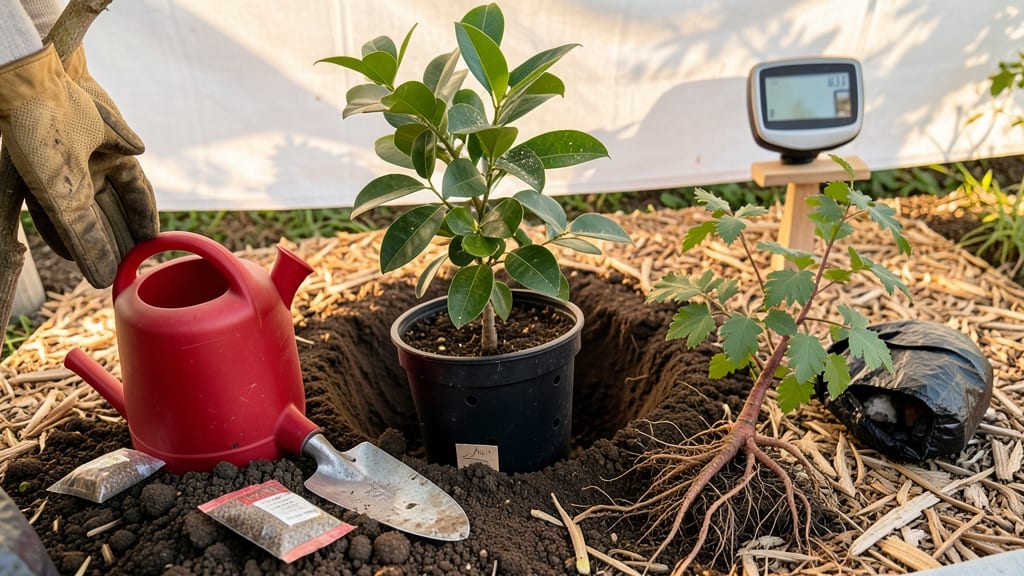
Timing is everything when it comes to planting fruit trees in Arizona, and getting it wrong can mean the difference between a thriving orchard and a sad, wilted sapling.
With 9b’s intense winter sun and summer heat, knowing the best months to plant—like November through March—is your secret weapon for success.
You might think Arizona’s mild winters mean you can plant anytime, but extreme summer heat and monsoon rains actually make late fall and early spring the ideal windows.
Citrus trees, for example, need cooler soil to establish roots, while stone fruits like peaches and apricots benefit from winter dormancy before bursting into growth.
What I’ve learned from years of working with Arizona’s unique climate is that preparing your soil and choosing the right variety for your microclimate is just as critical as the planting date.
Whether you’re in Phoenix, Tucson, or Flagstaff, the right timing paired with proper care sets your fruit trees up for years of abundant harvests.
In this guide, I’ll break down the exact months to plant each type of fruit tree—from citrus to figs—and share pro tips to help your new trees take root and thrive. Let’s get started!
Arizona fruit tree planting calendar: best months by variety for optimal growth
Arizona’s 300+ frost-free days create a unique window for fruit tree planting, but timing varies dramatically by variety. Citrus trees thrive when planted in November through January, while stone fruits like peaches prefer January to March to avoid summer stress. Tropical varieties such as mangoes and lychees need late winter planting to establish roots before monsoon season.
Understanding these microclimate differences between Phoenix, Tucson, and Flagstaff ensures your trees grow strong and productive.
In Phoenix and Tucson (USDA Zone 9b-10a), bare-root trees should go in the ground by late February to capitalize on cool winter temperatures and spring rains.
Meanwhile, higher elevations like Flagstaff (Zone 7b) benefit from planting in May to avoid late spring frosts. Container-grown trees offer flexibility, allowing planting year-round with proper watering adjustments—but winter remains ideal for most varieties.
Here’s your Arizona Fruit Tree Planting Guide by variety, including ideal months, soil prep tips, and microclimate notes to maximize success.
| Variety | Best Planting Months | Soil Prep | Microclimate Notes |
|---|---|---|---|
| Citrus (Oranges, Lemons, Limes) | November–January | Well-draining, slightly acidic (pH 6.0–7.0) | Avoid low deserts in summer; use shade cloth if temps exceed 105°F. |
| Stone Fruits (Peaches, Plums, Cherries) | January–March | Loamy, fertile (pH 6.0–7.0) | Plant in cooler high desert areas (e.g., Flagstaff) for better fruit set. |
| Figs (Common, Desert King) | February–April | Well-draining, rocky soil (pH 6.0–8.0) | Thrives in arid conditions; mulch heavily to retain moisture. |
| Pomegranates | November–December | Sandy-loam, well-draining (pH 5.5–7.0) | Drought-tolerant once established; avoid waterlogging. |
| Tropicals (Mangoes, Lychees, Papayas) | Late February–March | Rich, organic (pH 6.0–7.0) | Requires sheltered microclimates (e.g., near buildings or fences). |
For citrus trees, November through January is critical because cooler temperatures reduce transplant shock and allow roots to establish before summer heat.
I’ve seen lemon trees planted in February thrive in Tucson’s high desert, but the same tree wilts if planted in June due to 110°F+ soil temperatures. Always water deeply after planting—15–20 gallons for young trees—to encourage root growth.
Stone fruits like peaches need January to March planting to align with their dormancy period. These trees bloom early, and planting too late risks late frost damage to flowers. In Flagstaff’s cooler climate, I’ve successfully planted apricots in May, but Phoenix growers should stick to winter planting to avoid heat stress.
If you’re planting figs or pomegranates, February to April works well because these drought-tolerant varieties benefit from spring rains.
Figs, in particular, love Arizona’s rocky soil—just ensure the root flare is 2–3 inches above soil level to prevent rot. Mulch heavily (3–4 inches of wood chips) to retain moisture and regulate soil temperature.
For tropical varieties, timing is even more delicate. Mangoes and lychees must be planted in late February or March to establish roots before monsoon season. These trees need sheltered spots—think south-facing walls or under shade cloth—to protect them from intense afternoon sun.
I’ve seen lychee trees planted in summer survive, but they struggle to bear fruit without proper winter chill.
Pro tip: Use drip irrigation for the first 6 months
Critical factors that determine the perfect planting window in Arizona
Arizona’s diverse microclimates mean that what works in Phoenix may fail in Flagstaff. The perfect planting window depends on three key factors: soil temperature, frost risk, and monsoon timing.
Unlike cooler climates, Arizona’s winter chill hours (below 45°F) are minimal, so choosing the right time ensures your tree establishes roots before summer’s brutal heat.
First, soil temperature is non-negotiable. Most fruit trees thrive when soil temps are between 50°F and 70°F. In Arizona, this typically aligns with November through March, when daytime highs are mild and nighttime lows stay above freezing.
Use a soil thermometer to confirm—planting when soil is too warm stresses roots and slows growth.
Next, frost risk varies wildly across the state. While Phoenix rarely sees frost, Flagstaff’s high elevations can drop to 20°F in winter. For tropical varieties like citrus or mangoes, even light frost can be fatal, so timing matters.
Plant these in January or February to avoid late-winter cold snaps. Stone fruits, however, need chill hours to bloom properly—aim for December to early January in cooler zones.
Finally, monsoon season (July-September) brings heavy rains that can drown shallow roots or erode soil. Planting in late summer (August-September) is risky unless you’re using container-grown trees with established root systems. The ideal window is before monsoons begin, ensuring your tree has time to establish before Arizona’s 110°F+ summers arrive.
🌡️ Key Factors for Perfect Planting Timing
- Soil Temperature: 50°F–70°F (Nov–Mar) for root growth. Use a thermometer to check before planting.
- Frost Risk: Avoid planting citrus or tropicals after January 15 in frost-prone areas (e.g., Flagstaff).
- Monsoon Timing: Plant before July to avoid waterlogged soil and root rot during heavy rains.
- Chill Hours: Stone fruits (peaches, plums) need 200–500 hours below 45°F—plant in Dec–Jan for optimal dormancy.
- Summer Heat: Bare-root trees planted in April or later may struggle with 100°F+ soil temps.
To fine-tune your planting schedule, check the AZ Meteorological Network for your local frost dates and the USDA Plant Hardiness Zone Map (Arizona is mostly Zone 7b–10a). For example, Phoenix (Zone 10a) can plant citrus year-round, but Tucson (Zone 8b) should wait until January to avoid late-winter frosts.
Pro tip: Container-grown trees offer flexibility—they can be planted in April if you’re prepared for daily deep watering during establishment.
Don’t overlook root flare depth either. Arizona’s alkaline soil can compact easily, so plant with the root flare (where roots meet trunk) slightly above soil level. This prevents girdling roots and ensures proper airflow.
Pair this with mulching (3–4 inches of wood chips) to retain moisture and regulate soil temp. With these factors in mind, you’ll avoid the #1 mistake of Arizona gardeners: planting at the wrong time and watching their trees struggle.