
Plants
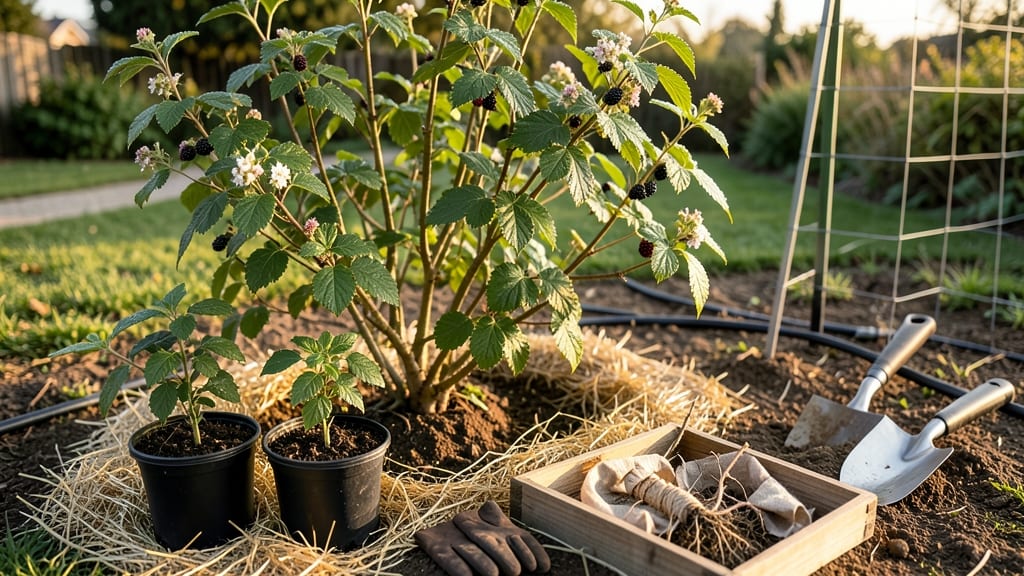
Timing your blackberry planting in Florida right could mean the difference between a thriving 🫐 patch and struggling vines that never quite take off.
Florida's unique climate zones—from frost-prone North Florida to frost-free South Florida—create a tricky balance for these berries, which need just the right conditions to establish strong roots before summer heat sets in.
Most gardeners in Florida's 8a-11 zones get it wrong by planting too late in spring or too early in summer, when young plants can't handle the intense heat.
The best window is actually late winter to early spring (January-March) or fall (September-October), when soil temperatures are cooler and moisture levels are ideal for root growth.
But here's the kicker: even within Florida, your exact timing depends on whether you're in North Florida (where late frosts can still sneak in) or South Florida (where summer heat arrives earlier).
I'll walk you through the precise months that work for each region, plus how to prepare your soil so your blackberries get off to a flying start.
Ready to plant with confidence? Let's break down the exact calendar you should follow—and the simple prep steps that'll give your blackberries the fighting chance they deserve in Florida's challenging climate.
Best planting months for blackberries in Florida by climate zone
Florida’s diverse climate zones—from North Florida’s cooler winters to South Florida’s year-round warmth—mean blackberry planting timing varies dramatically. In North Florida (Zones 8a-9a), the ideal window is late winter to early spring (February-March), when soil temperatures hover around 60-65°F.
This gives young canes time to establish roots before summer’s brutal heat. Meanwhile, Central Florida (Zone 9a-9b) gardeners should plant in January-February, while South Florida (Zones 10a-11) benefits from fall planting (September-October) to avoid summer stress.
Blackberries thrive when planted during cooler months, but Florida’s heat tolerance varies by variety. Southern highbush types (like 'Arapaho' or 'Onetta') handle South Florida’s heat better than northern varieties (like 'Chester' or 'Triple Crown').
Always check your specific variety’s heat tolerance before selecting a planting window. For example, everbearing varieties need precise timing to produce two crops per year, while fall-bearing types are more forgiving.
Soil temperature is critical—plant when soil is above 60°F but before consistent 90°F+ days. In North Florida, this means avoiding April plantings, as summer’s intensity can stress young roots. Use a soil thermometer to monitor conditions, especially in sandy soils that heat up faster.
Pro tip: Mulch heavily (4-6 inches) with straw or wood chips to regulate soil temperature and retain moisture during Florida’s dry spells.
Florida’s frost risk also plays a role. In North Florida, a late frost (after March 15) can damage new growth, so aim for February plantings to ensure canes are established.
South Florida’s frost-free growing season allows for fall plantings, which helps avoid summer pests like spider mites and root rot from excessive humidity. Always research your local frost dates—North Florida’s last frost is typically January 15, while South Florida rarely sees frost.
🌱 Florida Blackberry Planting Timeline by Zone
| Zone | Ideal Planting Months | Soil Temp Requirement | Key Considerations |
|---|---|---|---|
| North Florida (8a-9a) | February-March | 60-65°F | Avoid late frost; mulch heavily |
| Central Florida (9a-9b) | January-February | 60°F+ | Choose heat-tolerant varieties |
| South Florida (10a-11) | September-October | 70-75°F | Avoid summer heat; monitor humidity |
💡 Pro Tip: Bare-root canes establish faster than potted plants in Florida’s heat.
If you miss the ideal window, fall planting (August-September) is your next best option, especially in South and Central Florida. However, avoid planting in June-July, when intense heat and humidity stress young plants.
In North Florida, spring plantings after March 15 risk summer dieback unless you provide shade cloth (30-50%) during the first month. Always acclimate plants gradually to full sun to prevent sunburn on new canes.
Blackberries are perennial plants, but Florida’s climate demands annual pruning and renewal. After planting, prune canes to 18-24 inches tall to encourage bushier growth. In North Florida, winter dieback is common, so plant 12-18 inches deep to protect roots from freezing.
In South Florida, thatch buildup is a bigger issue—mulch with straw and remove old canes annually to prevent disease.
For everbearing varieties, timing is even more critical. Plant in late winter (February) in North Florida to ensure spring and fall crops. In South Florida, fall plantings (September) align with natural growth cycles.
Always space canes 4-6 feet apart in rows 6-8 feet apart to allow airflow and reduce humidity-related diseases like anthracnose. Trellising is a must—use T-posts with wire or a kniffin wire system to support vines and improve fruit quality.
Lastly, container growing is a great option for urban Florida gardeners. Plant in 5-gallon pots with well-draining soil and move containers to partial shade during peak summer heat (June-August). Use self-watering pots to maintain consistent moisture, as Florida’s sandy soils dry out quickly.
Container-grown blackberries can produce fruit 1-2 years earlier than in-ground plants, making them ideal for small spaces or balconies.
Remember, Florida’s microclimates can vary even within cities. Check your local weather patterns—some inland areas (like Lakeland or Ocala) have cooler nights than coastal regions
Best planting months for blackberries in Florida by climate zone
Florida’s three distinct climate zones—North, Central, and South—each demand different timing for planting blackberries. In North Florida (USDA Zones 8a-9a), where late frosts can linger until mid-January, aim to plant bare-root canes between January 15 and March 15.
This window ensures roots establish before summer’s brutal heat arrives. For Central Florida (Zones 9a-9b), stretch your planting to late February through April, avoiding the hottest summer months when young plants wilt.
Meanwhile, South Florida (Zones 10a-11) gardeners have a longer window—September through November—to plant blackberries. The key here is avoiding summer’s intense heat, which can stress plants before they’re established. Even in frost-free South Florida, September planting gives roots time to settle before the next growing season.
Always check your local frost dates (North Florida’s last frost averages January 15, while South Florida rarely sees frost).
| Zone | Ideal Planting Window | Soil Temp Requirement | Key Consideration |
|---|---|---|---|
| North Florida (8a-9a) | Jan 15 - Mar 15 | 50-60°F | Avoid late frosts |
| Central Florida (9a-9b) | Feb 28 - Apr 15 | 55-65°F | Escape summer heat |
| South Florida (10a-11) | Sep 1 - Nov 15 | 60-70°F | No frost risk |
If you miss the ideal window, fall planting (August-September) is your next best bet, especially in Central and South Florida. Young plants need 6-8 weeks to establish roots before summer’s return, so don’t wait until June or July—those plants will struggle under Florida’s 90°F+ temperatures.
For container growing, you can push boundaries slightly, but even then, avoid planting after May in North Florida or after June in Central Florida.
Pro tip: Use a soil thermometer to confirm soil temps are 50°F or higher before planting. Cold soil slows root growth, leaving your blackberries vulnerable to heat stress and disease.
In North Florida, wait until after the last frost (typically mid-January), while South Florida gardeners can plant through November without frost worries.
For Florida’s unique microclimates, like coastal areas or inland valleys, adjust by 1-2 weeks. Coastal regions stay cooler longer, while inland zones heat up faster. Always monitor your local weather patterns—a sudden cold snap in March can still damage young plants, even in South Florida.
Timing isn’t just about months—it’s about soil conditions. Well-draining, slightly acidic soil (pH 5.5-6.5) and consistent moisture are critical. I’ll cover soil prep in the next section, but remember: planting at the right time sets the stage for a bountiful harvest.
With these zone-specific windows, your blackberries will thrive year after year.