
Plants
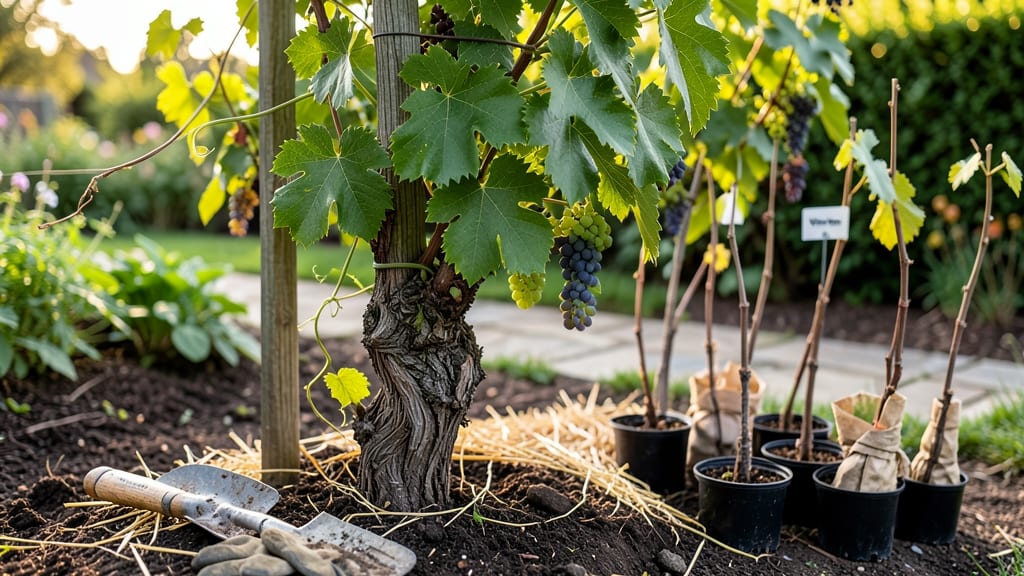
Timing your grape vine 🍇 planting in Georgia can make or break your harvest—get it wrong, and your vines might wilt before they even take root. The state’s unique 7a-8b zones create a narrow window where cool evenings and warming soil align perfectly for strong root growth.
Most gardeners swear by late winter to early spring (February–March) as the sweet spot, but fall planting (September–October) also works if you’re in a milder microclimate.
The key is avoiding Georgia’s unpredictable frost dates—plant too early, and your vines could face heat stress; too late, and they won’t establish before winter’s chill sets in.
I’ll break down the exact heat-zone timeline for your region, including soil prep tips and when to stake those towering vines. Whether you’re growing muscadines for jams or vinifera for wine, this guide ensures your grapes get off to the best possible start.
Ready to turn your backyard into a thriving vineyard? Let’s dive into the seasonal secrets that’ll have your grapevines flourishing in no time.
Georgia’s heat zones: best planting months for grape vines by region
Georgia’s diverse climate—spanning USDA Zones 7b to 8a—creates distinct windows for planting grape vines. In North Georgia (Zone 7b), where frosts linger until mid-April, aim for late February to early March planting.
Meanwhile, South Georgia (Zone 8a) gardeners can start as early as January or extend planting into early April without frost risk. The key is aligning planting with soil temperatures above 50°F and avoiding late winter freezes.
For muscadine grapes, Georgia’s native variety, February to March is ideal—they tolerate cooler soils better than vinifera or hybrid varieties. Vinifera grapes, like Cabernet Sauvignon or Chardonnay, thrive when planted in late March to early April to escape early-season heat stress.
Hybrid varieties (e.g., Norton) offer flexibility, adapting to January to April planting if soil conditions are right.
Fall planting (September–October) is a smart alternative for container-grown vines, allowing roots to establish before winter. However, avoid planting after October 15th in North Georgia, as roots need 6–8 weeks to harden before frost. South Georgia’s longer growing season extends fall planting to mid-November, but prioritize well-draining soil to prevent waterlogged roots.
Georgia Grape Vine Planting by Heat Zone
| Zone | Best Planting Window | Soil Temp Threshold | Key Consideration |
|---|---|---|---|
| 7b (North GA) | Late Feb–Early Mar | 50°F+ | Avoid frost risk; muscadines preferred |
| 8a (South GA) | Jan–Early Apr | 55°F+ | Extend to Nov for fall planting |
| Microclimates | Adjust ±2 weeks | N/A | Hillsides plant earlier; valleys later |
🌱 Pro Tip: Test soil temp with a soil thermometer—plant when it consistently reads above 50°F.
Microclimates play a huge role in Georgia. Mountainous regions (e.g., Blue Ridge) may need to delay planting until April due to late frosts, while coastal areas (e.g., Savannah) can start as early as January.
Pay attention to local frost dates: North Georgia’s last frost averages March 15th, while South Georgia sees its first frost around November 15th. Use frost-free days (210+ in GA) to your advantage—longer growing seasons favor fall planting for faster root establishment.
If you’re planting bare-root vines, prioritize late winter (Feb–Mar) to give roots time to establish before summer heat. Container-grown vines, however, handle fall planting (Sept–Oct) better, as their established root balls adapt faster.
For both, avoid planting during extreme heat (>90°F), which stresses young vines. Instead, opt for overcast days or early morning planting to reduce transplant shock.
Georgia’s humidity also demands well-aerated soil. Amend clay soils with compost or sand to prevent root rot, especially in Zone 8a, where summer rains can saturate the ground.
A slightly acidic pH (5.5–6.5) is ideal—test your soil before planting and adjust with lime (to raise pH) or sulfur (to lower pH) as needed. Mulch heavily after planting to retain moisture and regulate soil temperature.
For trellis systems, install supports before planting—grape vines need 10–15 feet of vertical space to thrive. In North Georgia, choose semi-dwarf varieties (e.g., Scuppernong) to manage height, while South Georgia’s warmer climate suits standard-sized vinifera grapes.
Space vines 6–10 feet apart in rows 8–10 feet apart to allow airflow and sunlight penetration, critical for disease prevention.
One common mistake is planting too deep, which can suffocate roots. The crown (where stems meet roots) should sit 1–2 inches above soil level. Another pitfall is ignoring variety hardiness: Muscadines handle GA’s heat better than vinifera grapes, which may need shade cloth in summer.
Always check the USDA zone rating of your chosen variety before planting—some Zone 8a grapes (e.g., Crimson Seedless) may struggle in Zone 7b’s cooler winters.
Finally, water deeply after planting to encourage root growth, then taper to weekly watering once established. In Zone 7b, focus on spring and fall watering; in Zone 8a, supplement summer rainfall with drip irrigation to prevent stress
Step-by-step grape vine planting schedule for Georgia’s climate
Now that you’ve picked the perfect window, let’s walk through my month-by-month planting schedule for Georgia’s unique climate. The key is balancing soil warmth, frost risk, and your vine’s growth stages—especially in our humid summers where Pierce’s disease lurks.
I’ll break it down by region, so whether you’re in North Georgia’s cooler hills or South Georgia’s heat islands, you’ll know exactly when to act.
Start with soil prep in January—this is non-negotiable. Test your soil’s pH (aim for 5.5–6.5) and amend with compost or aged manure. In Zone 7b, I like to add a 3-inch layer of mulch to protect roots from temperature swings.
For Zone 8a, focus on improving drainage since summer heat can bake the soil.