
Plants
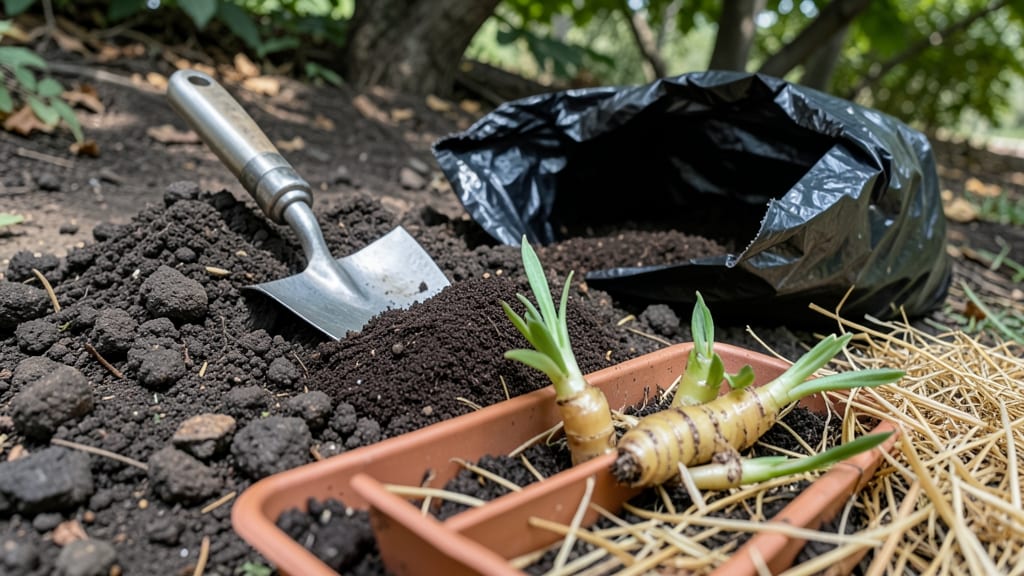
Timing your ginger planting in North Carolina isn’t just about picking a month—it’s about outsmarting frost and giving your rhizomes the perfect 65°F+ soil kickstart.
Plant too early in the 6b-8a zones, and a late frost could wipe out your crop; too late, and you’ll miss the sweet spot for a bountiful harvest by fall.
Most gardeners assume ginger needs tropical heat to thrive, but North Carolina’s humid subtropical climate actually makes it a stellar candidate—when you follow the rules. The secret? Planting in early spring (March-April) or late fall (September-October) aligns with soil warming trends, not just calendar dates.
Whether you’re in the Piedmont’s rolling hills or the Coastal Plain’s flatter terrain, these windows maximize your 180-240 frost-free days.
I’ll break down the exact soil temperature thresholds you need to watch, plus how to adjust for your microclimate—because a 5°F difference between Raleigh and Asheville can mean the difference between success and failure. Ready to turn your garden into a ginger powerhouse? Let’s get started.
You’ll also discover how to prep your soil like a pro, avoid the top 5 NC-specific mistakes (yes, even experienced gardeners fall for these), and extend your growing season with simple tricks. No more guessing—just science-backed steps to harvest plump rhizomes by October-November.
North Carolina’s ginger planting zones: soil temperature rules for zero-frost success
North Carolina spans USDA zones 6b–8a, creating dramatic differences in frost risk and growing seasons. In the Mountain region (zone 6b), frost can linger until April 15, while the Coastal Plain (zone 8a) often sees frost-free soil by March 1.
The key to successful ginger planting? Soil temperature—rhizomes need 65°F+ to sprout, and NC’s clay-heavy soils warm slowly.
Ginger’s tropical origins might make you think it’s a summer-only crop, but fall planting (September–October) works beautifully in NC’s warmer zones. The Piedmont region (zone 7a) offers a 180-day frost-free window, perfect for two harvests if you plant both spring and fall.
Coastal areas even push that to 240 frost-free days, extending your growing window.
Here’s the science: Ginger rhizomes won’t sprout below 60°F, but they’ll rot below 50°F. Use a soil thermometer to confirm readiness—wait until morning soil temps hit 65°F consistently for 3–5 days before planting. In Western NC’s cooler zones, this often means waiting until mid-April.
🌱
| NC Region | USDA Zone | Last Frost Date | Ideal Planting Window | Soil Temp Threshold |
|---|---|---|---|---|
| Mountains (Asheville) | 6b | April 15 | May 1–June 15 | 65°F+ (wait until late May) |
| Piedmont (Raleigh) | 7a | March 25 | March 15–April 30 OR Sept 1–Oct 15 | 60°F+ (March) / 65°F+ (Sept) |
| Coastal Plain (Wilmington) | 8a | February 15 | February 15–March 31 OR Aug 15–Sept 30 | 55°F+ (Feb) / 60°F+ (Aug) |
🌡️ Pro Tip: Use black plastic mulch to warm soil 5–10°F faster in cooler zones.
In Zone 6b (Mountains), where frost lingers, focus on late spring planting (May–June) to avoid early cold snaps. The Piedmont’s longer growing season lets you try both spring and fall plantings, but prioritize fall (September) for harvest before first frost (November 15).
Coastal gardeners can even plant as early as February thanks to milder winters.
Don’t let NC’s clay-heavy soils fool you—ginger thrives in well-draining, organic-rich soil with a pH of 6.0–7.5. Amend heavy clay with compost or sand to prevent waterlogging, which causes rhizome rot. A raised bed in cooler zones can add 2–3 weeks to your growing season by warming soil faster.
For container growing, use pots with drainage holes and place them in south-facing locations to maximize warmth. Move containers indoors before first frost in zones 6b–7a. In Zone 8a, ginger can often overwinter outdoors with mulch protection, but harvest rhizomes before November 30 to avoid flavor loss.
🌿
Remember: Soil temperature > air temperature when determining planting readiness. A 65°F soil in April might feel cool to touch, but it’s perfect for ginger. Use a soil thermometer for 3 consecutive days to confirm before planting.
In Western NC, this often means waiting until late May—patience pays off with larger rhizomes.
💧
Step-by-step ginger planting calendar: when to start rhizomes in NC’s climate
North Carolina’s frost-free window of 180-240 days gives you two prime chances to plant ginger: early spring (March-April) and late fall (September-October). These windows align with soil temperatures hitting the 65°F+ threshold ginger needs to sprout.
I’ll walk you through the exact steps for each season, including how to prep your soil and extend the growing season in cooler zones.
For spring planting, aim for March 15-April 30—right after your region’s last frost date. In the Piedmont, this might be early March, while Coastal NC can wait until late April.
Use a soil thermometer to confirm 65°F+ readings at 4-inch depth before planting. This ensures your rhizomes wake up and start growing instead of sitting dormant.
📅 Spring Planting Timeline (March-April)
- Step 1: Pre-sprout rhizomes (2-3 weeks before planting). Place whole rhizomes in a warm, humid spot (like a seed tray with damp paper towels) to encourage shoots. This jumpstarts growth once soil warms.
- Step 2: Test soil pH (aim for 6.0-7.5). NC’s clay-heavy soils often need compost or aged manure to loosen texture and improve drainage. Ginger hates soggy roots!
- Step 3: Plant 2 inches deep, spacing rhizomes 6-8 inches apart in rows 12 inches apart. Break larger rhizomes into 1-inch chunks with 3+ buds each.
- Step 4: Mulch heavily with straw or shredded leaves to retain moisture and regulate soil temperature. This is critical in NC’s hot summers to prevent rhizomes from drying out.
- Step 5: Water deeply in the morning (1 inch per week) and avoid wetting leaves to prevent fungal diseases like rhizoctonia, common in NC’s humidity.
For fall planting, your goal is to get rhizomes in the ground by September 15-October 15, allowing 8-10 weeks of growth before first frost. This works best in USDA zones 7b-8a (Coastal Plain and Piedmont).
In Western NC (zone 6b), opt for greenhouse or row cover protection to extend the season. Fall-planted ginger often produces larger rhizomes because it grows undisturbed through winter.
One trick I use in cooler zones (e.g., Asheville) is to plant ginger in black plastic mulch. This raises soil temperatures by 5-10°F, helping rhizomes activate earlier in spring or stay warm longer in fall.
Pair this with a lightweight row cover for extra frost protection if needed. In Coastal NC, where frost is rare, you can even plant as late as November 1 for a winter harvest.
Regardless of season, harvest ginger before first frost (typically October-November in NC). Look for yellowing leaves and plump rhizomes as signs of readiness. If frost hits, dig up rhizomes and force indoors in a pot with bright light—they’ll keep growing!
This is how I’ve successfully harvested ginger in December during mild NC winters.
Pro tip: Mark your planting dates on a garden calendar and set reminders for soil checks. NC’s microclimates can vary wildly—what works in Raleigh might fail in Charlotte just 50 miles away. Stay flexible, and your ginger will reward you with bold, aromatic rhizomes year after year. 🌱