
Plants
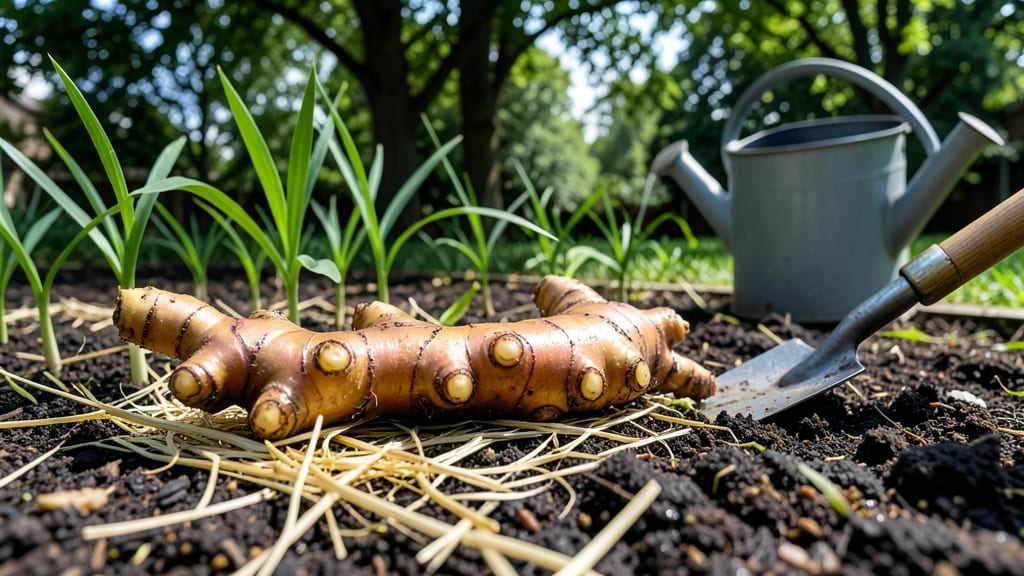
If you're growing ginger in Zone 9, timing your planting could mean the difference between a thriving harvest and wasted effort. Unlike cooler climates, Zone 9 gardeners have a narrow window to plant ginger rhizomes for fast root development—typically between late winter and early spring.
This tropical plant 🌿 loves warmth, so waiting until soil temperatures hit 70°F+ is key. Plant too early, and your ginger may struggle; too late, and you risk missing the ideal growing season. The secret lies in understanding your microclimate—whether you're in Southern California, Arizona, or Florida—to fine-tune your schedule.
I’ll walk you through the exact steps to prepare your rhizomes, test soil readiness, and avoid common mistakes that slow growth. By the time fall rolls around, you’ll be harvesting plump, flavorful ginger—no guesswork involved.
Ready to skip the trial-and-error? Let’s dive into the optimal planting times and pro tips that make all the difference in Zone 9’s heat.
Ideal planting times for ginger in Zone 9 based on soil temperature
In Zone 9, ginger thrives year-round, but the best planting window aligns with soil temperatures above 70°F for optimal root development. Unlike cooler zones, you won’t worry about frost, but timing still matters to avoid heat stress during germination.
For fastest growth, plant ginger rhizomes in late winter to early spring (January–March). This gives roots time to establish before summer’s peak heat. Coastal areas may extend this window slightly due to cooler microclimates, while inland regions should prioritize early planting.
Soil temperature is your key indicator. Use a soil thermometer to confirm 70°F+ at 4-inch depth before planting. In Zone 9, this typically occurs by mid-February in most regions, but test your specific location for accuracy.
Here’s how to adjust for your Zone 9 microclimate:
Ginger Planting Timeline for Zone 9
| Timeframe | Soil Temp Requirement | Best For | Notes |
|---|---|---|---|
| January–February | 65–70°F | Coastal/early start | Ideal for cooler microclimates |
| March–April | 70–75°F | Inland/optimal | Best for most of Zone 9 |
| May (late) | 75°F+ | Emergency/fall harvest | Risk of heat stress; use shade cloth |
🌡️ Pro Tip: Monitor soil temps weekly—ginger roots grow 3x faster in ideal conditions.
If you miss the spring window, fall planting (September–October) is possible but riskier. Ginger planted in late summer may struggle with high heat and require extra shade and mulch to retain moisture. For a second harvest, try fall planting in cooler inland areas.
Always choose a well-draining spot with partial shade (4–6 hours of morning sun). Ginger hates soggy roots, so amend heavy soils with compost to improve drainage. Mulch heavily with straw to keep soil temps stable and moisture consistent.
For container growing, plant rhizomes in March–April when daytime temps are 75°F+. Use large pots (12"+ diameter) with drainage holes and move containers to shaded areas during peak afternoon heat to prevent wilting.
Remember: Zone 9’s long growing season means you can experiment with year-round planting, but sticking to the spring window guarantees the most reliable harvests with minimal stress on your plants.
🌱
Ideal planting times for ginger in Zone 9 based on soil temperature
In Zone 9, ginger thrives year-round but grows best when planted during late winter to early spring, specifically February through April. This timing aligns with the soil warming naturally, creating ideal conditions for rhizome sprouting and root development.
Unlike cooler zones, Zone 9 rarely faces frost, so timing focuses more on soil temperature than frost dates.
Ginger rhizomes need soil temperatures of at least 70°F (21°C) to sprout successfully. In Zone 9, this typically occurs in early March in inland areas, but coastal regions may reach this threshold in February due to milder microclimates. Always test your soil temperature before planting to ensure optimal growth.
| Planting Window | Soil Temp Requirement | Zone 9 Timing | Microclimate Adjustments |
|---|---|---|---|
| Late Winter | ≥ 65°F (18°C) | February (coastal) - March (inland) | Coastal areas: 2-3 weeks earlier |
| Early Spring | ≥ 70°F (21°C) | March - April | Inland areas: Wait for soil to warm |
| Fall (Optional) | ≥ 60°F (15°C) | September - October | Harvest rhizomes first; replant if needed |
For coastal Zone 9 gardens (e.g., Southern California, coastal Texas), plant ginger in February when soil temperatures consistently stay above 65°F (18°C). In contrast, inland areas (e.g., Arizona, Phoenix) should wait until early March when soil reaches 70°F (21°C) for faster sprouting.
Use a soil thermometer to check depth at 4-6 inches, where ginger rhizomes will root. If soil is cooler than 65°F (18°C), delay planting by 1-2 weeks or use black plastic mulch to warm the soil faster. This simple step prevents slow growth or failed sprouting.
While fall planting is possible in Zone 9, it’s riskier due to shorter daylight and cooler soil. If you attempt fall planting, aim for September and expect a smaller harvest. Focus instead on spring planting for the best yield and fastest root development.
Ginger planted at the right time in Zone 9 will show sprouts within 2-4 weeks and reach harvestable size in 8-10 months. Prioritize soil warmth over calendar dates—your ginger’s success depends on it!