
Plants
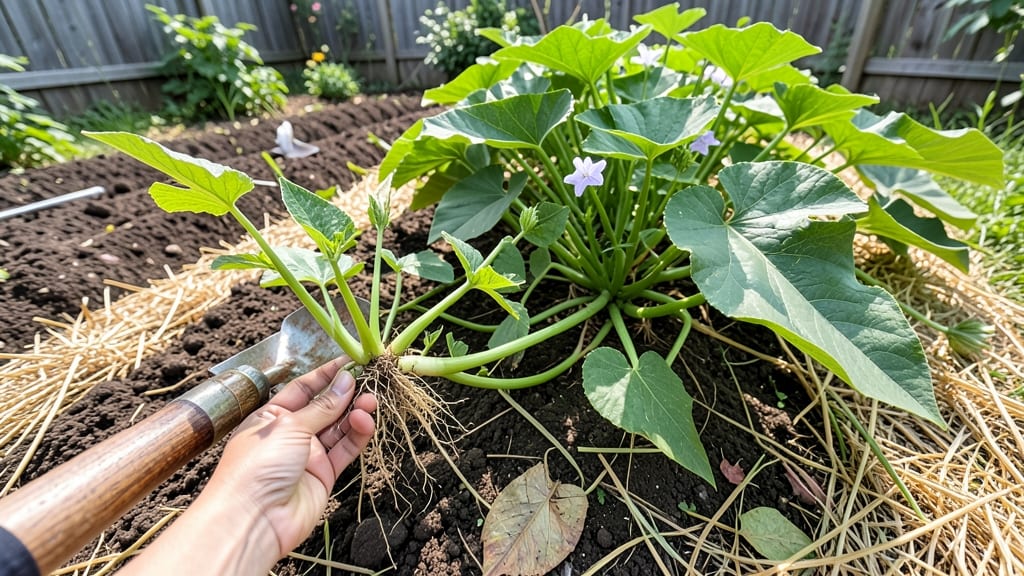
If you're dreaming of a bountiful sweet potato harvest in North Carolina, you’re probably wondering: when do you plant sweet potatoes in North Carolina? Timing is everything—and getting it wrong could mean scrapping your entire crop.
The key isn't just avoiding frost; it's about waiting for soil warmth, humidity, and the perfect balance of daylight that turns slips into sweet, edible tubers.
Most gardeners in zones 7a-8b know the general rule: plant after the last frost, but that's not the whole story. Cold soil slows growth, and planting too late cuts your harvest window short.
I'll break down the exact mid-April to early June window that works for NC's climate, plus how to adjust for your specific region—whether you're in the Coastal Plain, Piedmont, or Mountains.
Here's the game-changer: you're not just planting slips at random—you're working with a 120-day growth cycle that demands precise timing. Miss the mark, and you might end up with bitter tubers or no harvest at all.
Let me show you how to calculate your perfect planting date based on your local frost patterns and soil temperature.
Ready to avoid the most common mistakes? From choosing the right variety for your short season to extending your growing window with simple tricks, I've got the insider tips that will make your sweet potato patch thrive—no guesswork required.
North Carolina sweet potato planting calendar: frost-free dates & soil temperature guide
Sweet potatoes in North Carolina need warm soil and frost-free conditions to thrive. Unlike cool-season crops, they won’t tolerate temperatures below 50°F. The ideal planting window is mid-April to early June, but timing varies by region—Coastal areas can start earlier, while Mountain regions must wait until late May.
North Carolina’s USDA zones 7a-8b mean gardeners in the Piedmont and Coastal Plain can plant 2-3 weeks earlier than those in the Mountains. Always check your last frost date (typically mid-April in most areas) and add 2-4 weeks to ensure soil warmth.
Soil temperature is critical—slips (young plants) won’t grow until the ground reaches 60-65°F. Use a soil thermometer to confirm readiness. Planting too early in cold soil causes rot and poor root development, while late planting may result in smaller tubers before frost.
| Region | Last Frost Date | Ideal Planting Window | Soil Temp Requirement |
|---|---|---|---|
| Coastal Plain | Early April | Late March–Early May | 60–65°F |
| Piedmont | Mid-April | Early April–Early June | 60–65°F |
| Mountains | Late April | Late May–Early June | 65–70°F |
For Coastal NC, aim to plant slips by late March if you’re using black plastic mulch to warm the soil faster. In the Piedmont, mid-April is ideal, while Mountain gardeners should wait until late May to avoid chilly nights that stunt growth.
If you’re growing from seed (not slips), start indoors 8-10 weeks before your last frost date. Seeds need 75-85°F soil to germinate, so use a heat mat or greenhouse for early starts. Transplant seedlings only after soil warms to 60°F.
Harvest timing depends on your planting date. Sweet potatoes need 90-120 days to mature, so April plantings should be ready by late July, while June plantings will harvest in October-November. Watch for yellowing vines and toughened skin as signs of readiness.
Missed the ideal window? Don’t worry—July plantings can still produce a crop if given extra care, like row covers for warmth. Just expect smaller yields if frost arrives early. Always prioritize soil warmth over calendar dates for the best results.
Pro tip: Use a moon planting guide for optimal growth. Planting during the waxing moon (when roots are growing) can boost tuber development. Just remember—soil temp always trumps lunar phases!
How to extend your sweet potato growing season in North Carolina (even if you miss the ideal window)
Missed the mid-April to early June planting window? Don’t panic! North Carolina’s climate offers clever ways to grow sweet potatoes even outside the ideal timeframe. The secret lies in microclimates, mulching, and protective covers—tools that can shave off weeks from your growing season or stretch it longer.
If you’re in the Coastal Plain where springs warm faster, you might squeeze in a late planting by using black plastic mulch to heat the soil. In the Mountains, row covers can shield young slips from unexpected chills.
I’ve even grown slips in containers on patios, where urban heat islands create warmer pockets than the surrounding soil.
Here’s the key: adjust your variety choice too. Beauregard matures in 90-100 days, while Jewel takes 120-140 days. Planting Beauregard in late June could still yield tubers before frost, whereas Jewel would need a head start.
Season-Extending Strategies
Raises soil temp by 10-15°F; ideal for late plantings.
Protects from light frosts (down to 28°F).
Uses urban heat islands; harvest 2-3 weeks earlier.
Beauregard matures in 90 days—perfect for late starts.
Smaller tubers, bitter taste, or frost damage before harvest.
Black mulch can burn roots if temps exceed 95°F.
For late plantings, focus on soil prep first. Amend your beds with compost to improve drainage and warmth retention. In July or August, you can still plant slips if you’re aiming for a fall harvest, but prioritize disease-resistant varieties like Georgia Jet to combat NC’s summer humidity.
Pro tip: Use a soil thermometer to confirm your soil is 65°F+ before planting—even in late summer. If temps drop below 55°F, growth stalls, and your harvest window shrinks dramatically. Pair this with drip irrigation to keep roots consistently moist without wetting the foliage, which reduces fungal risks.
Remember, sweet potatoes are heat-loving but frost-intolerant. If you’re pushing the envelope, calculate your harvest date backward from the first frost (usually mid-November in NC). Subtract 120 days for a full-season variety, then add 2-3 weeks for soil warming—this gives you your last possible planting date.