
Plants
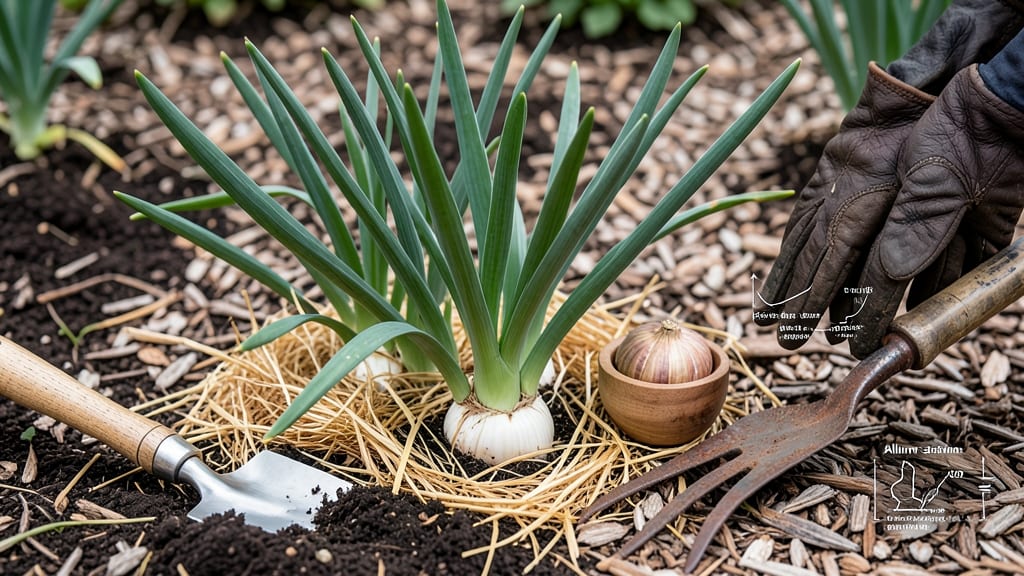
If you're wondering when to plant garlic in Zone 8b, timing is the secret weapon that separates a bumper crop from a disappointing harvest. 🧄 In this mild-winter region—think Southern California or Arizona's low deserts—fall planting gives garlic the perfect head start, but spring options exist too.
Most gardeners in Zone 8b swear by planting hardneck varieties in October or November, when soil temps dip but frost isn't imminent. Softneck types, though, can stretch the window until December.
The key? Avoid planting too early—your cloves need 6-8 weeks of cool weather to form bulbs before summer heat kicks in.
But here's the catch: Zone 8b's unpredictable microclimates mean your neighbor's "perfect" timing might not work for you. We'll break down how to read your local frost dates, soil conditions, and even moon phases to fine-tune your schedule for maximum bulb size.
Ready to go from clove to harvest? I'll walk you through exactly what to do—from soil prep to post-planting care—so you can enjoy homegrown garlic from June through July. Let's get those Zone 8b garlic beds ready!
Optimal planting windows for Zone 8b garlic: hardneck vs softneck breakdown
In Zone 8b, where winters are mild and summers scorching, timing your garlic planting correctly is non-negotiable. Unlike colder zones, you have flexibility with fall vs. spring planting, but each method demands precision.
Hardneck varieties—like 'German White'—need a 60-day cold period to form bulbs, while softneck types—such as 'Silverskin'—thrive with milder winters. Let’s break down the exact windows to maximize your harvest.
For hardneck garlic, aim to plant between mid-October and early November. This gives bulbs enough time to establish roots before soil temperatures drop below 50°F (10°C).
In Southern California, where frost is rare, you can push planting to late November, but avoid December entirely—soil may stay too warm, delaying dormancy. Spring planting is risky for hardnecks unless you’re in high-desert Zone 8b (e.g., Arizona lowlands).
Softneck garlic, however, offers a wider window: October through December. These varieties tolerate warmer winters and can even handle January planting in coastal areas like San Diego.
The key is ensuring 60–90 days of cool weather before summer heat arrives. Planting too late (after mid-December) risks bulbs maturing too quickly, resulting in smaller cloves.
| Variety Type | Best Planting Window | Soil Temp Threshold | Zone 8b Microclimate Notes |
|---|---|---|---|
| Hardneck | Mid-October–Early November | Below 50°F (10°C) | Risk of rot in wet winters; high-desert areas can extend to late November. |
| Softneck | October–December | Below 60°F (15°C) | Coastal areas tolerate January planting; inland zones avoid post-holiday delays. |
| Both Types | Avoid spring planting (March+) | N/A | Spring bulbs bolt in heat; yields shrink by 50%. |
Your local microclimate dictates fine-tuning. In Southern California’s coastal zones, where winters are damp but rarely freeze, prioritize October planting to avoid fungal diseases from prolonged moisture.
Conversely, in Texas Hill Country, where nights dip into the 30s°F (0–4°C), delay until November to prevent frost damage to young shoots. Always check your last frost date—even in Zone 8b, unexpected cold snaps occur.
Pro tip: Use a soil thermometer to confirm 50–60°F (10–15°C) soil temps before planting. In Zone 8b’s warm winters, this often means waiting until late October or even November.
Hardnecks planted too early may sprout prematurely, while softnecks risk poor bulb formation if soil stays too warm. Balance is key!
If you’re spring-planting (not recommended but possible in high-desert Zone 8b), do so by February. This gives hardnecks a 120-day growing season before summer heat, but yields will be 30–40% smaller than fall-planted bulbs.
Softnecks fare slightly better in spring but still struggle with bolting—when stems flower instead of bulbifying.
For year-round garlic lovers, stagger plantings: October (main crop), January (softnecks), and February (high-desert hardnecks). This ensures a continuous harvest from June to August. Just remember: fall planting always yields the largest, most flavorful bulbs in Zone 8b’s climate.
One common mistake? Assuming “Zone 8b means no frost”. While rare, light frosts (28–32°F / -2 to 0°C) can still damage garlic. Harden off cloves by curing them in shade for 2 weeks before planting, and use straw mulch (4–6 inches) to insulate roots.
This buffer is critical for hardneck varieties, which need cold exposure to form scapes and bulbs.
Finally, harvest timing hinges on planting windows. Fall-planted garlic is ready by June–July, while spring-planted bulbs mature in August–September. Watch for lower leaves turning brown—this signals bulbs are nearly ready. If you miss the window, over-mature garlic splits open, reducing storage life. Plan accordingly!
Optimal planting windows for Zone 8b garlic: hardneck vs softneck breakdown
In Zone 8b, where winters are mild but summers scorch, garlic thrives when planted during the cool shoulder seasons. For hardneck varieties, aim for mid-October to November—this gives them 6-8 weeks of cool weather to establish roots before summer heat arrives.
Softnecks, being more adaptable, can stretch until December, but don’t wait too long or bulbs may struggle to mature.
Your first frost date (typically around January 15 in Zone 8b) acts as your deadline. Planting too early risks frost damage to emerging shoots, while late planting may result in small, underdeveloped bulbs. The goal? 60-70°F soil temps at planting—ideal for root growth without encouraging premature sprouting.
🌱 Key Insight: Zone 8b’s microclimates vary wildly. Coastal areas like San Diego may plant a month later than inland deserts. Check your local USDA frost maps and adjust accordingly.
| Variety | Best Planting Window | Soil Temp Threshold | Frost Risk | Harvest Month |
|---|---|---|---|---|
| Hardneck (e.g., 'German White', 'Purple Stripe') | Mid-October to November | 60-70°F | Low (if planted before Dec 15) | June-July |
| Softneck (e.g., 'Silverskin', 'Artichoke') | October to December | 55-75°F | Moderate (late Dec plantings) | June-August |
Note: Adjust for early/late frosts—use row covers if needed.
Pro tip: Use a soil thermometer to confirm temps. If your garden runs hotter, plant earlier—even September can work for high-desert areas. For coastal gardeners, November is your sweet spot to avoid winter rains that can rot cloves.
Spring planting is possible in Zone 8b, but results are hit-or-miss. If you must plant in January-February, choose softneck varieties and expect smaller bulbs. The trade-off? You’ll have garlic for summer meals when stores run low.
Remember: Garlic needs 240-300 days to mature. Plant too late, and you’ll harvest puny bulbs—or worse, none at all. The 6-week rule before summer heat is your golden guideline. 🌡️