
Plants
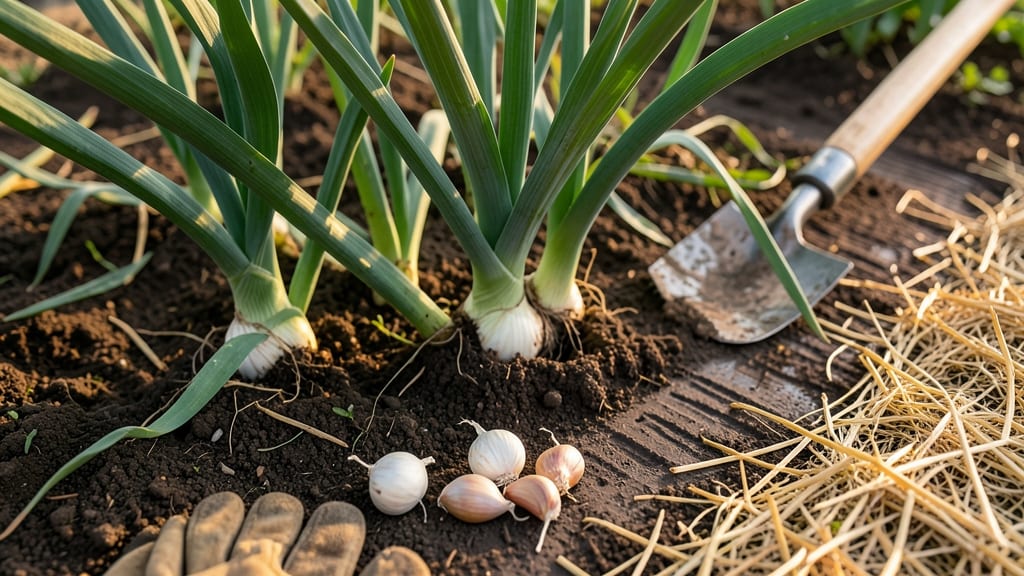
Timing is everything when it comes to growing garlic in Zone 6—plant too early or too late, and you risk bolting or weak bulbs.
The secret to a bumper harvest lies in that narrow fall window, where cooler temps signal your 🧄 to store energy underground instead of shooting up into flowers.
Most gardeners in 6a-6b zones wait until October or early November to plant, but the exact date depends on your first frost. Planting 4-6 weeks before hard freeze gives garlic enough time to root before winter dormancy kicks in—this is the game-changer for flavorful, bolt-free bulbs.
I’ve tested this method for years, and the results speak for themselves: plump cloves that store well and pack maximum punch in your cooking. Whether you’re a first-timer or a seasoned grower, nailing this timing will transform your garlic harvest from "meh" to "wow."
Let’s break down exactly how to calculate your perfect planting date, plus pro tips to avoid common mistakes that sabotage even the most eager gardeners. Your future meals will thank you!
The exact fall planting window in Zone 6 for zero-bolt garlic
Zone 6 gardeners know timing is everything when planting garlic. The ideal window falls between 6-8 weeks before your first hard freeze—typically mid-October to early November. This timing ensures garlic establishes roots before winter dormancy, preventing bolting (premature flowering) that ruins flavor and bulb size.
For most of Zone 6, this means planting between October 15th and November 1st. However, adjustments are needed for Northern Zone 6 (6a) (earlier) versus Southern Zone 6 (6b) (later). The key is soil temperatures dropping to 40-50°F—when garlic naturally slows growth to survive winter.
Here’s the science: Garlic needs 40-60 days of cold temperatures (below 40°F) to form bulbs properly. Plant too early, and warm fall soil triggers bolting. Plant too late, and roots won’t establish before freeze, stunting growth.
Pro tip: Use a soil thermometer to confirm 50°F soil temps—this is your green light to plant. If your area has early frosts (like Zone 6a), aim for early October. For Zone 6b, stretch planting until mid-November.
| Zone 6 Subtype | Ideal Planting Window | Soil Temp Goal | Key Adjustment |
|---|---|---|---|
| Zone 6a (Colder) | October 1–15 | 45–50°F | Plant earlier to avoid early freeze |
| Zone 6b (Warmer) | October 15–November 1 | 50–55°F | Stretch window for late harvests |
| Both Subtypes | Avoid after November 15 | Below 40°F | Roots won’t establish before freeze |
Missed the fall window? Don’t panic—spring planting (March–April) is a backup, but bulbs will be smaller and less flavorful. Spring garlic lacks the cold stratification that develops robust bulbs, but it’s better than nothing for fresh green garlic harvests.
For hardneck varieties (like ‘Music’ or ‘German White’), fall planting is non-negotiable—they require cold to form scapes and bulbs. Softneck varieties (like ‘Silverskin’) are more flexible but still thrive with fall planting for maximum bulb size.
One more secret: If your fall is unusually warm, mulch with 4–6 inches of straw after planting. This insulates soil, mimics cooler conditions, and tricks garlic into thinking winter is coming—preventing bolting even in 70°F+ soil.
Ready to plant? Grab your cloves, break them apart, and get them in the ground before the first frost. Your July harvest will thank you!
The exact fall planting window in Zone 6 for zero-bolt garlic
Timing is everything when planting garlic in Zone 6. The ideal window is 6-8 weeks before your first hard frost, which typically lands in mid-October to early November for most of Zone 6.
This timing ensures your cloves establish roots before winter dormancy, preventing bolting—when garlic flowers prematurely and produces small, pungent bulbs.
Zone 6 spans from 6a (avg. last frost: Nov. 15) to 6b (avg. last frost: Nov. 5). For 6a regions, aim to plant by October 15, while 6b gardeners can push planting until November 1.
Soil temperatures should be 40-50°F for optimal root growth before the ground freezes.
🌱 Did You Know?
For Northern Zone 6 (6a), where winters arrive earlier, prioritize early October planting using hardneck varieties like 'German White' or 'Music'. These varieties thrive in colder climates and produce larger bulbs with flavorful cloves.
In Southern Zone 6 (6b), you have more flexibility—planting through early November works well, especially with softneck varieties like 'Silverskin' for storage.
Miss the fall window? You can still plant garlic in late winter (February), but bulbs will be smaller and less flavorful. Spring-planted garlic relies on cool spring temperatures to mimic dormancy, which is harder to control in Zone 6’s variable climate.
If you must spring-plant, choose shade-tolerant varieties and keep soil moist to prevent stress.
Pro tip: Adjust for microclimates. Gardens near large bodies of water or in urban heat islands may experience later frosts. Monitor your local frost date (check the USDA Plant Hardiness Zone Map) and plant 2-3 weeks earlier if your area runs cold.
Conversely, high-elevation Zone 6 spots might need later planting dates due to cooler soils.
Once planted, mulch heavily (4-6 inches of straw or leaves) to insulate cloves through winter. This prevents heaving (bulbs pushing out of soil) and ensures even bulb development.
With the right timing and care, your Zone 6 garlic harvest will be plump, pungent, and ready by mid-summer—worth the wait! 🧄