
Plants
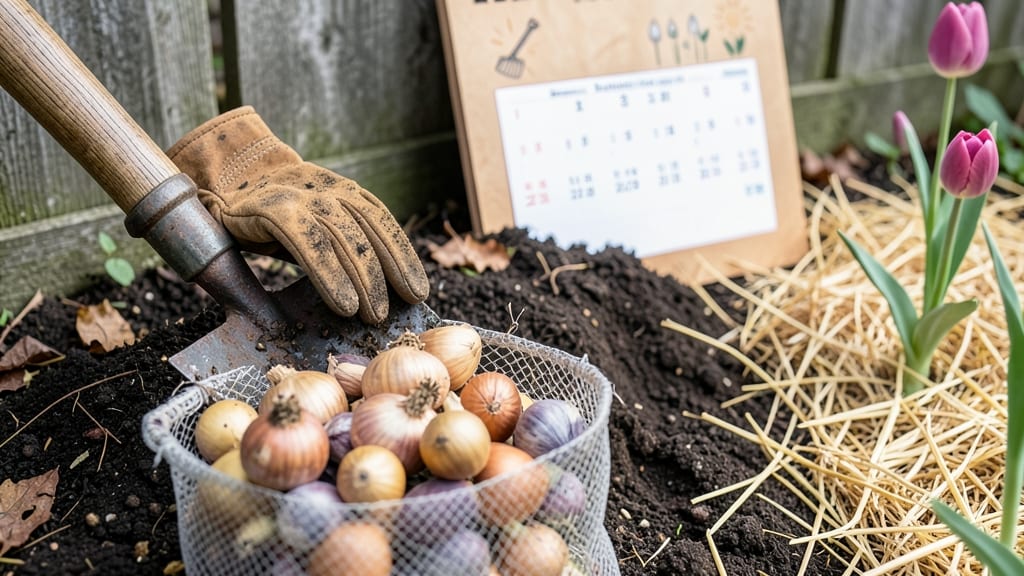
If you're wondering when to plant bulbs in Zone 8a, timing is the secret to vibrant blooms that outlast the summer heat. The key lies in giving those 🌷 roots a strong head start before temperatures climb—plant too early, and they’ll rot; too late, and they’ll struggle to establish.
In Zone 8a, your best bet is fall planting between October and November, when soil stays cool but still has weeks to work before winter slows things down.
This window ensures bulbs like tulips and daffodils get the 6-8 weeks they need to root deeply before summer’s dry spell hits.
But what if you missed fall? Don’t panic—early spring (February to March) is your second chance, though you’ll need to act fast once soil thaws.
The trick is matching your planting schedule to your local microclimate: coastal areas may have a few extra weeks, while inland spots should plant sooner to beat the heat.
I’ll walk you through exact planting months for every bulb type, soil prep tips, and how to adjust for your specific Zone 8a conditions. Let’s get those 🌷 thriving!
Best months to plant spring-blooming bulbs in Zone 8a for maximum growth
In Zone 8a, spring-blooming bulbs like tulips, daffodils, and hyacinths need precise timing to thrive. Planting too early exposes them to winter rains, while late planting risks stunted root growth before summer heat arrives.
The ideal window is October through early November, when soil temperatures hover between 50°F and 60°F—perfect for root establishment.
Bulbs planted in late November may still root but could struggle with early spring growth if soil stays cold. Conversely, September plantings risk rot from lingering warmth and moisture. For Zone 8a's mild winters, aim to finish planting by mid-November to ensure roots develop before January's occasional frost.
Soil temperature is your best guide: Use a soil thermometer to confirm 50°F readings at 4-inch depth.
In inland areas, this may mean shifting plantings to early October, while coastal regions can wait until November. Daffodils and alliums are more forgiving than tulips, which need cooler soil to prevent premature sprouting.
| Bulb Type | Optimal Planting Month | Soil Temp Trigger | Root Depth Goal |
|---|---|---|---|
| Tulips | October | 50-55°F | 6-8 inches |
| Daffodils | October-November | 50-60°F | 8-10 inches |
| Hyacinths | November | 55-60°F | 6-8 inches |
| Alliums | September-October | 60-65°F | 10-12 inches |
Planting depth matters just as much as timing. Use the "three-times rule": Dig holes 3x deeper than the bulb's height. For example, a 2-inch tulip bulb needs a 6-inch hole.
This ensures roots have space to spread downward before summer heat stresses them. Well-draining soil is non-negotiable—amend heavy clay with compost or sand to prevent rot.
After planting, mulch heavily (3-4 inches) with straw or shredded leaves to insulate bulbs from temperature swings. Remove mulch in late winter to allow sunlight to trigger blooming.
In Zone 8a's mild winters, bulbs may sprout as early as February, but don’t rush—wait until soil warms to 55°F before mulch removal.
Watering post-planting is critical but often misunderstood. Give bulbs a deep soak immediately after planting, then water lightly every 7-10 days until December. Avoid soggy soil—bulbs rot faster than they root.
Once shoots appear in spring, increase watering to 1 inch per week, focusing on the base of plants, not the foliage, to prevent fungal diseases like botrytis.
For second-year blooms, let foliage yellow naturally after flowering—this feeds the bulb for next year. Cut back only when leaves turn brown.
In Zone 8a, summer-dormant bulbs like daffodils may resprout in fall; trim back but leave roots intact. Tulips, however, need a 6-week rest after blooming before you can cut back.
If you miss the fall window, spring planting is possible but riskier. Plant tulips and hyacinths in February for summer blooms, but expect smaller flowers. Daffodils planted in spring may bloom the following year. Always choose firm, plump bulbs with no soft spots—these handle transplant stress better.
Pro tip: Mark your bulb beds with bamboo stakes or flags to avoid disturbing them during summer weeding. In Zone 8a, where summers can be 90°F+, shade cloth (30-50%) helps bulbs conserve moisture until fall rains return.
Pair spring bulbs with perennials like hostas or heucheras to extend their lifespan through the heat.
When to plant fall-blooming bulbs in Zone 8a to avoid summer dormancy
Fall-blooming bulbs like crocuses and fall daffodils need precise timing to thrive in Zone 8a’s heat. Planting them too early risks premature sprouting, while waiting too long can stunt root growth before summer dormancy.
The key is to mimic their natural habitat—cool soil and moderate moisture before the heat sets in.
In Zone 8a, aim to plant fall-blooming bulbs 8-10 weeks before your first frost, typically between late August and early October. This window ensures roots establish before summer’s dormancy period, giving them the energy to rebloom in fall.
For example, crocuses planted in early September often flower by October, while fall daffodils need until mid-October to show their best colors.
Soil temperature is your best guide—wait until it drops below 70°F (21°C) at a depth of 6 inches. Use a soil thermometer to check, as cooler soil signals it’s time to plant.
In hotter inland areas of Zone 8a, you may need to shift planting to late September to avoid heat stress.
📌 Key Planting Timeline for Fall-Blooming Bulbs in Zone 8a
- Late August: Plant early varieties (e.g., crocuses) in cooler microclimates.
- Early September: Ideal for most fall bulbs (e.g., fall daffodils, autumn crocuses).
- Mid-September: Last chance for heat-sensitive varieties (e.g., Sternbergia).
- October 1st: Final deadline—roots won’t establish in time for summer dormancy.
After planting, focus on moisture management to prevent summer drought stress. Water deeply once a week until the first frost, then reduce to monthly during dormancy.
Mulch with 2-3 inches of straw to retain moisture and protect bulbs from temperature swings. Avoid overwatering in winter, as soggy soil can rot bulbs.
One common mistake is assuming all bulbs follow the same schedule. For instance, Sternbergia (a fall-blooming lily) needs planting by mid-September in Zone 8a, while autumn crocuses can handle a later window. Always check the specific variety’s needs—some are more heat-tolerant than others.
If you miss the fall window, don’t despair! You can still plant fall-blooming bulbs in early spring (February-March), but expect smaller blooms. The trade-off is worth it for late additions to your garden. Just ensure the soil is workable and not waterlogged—spring planting requires extra care to avoid rot.
With the right timing, your fall-blooming bulbs will reward you with vibrant colors just as summer fades into autumn. The secret? Cool soil, patience, and a little extra mulch—your future blooms will thank you! 🌷