
Plants
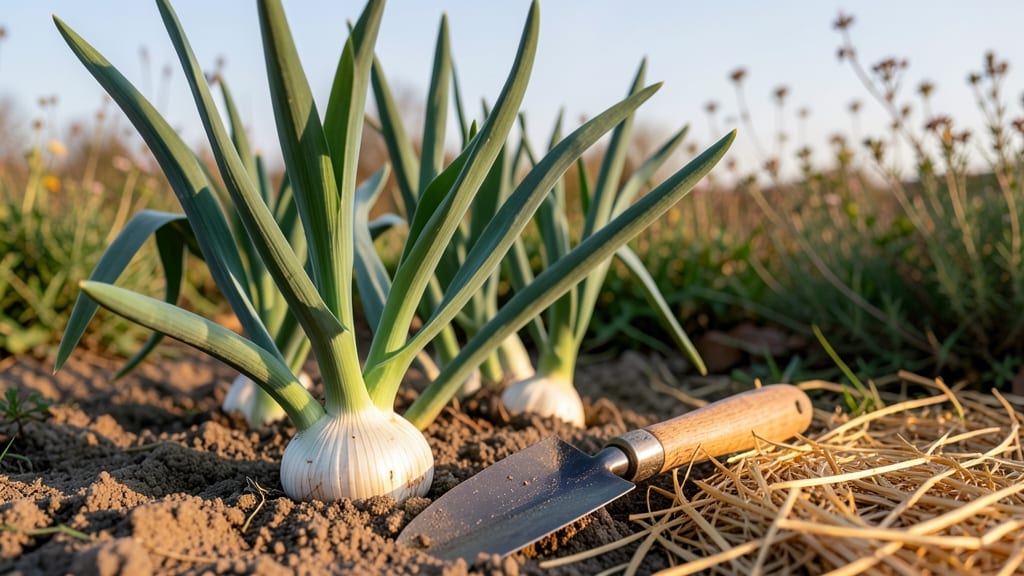
Timing your garlic planting just right in South Dakota could mean the difference between a bumper crop of 🧄 and a wasted season. The perfect window for planting zero-frost garlic varieties opens in late September and stretches into early October—right before the ground freezes solid.
Why does this matter so much? Garlic thrives when planted 4-6 weeks before the first hard frost, giving roots time to establish before winter sets in. In zones 4a-5b, that means no more guessing—just a clear schedule to follow for bulbs that’ll be ready to harvest next July.
But here’s the catch: planting too early or too late can leave your garlic vulnerable to rot, heaving, or even failure.
I’ll walk you through the exact dates for Sioux Falls, Rapid City, and Aberdeen, plus soil prep tips to ensure your cloves survive the harsh winters and emerge strong in spring.
Skip the trial-and-error—let’s get your garlic in the ground at the perfect moment for plump, flavorful bulbs that’ll make your kitchen the envy of the neighborhood.
Optimal fall planting dates for South Dakota garlic by USDA Zone
South Dakota’s USDA zones 4a-5b create a narrow but critical window for planting garlic—too early and cloves rot, too late and they won’t establish roots before winter.
The ideal planting time is 4-6 weeks before the ground freezes, which typically falls between late September and early October across most of the state.
For gardeners in Sioux Falls (Zone 4b), aim to plant between September 25 and October 10. In Rapid City (Zone 5a), you’ve got a slightly longer window: October 1-15.
Meanwhile, gardeners in Aberdeen (Zone 4a) should plant by October 1 to ensure roots establish before hard freezes.
This timing aligns with South Dakota’s average first hard frost dates, which typically arrive in mid-October in the eastern part of the state and early November in the west.
Planting too early risks rot from excess moisture, while planting too late leaves garlic vulnerable to heaving (when soil freezes and expands, pushing bulbs out of the ground).
Below, you’ll find a quick-reference table with exact planting dates for key cities, plus soil temperature guidelines to ensure your garlic gets off to the right start.
| USDA Zone | City | Planting Window | Soil Temp (°F) | Notes |
|---|---|---|---|---|
| 4a | Aberdeen, Watertown | September 20–October 1 | 45–55°F | Earliest frost: Oct 15 |
| 4b | Sioux Falls, Mitchell | September 25–October 10 | 40–50°F | First hard frost: Oct 20 |
| 5a | Rapid City, Hot Springs | October 1–15 | 35–45°F | Later frost: Nov 5 |
| 5b | Huron, Pierre | October 10–20 | 30–40°F | Coldest winters; use mulch |
Pro tip: Use a soil thermometer to confirm temperatures—garlic roots need 40–50°F soil to establish before winter. If your soil is still warm (above 55°F), wait a few days to avoid rot.
Once planted, cover beds with 4–6 inches of straw mulch after the ground freezes to insulate bulbs and prevent heaving. This extra layer is especially critical in Zone 4a, where winters are harshest.
For gardeners in higher elevations (e.g., Black Hills), push planting dates 1–2 weeks earlier—cold air settles faster in valleys, and frost can arrive sooner.
Remember, garlic planted in fall will emerge in early spring (March–April) and be ready to harvest by mid-July. The key is getting those cloves in the ground at the right moment—neither too soon nor too late.
Need a backup plan? Some gardeners in Zone 5a successfully plant garlic in early November if the soil is workable, but this is risky and only recommended for experienced growers with well-draining soil.
With these dates locked in, you’re ready to move on to soil prep and clove selection—the next steps to ensure your garlic thrives through South Dakota’s winters.
Optimal fall planting dates for South Dakota garlic by USDA Zone
South Dakota’s USDA zones 4a-5b create distinct planting windows for garlic, where timing directly impacts bulb survival and harvest quality. In zone 4a (e.g., Aberdeen), aim for late September to early October—this gives roots 4-6 weeks to establish before the ground freezes solid (typically mid-November).
For zone 5a (e.g., Sioux Falls), you’ve got a slightly longer window: mid-September to mid-October.
Why the difference? Warmer zones like Rapid City (zone 5a) can handle later plantings, while colder areas like Watertown (zone 4a) need garlic in the ground earlier. Miss the window, and you risk heaving bulbs or rot from winter moisture. Let’s break it down by city for precision.
🌱 Key Takeaway: Plant garlic 4-6 weeks before your first hard frost—this is non-negotiable for South Dakota’s climate.
| USDA Zone | City Examples | Ideal Planting Window | First Frost Date | Notes |
|---|---|---|---|---|
| 4a | Aberdeen, Watertown | Late September–early October | Mid-October | Plant early; soil freezes sooner |
| 4b | Mitchell, Huron | Early–mid October | Late October | Soil stays workable longer |
| 5a | Sioux Falls, Rapid City | Mid-September–mid October | Early November | Flexible window; prioritize well-drained soil |
Pro tip: Use a soil thermometer to confirm your garden bed is below 40°F before calling it quits for the season. If the ground is still workable (not frozen or muddy), you can push planting into early November—just cover with straw mulch (4-6 inches) to insulate bulbs.
For elevation adjustments, add 1-2 weeks earlier for high-altitude areas (e.g., Black Hills). For example, if you’re gardening near Harney Peak, plant by September 15th to avoid early freezes. Always opt for hardneck varieties like ‘German Red’ or ‘Silverskin’—they handle South Dakota’s winters like champs.
Missed the fall window? Don’t panic—you can still plant garlic in early spring (March-April), but bulbs will be smaller and less flavorful. Fall planting is the gold standard for zero-frost garlic in South Dakota, so mark your calendar now!