
How To
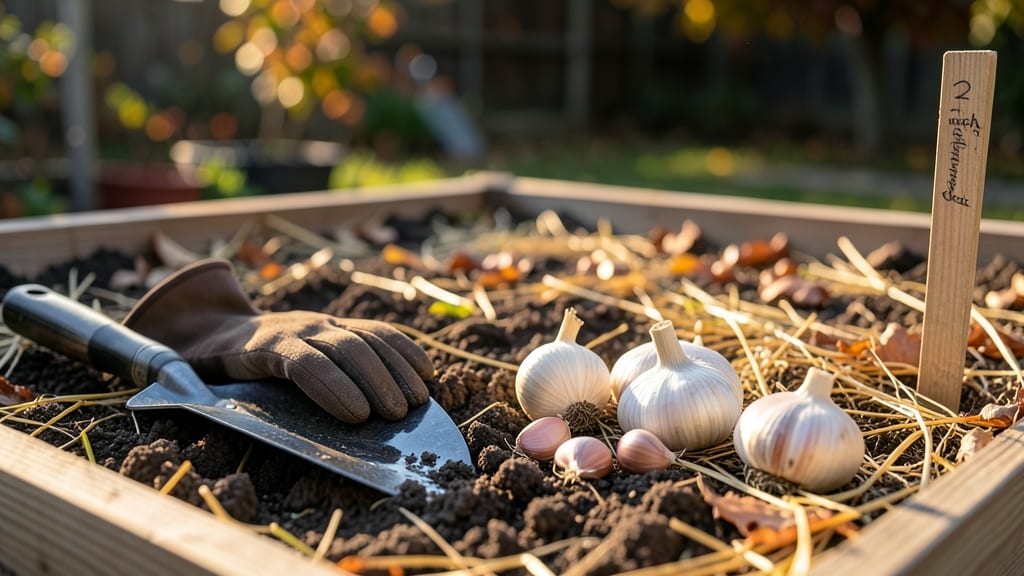
Planting garlic in the fall is your golden ticket to bold, flavorful bulbs next summer—but get the timing wrong, and you’ll end up with weak, puny cloves. The key?
Understanding your climate zone and acting 4-6 weeks before the first frost, when soil temps dip but roots still have time to establish before winter sets in.
I’ve grown garlic for years, and the difference between a thriving crop and a flop comes down to two things: planting at the right time and giving those cloves the perfect spot in well-draining soil.
Whether you’re in USDA Zone 6a or further south, this guide breaks down the exact window you need to follow for maximum bulb size and minimal effort.
You’ll discover how to prep your soil, space cloves for airflow, and mulch like a pro to protect them through winter. No more guessing—just step-by-step instructions tailored to your region, so you can harvest plump, healthy garlic by mid-summer. Let’s get those 🧄 cloves in the ground the right way!
Ready to ditch store-bought garlic and grow your own? I’ll walk you through everything—from choosing the best varieties to avoiding common mistakes that sabotage your crop.
By the end, you’ll be planting with confidence, knowing exactly when and how to set up your garlic for a bigger, better harvest next year.
Best fall planting months by US climate zone: exact timing for maximum garlic yield
Planting garlic in the fall gives it a head start on growth, but timing is everything. The key is planting 4-6 weeks before the ground freezes—this ensures roots establish before winter dormancy.
In most of the U.S., that means October or early November, but your exact window depends on your USDA hardiness zone and local frost dates.
Garlic thrives when planted in cool soil (40-50°F)—too early, and cloves rot; too late, and they won’t develop strong bulbs. For example, gardeners in Zone 5 (like Chicago) should plant in mid-October, while those in Zone 9 (like Los Angeles) can wait until early December.
The goal? Let garlic grow 60-80 days before summer heat hits, when bulbs mature.
Regional adjustments matter. In the Pacific Northwest, where winters are mild, you might plant as late as December, while in the Deep South (Zones 8-10), garlic can even be planted in January to avoid summer heat stress.
Always check your average first frost date—planting too close to freezing risks poor root development.
Here’s how to find your perfect planting window: Check your USDA zone, then count back 4-6 weeks from your first expected frost. For example, if frost hits November 15, aim for a mid-October planting. Pro tip: Use a soil thermometer to confirm temps are between 40-50°F before planting.
⚠️ Critical Note: Garlic planted in late fall (January or later) may still produce bulbs, but they’ll be smaller and less flavorful. The ideal window is October-November for most regions, balancing cold tolerance and growth time.
| USDA Zone | Best Planting Month | Soil Temp Goal | Frost Window |
|---|---|---|---|
| Zones 3-4 (Cold Climates) | Late September - Early October | 40-50°F | Before Nov 15 |
| Zones 5-6 (Midwest/Northeast) | Mid-October | 40-50°F | Before Nov 30 |
| Zones 7-8 (Southeast) | October - Early November | 45-55°F | Before Dec 15 |
| Zones 9-10 (West Coast/Southwest) | November - Early December | 50-60°F | Before Jan 15 |
🌱 Note: Adjust for early/late frosts in your area.
If you’re in a warmer microclimate (like a low-lying area), plant on the earlier side of the window to avoid summer heat. Conversely, in high-altitude zones, wait until soil temps drop closer to 40°F to prevent rot.
Always prioritize root establishment over rushing the process—garlic planted too early can rot in wet soil.
For organic gardeners, consider using composted manure or worm castings in the planting hole to boost early root growth. This is especially helpful in sandy soils, where nutrients leach quickly. Avoid fresh manure, as it can burn young roots and delay bulb formation.
One final tip: If you miss the fall window, spring planting is possible (March-April), but bulbs will be smaller and less flavorful. Fall-planted garlic has 6-8 months to mature, while spring-planted garlic only gets 3-4 months—a huge difference in bulb size and quality.
🌡️ Pro Move: Use a frost calendar (like the Old Farmer’s Almanac) to pinpoint your exact planting date. Even a 1-2 week difference can impact bulb size!
Best fall planting months by US climate zone: exact timing for maximum garlic yield
Timing your garlic planting is everything—plant too early, and cloves rot; too late, and they won’t establish roots before winter. The ideal window is 4-6 weeks before your first frost, when soil temperatures hover around 40-50°F (4-10°C).
This gives roots time to anchor before the ground freezes, setting the stage for large, flavorful bulbs next summer.
Your USDA hardiness zone dictates the perfect month. In Zones 3-5, aim for mid-October to early November, while Zones 6-8 can plant as late as late November. Southern gardeners in Zones 9-10 have flexibility until December, but avoid planting when frost is imminent.
| USDA Zone | Best Planting Month | Soil Temp | Key Notes |
|---|---|---|---|
| 3-5 | Mid-October to early November | 40-50°F (4-10°C) | Plant before ground freezes; mulch heavily. |
| 6-8 | Late October to late November | 45-55°F (7-13°C) | Avoid planting after first frost; use cold-hardy varieties. |
| 9-10 | November to early December | 50-60°F (10-16°C) | Plant softneck varieties; minimal mulch needed. |
Regional quirks matter! In the Pacific Northwest, where winters are wet, plant earlier (September-October) to avoid rot from excess moisture. Meanwhile, in the Deep South, December planting works if you use cold-hardy varieties like ‘Silverskin’ or ‘Creole.’
Always check your local frost dates—extension offices provide precise timelines.
Pro tip: Use a soil thermometer to confirm temps. If soil is below 40°F (4°C), wait—roots won’t establish. For container growing, plant in well-draining pots and move them to a garage or shed if frost threatens.
Once planted, focus on mulching with 4-6 inches of straw or leaves to insulate roots. This protects cloves through winter while encouraging strong bulb formation in spring. Skip the mulch, and you risk frost-heaving or stunted growth.
By nailing your planting window, you’ll harvest plump, flavorful garlic next summer—no more shriveled store-bought cloves! The secret? Act now, prep your soil, and let winter do the work for you. Your future meals will thank you. 🧄