
Plants
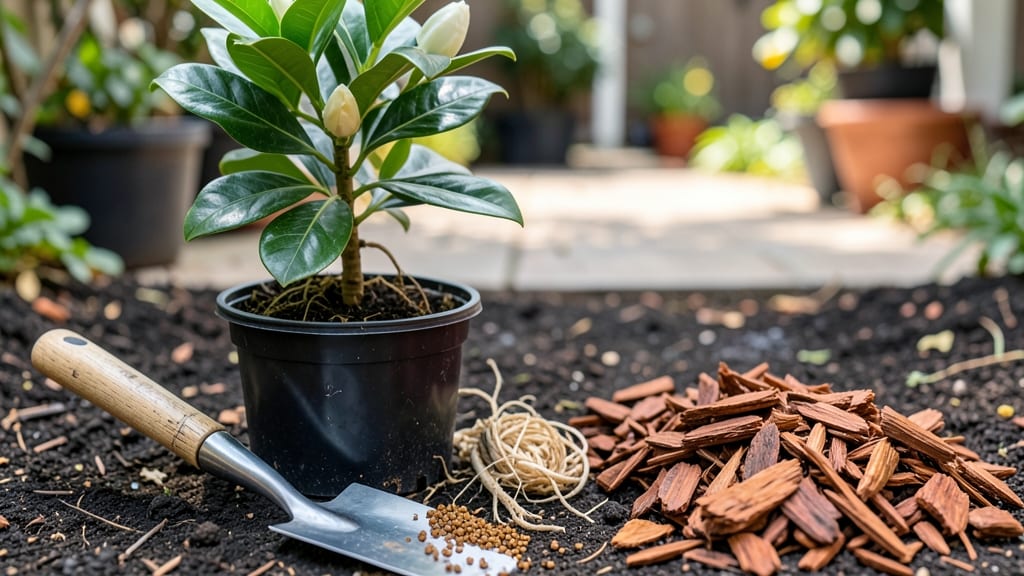
Planting your gardenia 🌸 at the wrong time in North Carolina can mean the difference between stunning blooms and struggling shrubs. The key to success lies in understanding your local frost dates and soil conditions—because these fragrant favorites demand precision timing to thrive in NC’s 7a-8b zones.
Most gardeners in North Carolina wait until March or April after the last frost, but there’s more to it than just picking a month. Coastal areas and Piedmont regions have different microclimates, and even a few degrees can change everything for your gardenia’s root establishment.
In this guide, I’ll break down exactly when to plant for zero frost risk and maximum blooms, plus how to prepare your soil for these acid-loving shrubs.
Whether you’re a first-time gardener or a seasoned pro, these NC-specific tips will help you avoid common mistakes and get your gardenia off to the best possible start.
Ready to transform your landscape with fragrant, healthy gardenias? Let’s dive into the perfect planting window for your region—and set your shrubs up for years of beautiful, low-maintenance growth.
Best months to plant gardenias in NC for frost-free growth
North Carolina’s mild winters and humid summers create perfect conditions for gardenias—but timing your planting is critical. The ideal window spans from late March through June, aligning with soil warmth and avoiding late frosts that can kill tender roots.
For maximum bloom potential, focus on April and May, when daytime temperatures consistently stay above 60°F.
Gardenias are frost-sensitive, and even light freezes (28°F) can damage new growth. In USDA Zones 7b-8a (most of NC), the average last frost date falls between mid-March and early April, depending on elevation and microclimate.
Coastal areas like Wilmington can plant 2-3 weeks earlier than Piedmont regions like Greensboro.
For coastal NC (Zones 8a-8b), aim for March 15–April 15, while Piedmont and Mountain regions (Zones 7a-7b) should wait until April 15–May 1. Fall planting is riskier but possible in September, giving roots time to establish before winter.
However, avoid planting after October 15 to prevent frost damage before dormancy sets in.
🌱 NC Gardenia Planting Timeline
| Season | Best Planting Window | Soil Temp Requirement | Frost Risk |
|---|---|---|---|
| Spring | March 15–June 1 | 60°F+ (consistent) | Low (post-last frost) |
| Fall | September 1–15 | 55°F+ (minimum) | Moderate (early frost risk) |
| Summer | Avoid (stress risk) | N/A | High (heat shock) |
| Winter | Not recommended | N/A | Extreme (frost damage) |
🌡️ Pro Tip: Use a soil thermometer to confirm 60°F+ before planting.
If you’re in a warmer microclimate (e.g., coastal NC or urban heat islands), you can push planting to late February, but monitor nighttime temperatures. A frost cloth can buy you an extra 2-3 weeks in early spring or late fall, but it’s not a long-term solution.
For container gardening, timing is less critical since you can move pots indoors if frost threatens.
One common mistake is planting too early in February, when soil remains cold and roots struggle to establish. Gardenias planted in cold soil (50°F or below) are prone to root rot and poor transplant shock.
Always amend soil with compost and mulch heavily to insulate roots and maintain acidic pH (5.0–6.0).
For established gardenias, the best time to transplant or divide is also spring (April–May), when the plant is actively growing but not yet flowering. This minimizes stress and ensures strong root regrowth before summer heat sets in.
In coastal NC, you can extend this window to June, but avoid transplanting after July 1 to prevent heat stress.
Remember, gardenias thrive on routine, and consistent moisture and warmth are key to their first year of growth. By planting at the right time, you’ll set your gardenias up for lush foliage and abundant blooms by their second summer. The fragrant white flowers are worth the wait! 🌸
Best months to plant gardenias in NC for frost-free growth
North Carolina’s USDA Zones 7a-8b offer two ideal windows for planting gardenias: late March through June and September. The key is avoiding frost—gardenias are tropical plants that cannot tolerate temperatures below 30°F.
In most of NC, the last frost typically occurs between March 15-31, but coastal areas like Wilmington can plant as early as February 15.
For maximum blooms, I recommend planting between April and early June. This gives roots 6-8 weeks to establish before summer heat sets in. September plantings work too, but you’ll need to protect young plants from early fall frosts, which can hit Piedmont regions by mid-November.
Coastal areas have a longer growing season, so September plantings often thrive.
🌱 NC Gardenia Planting Timeline
| Month | Best For | Soil Temp | Notes |
|---|---|---|---|
| March (Coastal) | Early Planting | 55-60°F | Wait for last frost; mulch heavily |
| April-June | Ideal Window | 60-75°F | Best bloom potential; full root growth |
| September | Fall Option | 65-70°F | Protect from early frost; water deeply |
If you’re in Zone 7a (western NC), wait until mid-April to ensure no late frosts. In Zone 8a (coastal areas), you can plant as early as February 15, but soil temperatures must stay above 55°F for roots to establish.
Always check your local NC State Climate Office for frost dates—even a few degrees can make the difference between thriving and struggling gardenias.
For container gardenias, you can plant anytime the soil is workable, but spring is still best. Containers warm up faster, so late March plantings often work even in cooler zones. Just ensure your pots have drainage holes and use a well-draining, acidic mix (pH 5.0-6.0).
Pro tip: Mulch heavily after planting with 3-4 inches of pine bark to retain moisture and regulate soil temperature. This is especially critical in dry spring months when gardenias are establishing roots. Mulch also helps prevent soil-borne diseases common in NC’s humid summers.
Remember, gardenias are not frost-hardy, so even a light freeze can kill young plants. If you’re planting in late fall, use frost cloth or move containers to a sheltered spot.
With the right timing, your gardenias will reward you with fragrant blooms from summer through fall—and that’s a scent worth waiting for! 🌸