
Plants
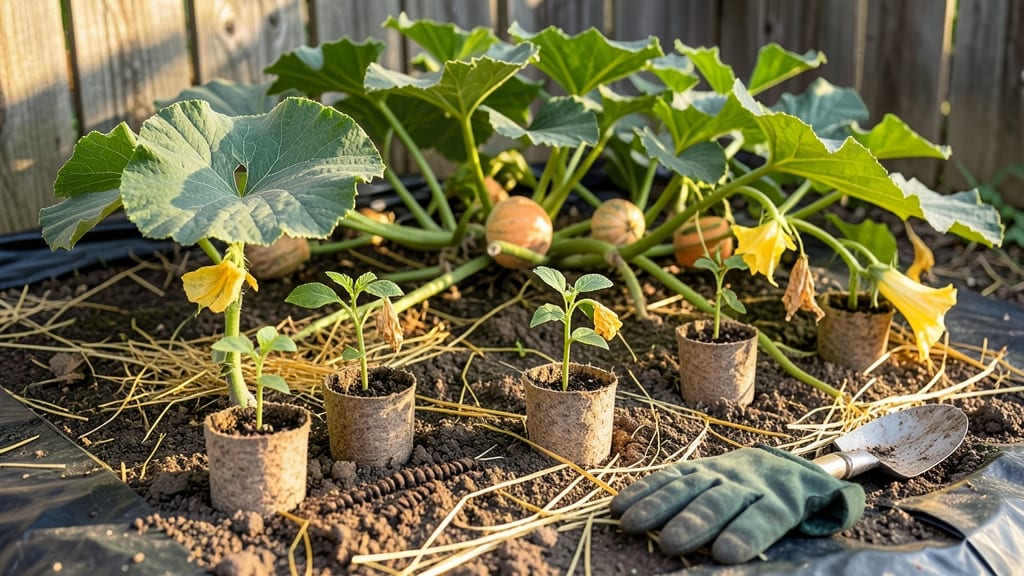
If you’ve ever wondered when to plant pumpkins in Kentucky but weren’t sure about the best timing, you’re not alone. The key to a thriving harvest lies in understanding the perfect planting window for your zone—because getting it wrong can mean the difference between a bumper crop and wasted effort.
Kentucky's 6a-7b climate gives gardeners a 180-day frost-free window, making it ideal for pumpkins—but timing is everything. Plant too early, and frost will nip your seedlings in the bud; too late, and you'll miss the sweet spot for maximum growth before fall sets in.
I'll walk you through exactly when to plant pumpkins in Kentucky, from the mid-April window after last frost to the best soil temperature thresholds for germination. Whether you're a first-time gardener or a seasoned pro, these insights will help you plan for a successful harvest from late September through October.
Ready to grow pumpkins that rival the ones at the farmers' market? Let's dive into the step-by-step planting timeline that works for Kentucky's unique growing conditions.
Optimal pumpkin planting dates in Kentucky by Zone (7a vs 8b)
Kentucky’s Zone 7a-8b climate gives you a 180-day frost-free window, perfect for pumpkins that need 90-120 days to mature. But timing varies between zones—get it wrong, and you’ll either lose seedlings to frost or harvest too late.
Here’s the exact window for direct sowing vs. transplanting in each zone, plus soil temperature thresholds you must check.
For Zone 7a (northern KY), the last average frost date is April 15, while Zone 8b (southern KY) sees frost-free conditions by March 20. This means Zone 8b gardeners can start 3 weeks earlier—a critical advantage for late varieties.
Always verify your local frost date using the Kentucky State University Extension’s frost calendar.
Soil temperature is your true guide: pumpkin seeds won’t sprout below 60°F. In Zone 7a, soil hits this mark around mid-April, while Zone 8b reaches it by early April. Use a soil thermometer ($10 at garden centers) to confirm—cold soil delays germination by weeks.
Here’s your planting timeline for both zones, including early vs. late varieties and transplanting tips if you start indoors:
| Zone | Last Frost | Soil Temp Threshold | Direct Sow Window | Transplant Window | Harvest Window |
|---|---|---|---|---|---|
| 7a (Northern KY) | April 15 | 60°F+ | April 20–May 10 | April 1–15 (start indoors) | Late Sept–Oct |
| 8b (Southern KY) | March 20 | 60°F+ | March 25–April 15 | March 1–15 (start indoors) | Early Sept–Oct |
⚠️ Pro Tip: Zone 8b can squeeze in 2 plantings—early (March) for fast varieties like ‘Jack Be Little’ (75 days) and late (May) for giant types like ‘Atlantic Giant’ (120+ days).
If you’re transplanting seedlings, start them indoors 4-6 weeks before your zone’s last frost. Use biodegradable pots to avoid root shock—pumpkin roots are sensitive. Harden off seedlings for 7-10 days before moving them outdoors, gradually increasing sunlight exposure to prevent leaf scorch.
For direct sowing (recommended for Kentucky’s heat), plant seeds 1 inch deep in hills spaced 4-6 feet apart.
Each hill should have 2-3 seeds—thin to the strongest seedling after germination. Black plastic mulch (lay it 2 weeks before planting) warms soil faster and speeds germination by 5-7 days.
Choose varieties suited to Kentucky’s heat: ‘Sugar Pie’ (80 days) for pies, ‘Howden’ (90 days) for carving, or ‘Cinderella’ (95 days) for storage. Avoid northern varieties like ‘New England Pie’—they’ll bolt (flower prematurely) in Kentucky’s summer heat.
Missed the ideal window? Don’t panic—succession planting can still work. Sow a second batch in early June for a late harvest, but pick fast-maturing varieties (under 90 days) to avoid frost. Just be ready to harvest before October 15, Kentucky’s first frost average.
🎃
Optimal pumpkin planting dates in Kentucky by Zone (7a vs 8b)
Kentucky’s Zone 7a and Zone 8b offer slightly different windows for planting pumpkins, but both require waiting until the soil warms to 60°F (15°C) and all danger of frost has passed.
In Zone 7a, this typically lands between mid-April and early May, while Zone 8b gardeners can start as early as late March to mid-April.
The key is aligning your planting with Kentucky’s average last frost date, which is around April 15. However, I always recommend checking the Kentucky State University Extension for your specific county’s frost data—it can vary by 3-5 days depending on elevation and microclimates.
For direct sowing (planting seeds directly in the ground), aim for 2-4 weeks after the last frost. This gives seeds time to germinate in warm soil without risking cold snaps. If you’re transplanting seedlings, start them indoors 4-6 weeks before your target outdoor planting date.
| Zone | Last Frost Date | Ideal Planting Window | Soil Temp Threshold | Harvest Window |
|---|---|---|---|---|
| 7a | April 15 | Mid-April to early May | 60°F (15°C) | Late Sept - Oct |
| 8b | March 31 | Late March to mid-April | 60°F (15°C) | Early Sept - Oct |
*Adjust for early/late varieties: Early varieties (75-80 days) can plant up to June 1; late varieties (100+ days) need April planting.
Pro tip: Use black plastic mulch to warm the soil faster and extend your planting window by 1-2 weeks. This is especially helpful in Zone 7a, where cooler springs can delay germination. I’ve seen it cut my planting timeline by nearly half in some years!
If you’re growing miniature or bush varieties, you can push planting slightly later—up to mid-June—since they mature faster (75-85 days). But for standard pumpkins like Howden or Jack Be Little, stick to the early window for the best results.
Remember, pumpkins need 90-120 days to mature, so count backward from your first frost date (October 15) to determine your latest planting date. For example, a 100-day variety planted on June 1 might not fully ripen before frost—so plan accordingly!