
Planting
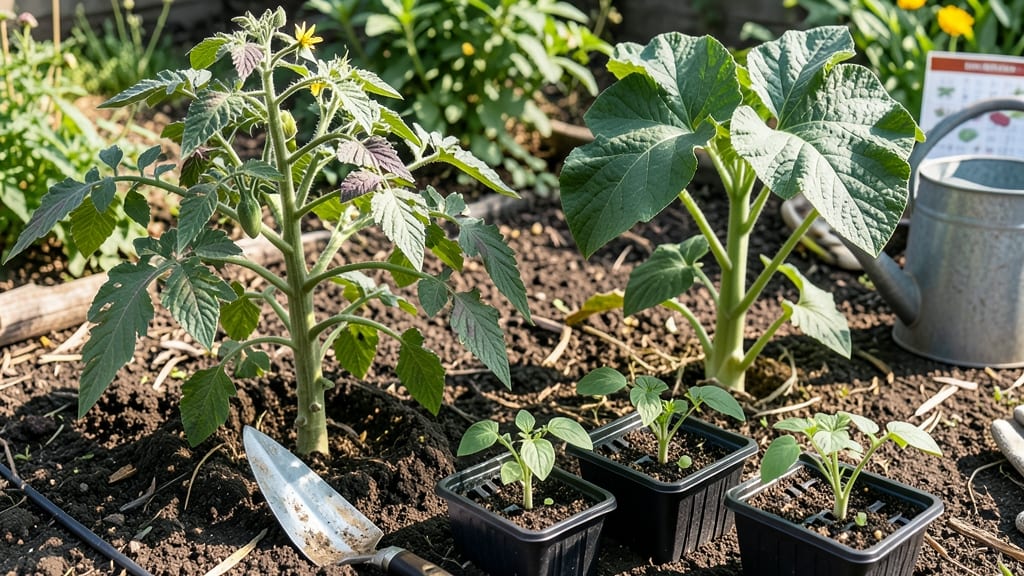
Timing your Central Texas garden planting could mean the difference between a thriving harvest and wilted disappointment—especially when you're staring down 100°F+ summers and unpredictable frost dates.
The 8a-8b zone might seem tricky, but mastering the spring and fall windows (late February to early April, then August to September) unlocks a bounty of heat-resistant crops that actually thrive here.
I’ve grown everything from okra to Texas Superstar flowers in this climate, and let me tell you—planting too early risks frost damage, while waiting too long means missing the ideal 60°F soil temps for germination.
The key? Knowing which crops play well in the heat (like sweet potatoes and Malabar spinach) and when to tuck in cool-season favorites before the first frost in mid-November.
In this guide, you’ll get a month-by-month breakdown of what to plant, soil prep tips to beat the drought, and even adjustments for raised beds or containers.
Whether you’re a first-timer or a seasoned gardener, these strategies will help you avoid common mistakes and turn your Central Texas garden into a year-round success story.
Ready to ditch the guesswork? Let’s dive into the exact planting schedule—and the heat-resistant crops—that will keep your garden flourishing when others are wilting.
Central Texas planting zones: frost dates and heat-resistant crops calendar
Central Texas spans USDA Zones 8a-9b, where last frost dates typically arrive around March 15 and first frosts hit by November 15. These dates create a 220-day growing window—perfect for heat-loving crops like okra, sweet potatoes, and Malabar spinach.
However, urban areas like Austin often experience earlier frosts than rural zones, so always check local weather trends.
Understanding your microclimate is key: South-facing slopes warm faster in spring, while low-lying areas hold cold air longer. For example, Hill Country elevations may see frost 2-3 weeks later than Blackland Prairie regions. Use this month-by-month calendar as your guide, but stay flexible—Texas weather is unpredictable!
Here’s your heat-resistant planting timeline, tailored for Central Texas’ brutal summers and mild winters. Adjust based on your last frost date and soil temperature (aim for 60°F+ in spring).
| Month | Planting Window | Best Crops | Soil Temp | Notes |
|---|---|---|---|---|
| February | Start seeds indoors | Onions, peas, lettuce | 50-60°F | Use row covers for frost protection |
| March | Direct sow after last frost | Tomatoes, peppers, beans | 60-70°F | Mulch to retain moisture |
| April | Plant heat-tolerant veggies | Okra, sweet potatoes, eggplant | 70-80°F | Water deeply 2-3x/week |
| May-July | Succession plant | Malabar spinach, cowpeas, black-eyed peas | 80-100°F | Shade cloth for seedlings |
| August-September | Fall planting begins | Broccoli, cabbage, kale | 70-80°F | Use raised beds for warmth |
| October-November | Cool-season crops | Spinach, carrots, radishes | 50-60°F | Protect from early frosts |
For urban gardeners, container gardening extends your planting window. Raised beds warm up faster in spring and stay cooler in summer, making them ideal for heat-sensitive crops like lettuce or cucumbers.
If you’re in Zone 9b (e.g., San Antonio), you can plant tomatoes and peppers in January—just monitor soil temps closely.
Pro tip: Use a soil thermometer to confirm readiness. 60°F+ soil is non-negotiable for warm-season crops like peppers and eggplants. If your soil is still cold, opt for cool-season alternatives like kale
Best heat-resistant vegetables for Central Texas: what to plant by season
Central Texas summers can hit 100°F+, making traditional veggies wilt before harvest. But heat-loving crops like okra, sweet potatoes, and Malabar spinach thrive here—if you plant them at the right time.
My garden’s summer bounty comes from following this seasonal planting guide, tailored to Texas’ brutal climate.
Spring is your cool-season window (February–April) for broccoli, kale, and peas. But once temps climb above 80°F, switch to heat-tolerant varieties like Texas Blue Okra or Cherokee Purple tomatoes. I’ve learned the hard way—planting lettuce in May? Disaster.
🌱Pro Tip: Use succession planting for summer crops. Sow bush beans every 2 weeks from May–July to stretch your harvest. Pair them with okra (which deters pests) for a self-sustaining duo.
🌿 Top 5 Heat-Resistant Crops for Central Texas
- 1. Okra – Texas Blue variety thrives in 90°F+; harvest pods at 3–4 inches.
- 2. Sweet Potatoes – Beauregard matures in 90–100 days; plant slips in May–June.
- 3. Malabar Spinach – Heat-loving vine (not true spinach); grows in partial shade.
- 4. Black-Eyed Peas – Texas Cream variety handles drought better than standard peas.
- 5. Peppers (Jalapeño, Cayenne) – Spicier peppers tolerate heat; harvest before first frost.
Fall is your second chance (August–September) for cool-season crops like kale and carrots. But don’t overlook winter squash—it stores well and handles light frosts. My 2022 harvest included butternut squash planted in late August that lasted until December!
🌡️Key Temp Triggers: Wait until soil hits 60°F+ in spring (use a soil thermometer) and plant after May 15 to avoid late frost surprises. For summer crops, mulch heavily to retain moisture—straw or wood chips work best.
For container gardening, opt for compact varieties like ‘Tiny Tim’ tomatoes or ‘Bush Blue Lake’ beans. Containers dry out 3x faster in heat, so water daily and use self-watering pots.