
Plants
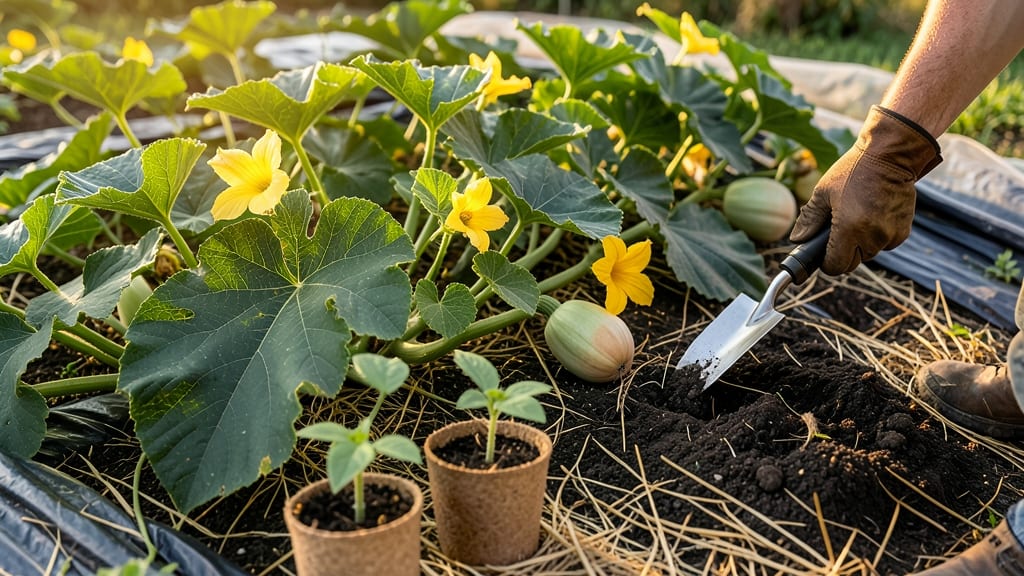
If you're dreaming of a homegrown harvest of sweet, nutty butternut squash 🎃, Florida's warm climate actually works in your favor—when you plant it right.
Unlike cooler regions, Florida gardeners can enjoy two growing seasons for this hardy vegetable, but timing is everything to avoid wilting vines or stunted growth.
Most gardeners in Florida's 9a-11 zones know the struggle: plant too early, and the heat zaps your seedlings; wait too long, and you miss the perfect window.
The key is starting seeds indoors 4-6 weeks before your target planting date—typically March-May for spring or August-September for fall—when soil temperatures hit at least 70°F.
I've grown butternut squash in Florida for years, and the difference between a thriving patch and a failed attempt often comes down to these exact timing tips.
You'll learn how to match your planting schedule to Florida's microclimates, choose the best heat-tolerant varieties, and keep your plants happy through summer's brutal heat.
Ready to transform your garden into a butternut squash powerhouse? Let's dive into the exact months and strategies that work—so you can enjoy homegrown harvests from summer through winter.
Best months to plant butternut squash in Florida’s climate zones
Florida’s frost-free growing season makes butternut squash a fantastic choice, but timing is everything. Unlike northern states, you can plant twice a year—once in spring and again in late summer—to avoid the brutal mid-summer heat.
The key is planting when soil temperatures hit 70°F+, which triggers germination and strong vine growth.
Most of Florida falls in USDA zones 8A-11, meaning you can skip frost worries entirely. However, the Panhandle (Zone 8A) may experience rare late-fall frosts, so adjust your fall planting schedule accordingly. For the rest of the state, focus on March-May for spring plantings and August-September for fall harvests.
Here’s how Florida’s climate zones break down for optimal planting:
| Zone | Spring Planting Window | Fall Planting Window | Harvest Window | Key Tip |
|---|---|---|---|---|
| 8A (Panhandle) | Mid-March to April | Late July to August | June-October (Spring) / Oct-Feb (Fall) | Use row covers in late fall for frost protection. |
| 9A (North/Central FL) | Late February to March | August to early September | May-September (Spring) / Nov-Feb (Fall) | Avoid planting in June-July heat spikes. |
| 9B-10A (Central/South FL) | January to February | July to August | March-July (Spring) / Sept-Dec (Fall) | Extend season with black plastic mulch for heat retention. |
| 10B-11 (South FL) | December to January | June to July | February-June (Spring) / Aug-Nov (Fall) | Plant year-round with shade cloth in peak summer. |
For spring plantings, aim to have your squash mature before Florida’s humidity peaks in July-August. The ideal window is March-April, when soil warms but temperatures aren’t yet extreme. If you’re in North Florida (Zone 8A), wait until mid-March to avoid cooler nights that slow germination.
Fall plantings are trickier because Florida’s summer heat lingers. Start seeds indoors in July and transplant in August to beat the worst of the heat. Use drip irrigation to keep roots cool, and avoid planting after early September in northern regions, as vines may struggle to mature before winter.
Pro tip: Test your soil temperature with a soil thermometer before planting. Butternut squash seeds won’t germinate well below 70°F, even in Florida’s heat. If your soil is cooler (like in early spring or shady spots), use black plastic mulch to warm it up faster.
One common mistake is planting too early in February for northern Florida or too late in June for southern regions. Both scenarios lead to poor germination or heat-stressed plants. Stick to the recommended windows, and your butternut squash will thrive in Florida’s climate.
🌱
Best months to plant butternut squash in Florida’s climate zones
Florida’s frost-free climate means you can plant butternut squash 🎃 twice a year, but the key is matching your planting window to soil temperatures and seasonal heat. Unlike northern states, Florida gardeners don’t need to worry about frost, but soil temperature is critical—aim for at least 70°F for optimal germination.
For spring planting, the best months are March through May, giving your plants time to mature before summer’s brutal heat peaks. In fall, plant between August and September to harvest before winter’s cooler temps slow growth.
Florida spans USDA zones 8a-11, so your exact timing depends on your region. Northern Florida (like Jacksonville) can plant slightly earlier, while South Florida (Miami) may need to adjust for summer’s intense heat.
| Climate Zone | Spring Planting Window | Fall Planting Window | Key Tip |
|---|---|---|---|
| 8a (North FL) | Late March - Early April | Mid-August - Early Sept | Use black plastic mulch for heat retention |
| 9a (Central FL) | Early March - Mid-April | Late August - Mid-Sept | Start seeds indoors 4-5 weeks before transplanting |
| 10a-11 (South FL) | February - Early March | July - Early August | Provide afternoon shade during peak summer |
If you’re in North Florida (zones 8a-9a), consider using row covers or black plastic mulch to warm the soil faster in early spring. For South Florida (zones 10a-11), focus on shade cloth during the hottest afternoons to prevent wilting.
Pro tip: Test your soil temperature with a soil thermometer—butternut squash seeds won’t germinate well below 70°F. If your soil is too cool, wait a few more weeks or use a seedling heat mat for faster sprouting.
Remember, Florida’s humidity and heat can stress young plants, so hardening off seedlings for 7-10 days before transplanting makes all the difference. With the right timing, you’ll enjoy harvests from July through February—just in time for holiday meals!