
Trees
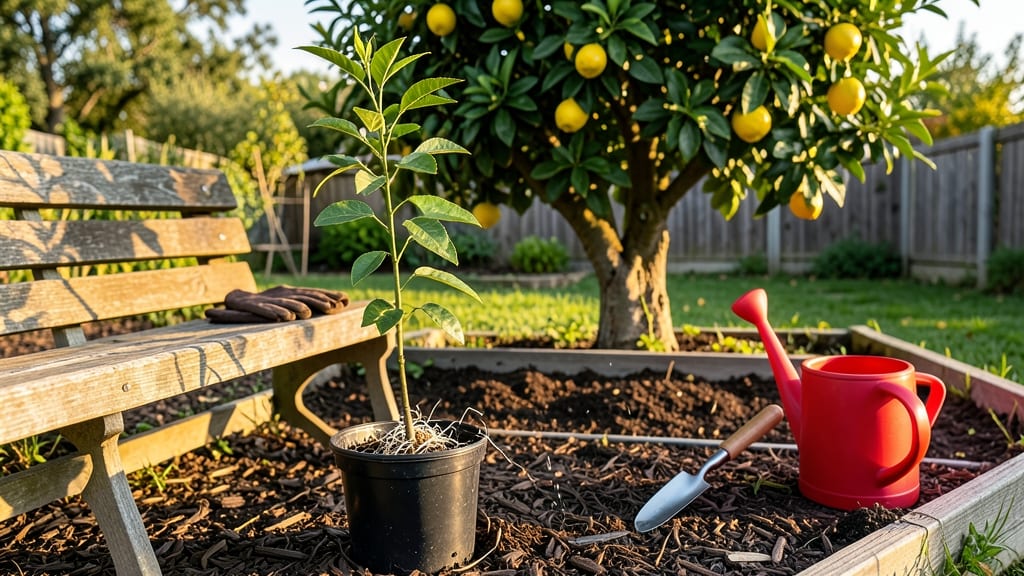
Timing your citrus tree planting in Southern California can make the difference between a thriving orchard and a sad, frost-nipped failure—especially when coastal breezes meet inland heat waves.
The perfect window isn’t just about the calendar; it’s about reading your microclimate like a pro, whether you’re near the ocean or baking in the desert.
If you’ve ever watched a citrus tree wilt after a surprise frost or struggle to take root in scorching summer soil, you know the stakes.
The key is planting when the earth is warm enough to support roots but cool enough to avoid heat stress—typically between late winter and early spring, with coastal areas getting a head start while inland zones play it safer.
But here’s the twist: not all citrus varieties play by the same rules. A hardy Satsuma might handle a cooler spring transplant, while a delicate Valencia orange demands warmer soil.
I’ll break down the exact months for each microclimate, so you can avoid the costly mistakes that turn hopeful saplings into sad memories.
Ready to plant with confidence? Let’s dive into the science of Southern California’s citrus calendar—where timing isn’t just a suggestion, it’s your tree’s survival guide.
Optimal planting windows for citrus trees by Southern California microclimate
Southern California’s diverse microclimates—coastal, inland, and desert—create three distinct planting windows for citrus trees. Coastal areas like San Diego enjoy warmer winters, while inland valleys face colder nights, and desert regions like Palm Springs experience intense summer heat.
Timing your planting right means avoiding frost damage in winter or heat stress in summer.
For coastal regions (USDA Zones 9b-10a), the safest time to plant citrus is late winter to early spring (February through April). This window allows roots to establish before summer’s heat peaks.
Inland areas (Zones 8b-9a) should wait until mid-spring (April to May) to avoid late frost risks, while desert zones (Zones 9a-10a) benefit from fall planting (September to October) to escape summer’s extreme heat.
Here’s how to match your microclimate to the perfect planting window:
| Microclimate | Best Planting Window | Avoid Planting When | Soil Temp Threshold |
|---|---|---|---|
| Coastal (San Diego, Santa Barbara) | February–April | Summer (June–August) | 60°F+ |
| Inland (Los Angeles Basin, Riverside) | April–May | Winter (December–February) | 65°F+ |
| Desert (Palm Springs, Coachella) | September–October | Summer (May–September) | 70°F+ |
Each microclimate has unique temperature thresholds for planting. Coastal areas can handle cooler soil temps (60°F+) because of milder winters, while inland zones require warmer soil (65°F+) to prevent root shock. Desert regions need even hotter soil (70°F+) to avoid transplant shock during their brief fall window.
Pro tip: Use a soil thermometer to check temps before planting. If soil is below the threshold, wait 1-2 weeks or use black plastic mulch to warm it faster. I’ve planted lemons in coastal areas in March with great success by monitoring soil temps daily.
For container-grown citrus, timing is slightly more flexible. Containers warm up faster, so you can plant 1-2 weeks earlier than in-ground trees. Just ensure your pots have drainage holes and use a well-draining potting mix to prevent root rot.
One common mistake I’ve seen is planting citrus in late fall (November–December), even in coastal areas. While temps may seem mild, the risk of unpredictable frost (especially in inland zones) can damage young roots.
Always check your local frost date averages—coastal areas rarely drop below 32°F, but inland valleys can hit 28°F in December.
If you’re in a transition zone (like the San Fernando Valley), err on the side of late spring planting (May). These areas experience micro-frost pockets, and young citrus trees are particularly vulnerable.
I’ve lost two lemon trees in my first year by planting too early—now I wait until after Mother’s Day!
Finally, consider citrus variety hardiness. Cold-sensitive types like Valencia oranges need perfect timing, while Satsuma mandarins can tolerate brief chills. We’ll dive deeper into variety-specific planting in the next section, but for now, focus on matching your microclimate to the table above.
Ready to plant? Grab your citrus tree, a trowel, and a soil thermometer—your zero-frost citrus garden starts now! 🌱
How to choose the perfect planting month based on citrus tree variety
Not all citrus trees are created equal—and neither are their planting windows. A lemon tree like 'Eureka' thrives when planted in early spring, while a Satsuma mandarin can handle cooler late winter soil.
Your choice of variety dictates whether you should rush to get your tree in the ground by March or wait until April for ideal conditions.
Cold-hardy varieties like Satsumas and Yuzu tolerate temperatures down to 20°F, giving you a wider window to plant as early as February in inland areas.
Meanwhile, tender types like Valencia oranges and Meyer lemons need soil temperatures above 60°F to root properly, making late March or April the safest bet for coastal zones.
Here’s the breakdown: if you’re growing grapefruits (like 'Ruby Red'), aim for March to early April—they’re sensitive to cold but hate summer heat stress. For limes (such as 'Bearss'), wait until April to avoid frost risk, even in desert areas where nights can still dip.
| Variety | Best Planting Window | Soil Temp Requirement | Microclimate Notes |
|---|---|---|---|
| Satsuma Mandarin | Late February–March | 50–60°F | Hardy to 20°F; ideal for inland valleys. |
| Valencia Orange | March–April | 60–65°F | Tender; avoid coastal foggy springs. |
| Eureka Lemon | Late March–April | 65°F+ | Needs warmth; desert zones only. |
| Ruby Red Grapefruit | March–Early April | 55–60°F | Moderate cold tolerance; coastal-friendly. |
| Meyer Lemon | April–May | 65°F+ | Heat-loving; wait for stable warmth. |
For mature citrus trees (3+ years old), transplanting is trickier. Root systems are established, so you’ll need to time it during their dormant season—typically late winter—while avoiding frost.
Water deeply 2 weeks before moving and prune 1/3 of the canopy to reduce stress. Container-grown trees adapt better than bare-root, so prioritize those if you’re working with limited time.
Pro tip: If you’re in a transition zone (like the Inland Empire), err on the side of late planting. A Valencia orange planted in February might survive, but it’ll struggle to establish roots before summer heat arrives. Patience pays off—wait for consistent 60°F+ soil temps before digging.
Remember, even the hardiest citrus trees need 6–8 weeks to adjust after transplanting. Rush the process, and you’ll spend the next year playing catch-up with weak growth or pest susceptibility. Take your time, and your tree will reward you with juicy fruit for decades.